Gmail - piyushjoshi792006@gmail.com
Contact- +91 8433262451

Dog Training Guide: Tips and Techniques for Every Dog
Why Dog Training is Important
Dog training is more than just teaching your dog to sit or stay — it is essential for creating a well-behaved, confident, and happy companion. Proper training benefits both the dog and the owner in multiple ways:
1. Builds a Strong Bond
Dog training strengthens the relationship between you and your dog. Dogs respond best to consistent guidance and positive reinforcement, which makes dog training an effective way to foster trust, respect, and companionship.
2. Improves Safety
A well-trained dog is less likely to engage in dangerous behaviors like running into traffic, chewing harmful objects, or approaching aggressive animals. Commands like “come” or “leave it” can prevent accidents and keep your dog safe.
3. Reduces Behavioral Problems
Training helps correct common issues such as excessive barking, jumping on guests, aggression, or destructive chewing. Consistent behavioral guidance ensures your dog develops good habits from an early age.
4. Mental Stimulation
Training is a form of mental exercise. Teaching new commands, tricks, or agility exercises keeps your dog’s mind active, prevents boredom, and reduces anxiety-related behaviors.
5. Enhances Socialization
Dogs that are trained properly are usually more confident around people and other dogs. Socialization, combined with basic obedience, helps your dog navigate different environments calmly and politely.
6. Makes Daily Life Easier
A trained dog is easier to manage at home and in public. Simple obedience skills like walking on a leash without pulling, sitting before meals, or staying calm during vet visits make daily routines smoother and more enjoyable.
Dog Training Commands for Better Obedience
1. Sit
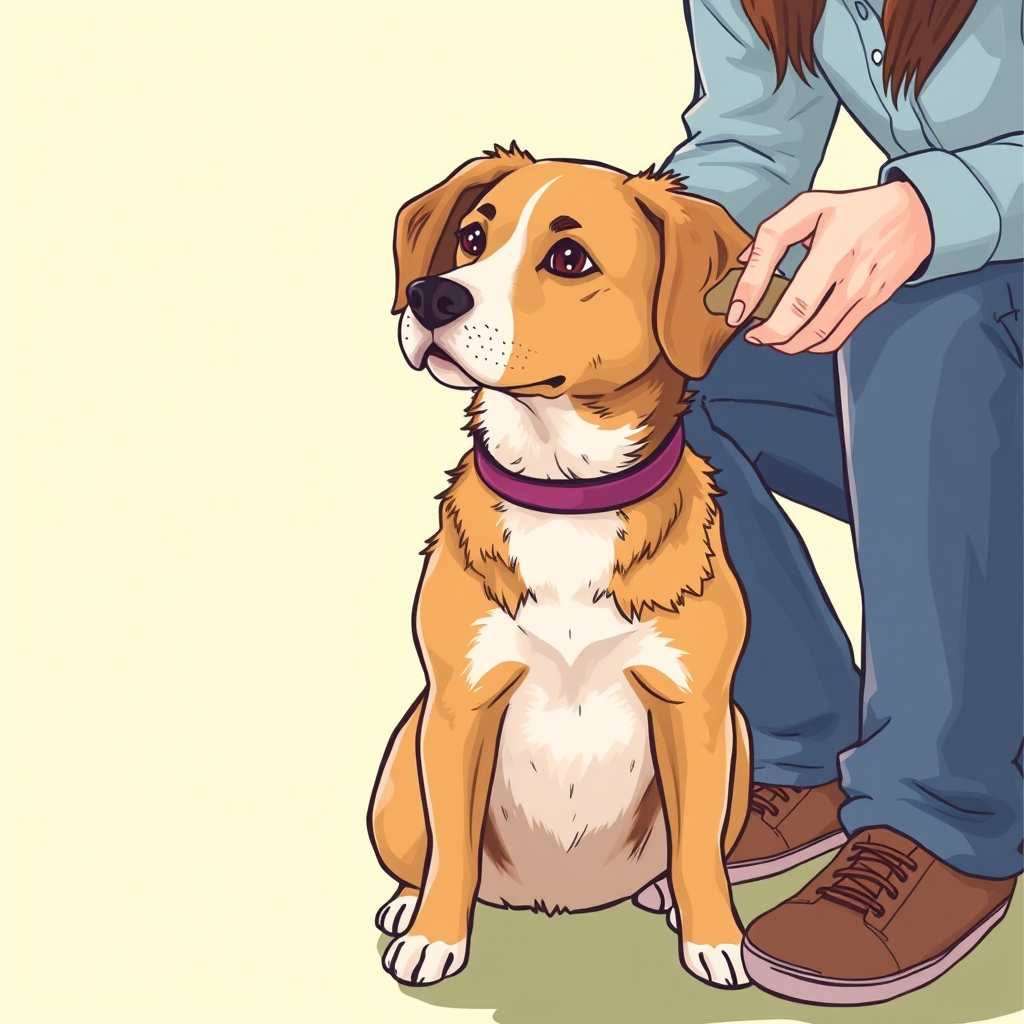
Teaching your dog to sit is the foundation of obedience. It helps control your dog in different situations and sets the stage for learning other commands.
Dog Training Tip: Use a treat and move it above the dog’s head while saying “Sit.” Reward immediately when your dog sits.
2. Stay
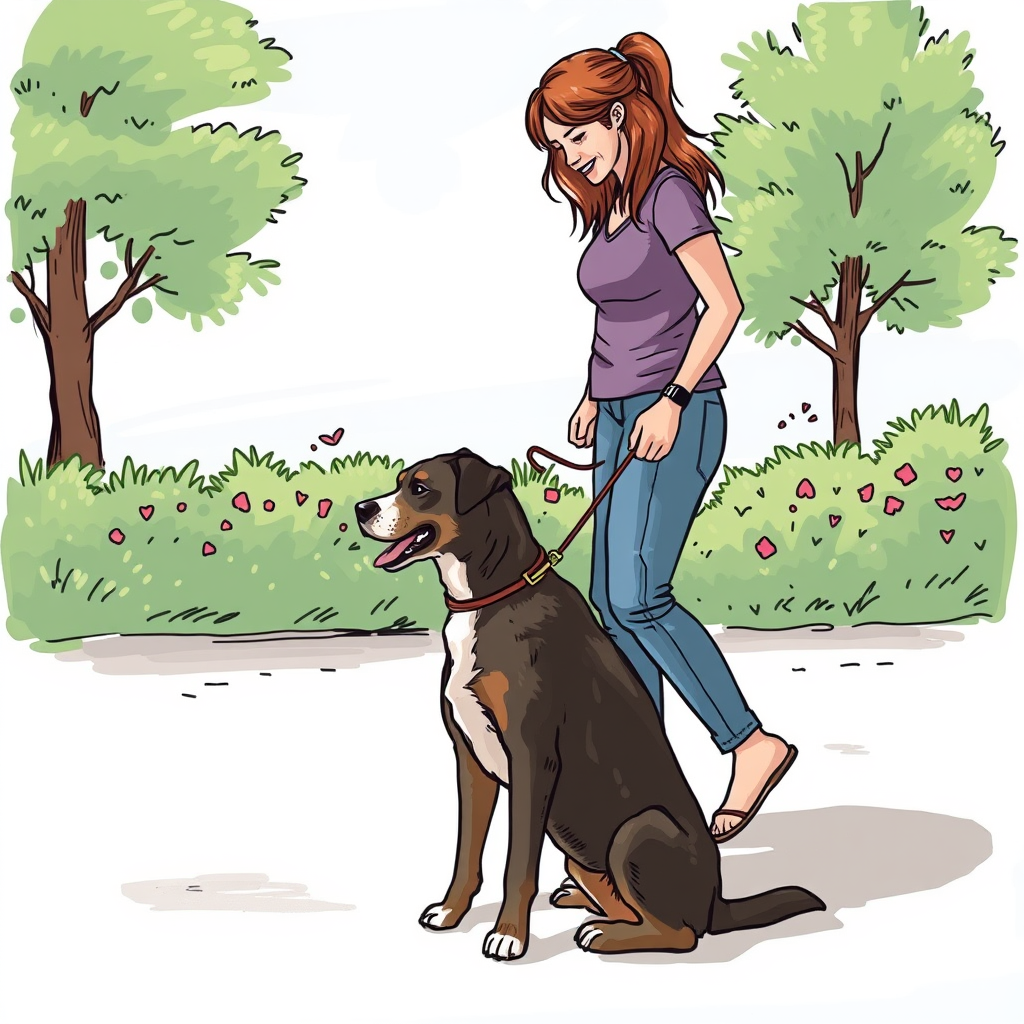
“Stay” teaches your dog patience and self-control. This command is essential for safety and discipline. Start with a few seconds and gradually increase the duration.
Dog Training Tip: Always release your dog with a word like “Okay” or “Release” so they know the command has ended.
3. Come
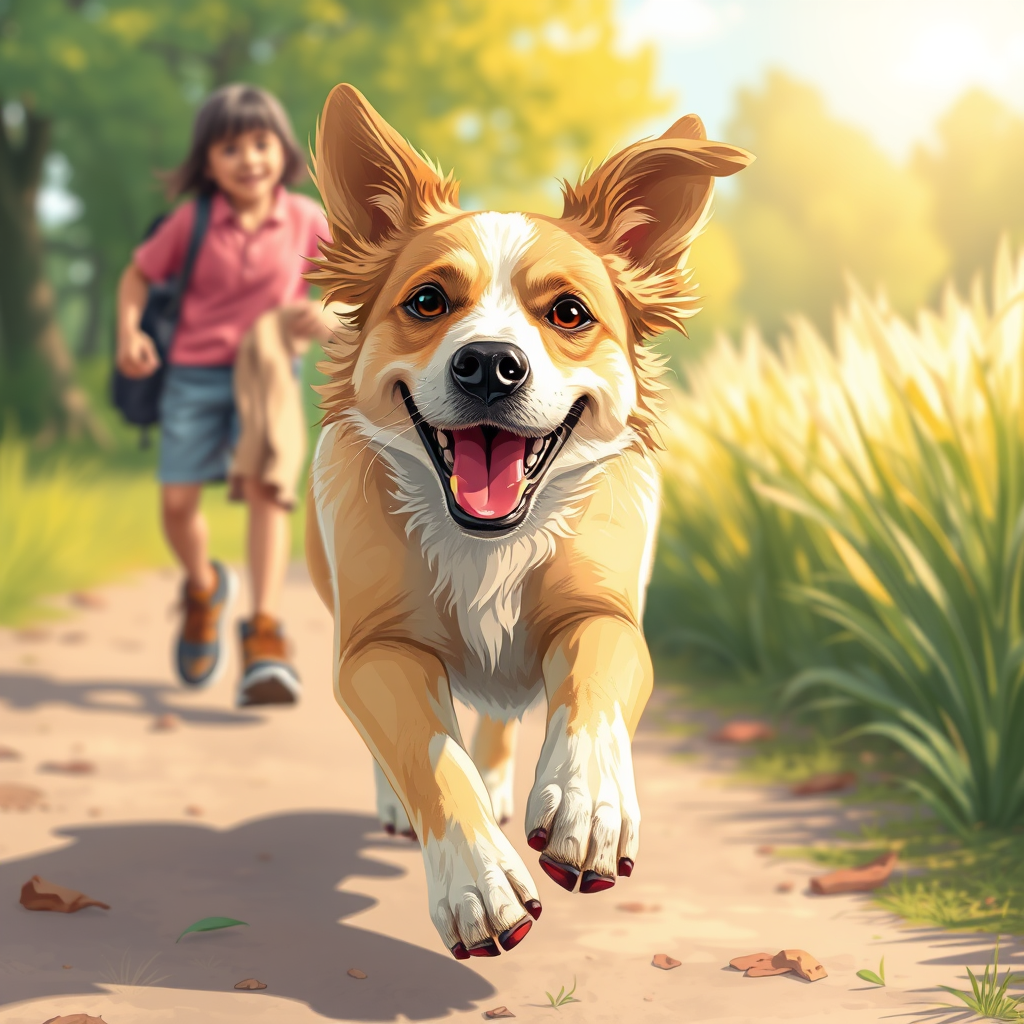
The “Come” command is crucial for safety, especially in outdoor settings. A dog that responds reliably will return to you promptly when called.
Dog Training Tip: Use an enthusiastic tone and reward your dog with treats or praise every time they come to you.
4. Leave It
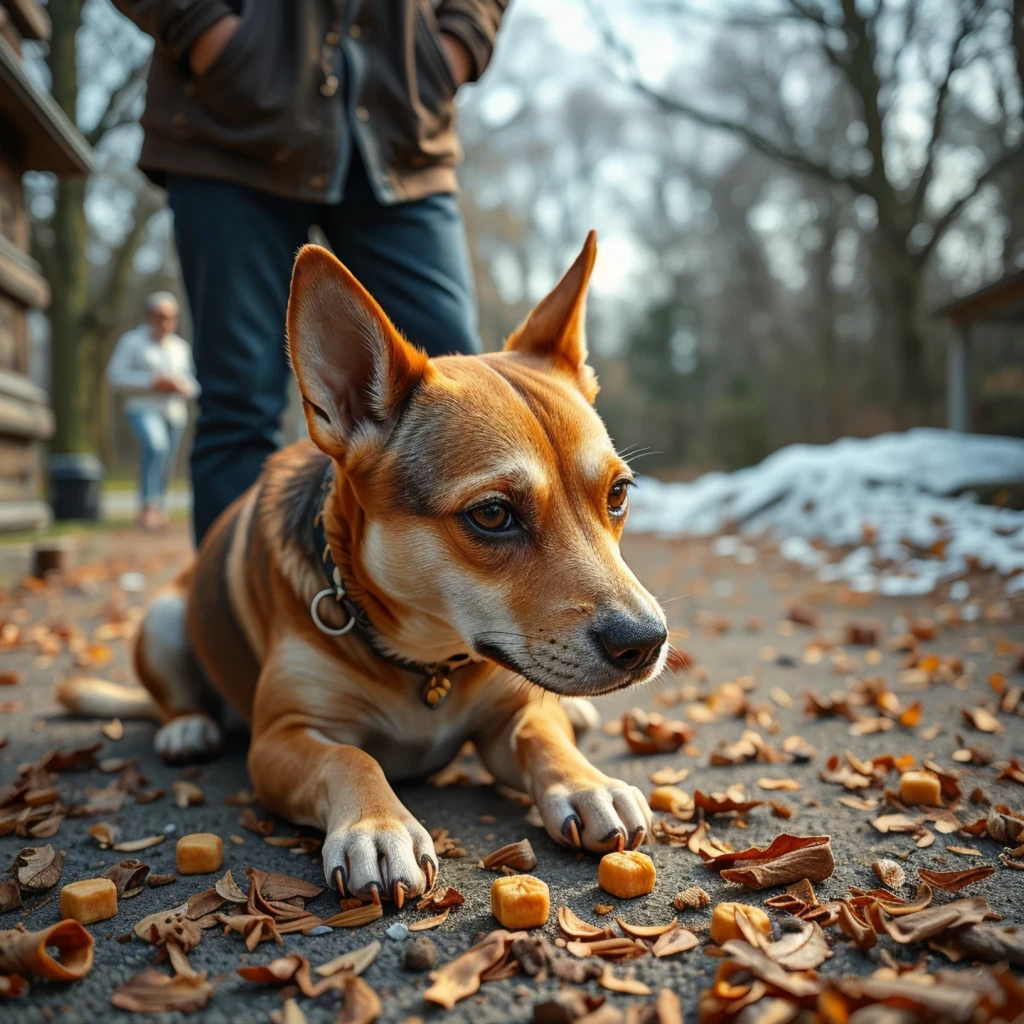
This command prevents your dog from picking up dangerous or unwanted objects. It’s also useful to curb bad habits like chewing shoes or eating things off the ground.
Dog Training Tip: Hold a treat in your closed hand and say “Leave it.” Reward when the dog stops trying to get it.
5. Down
“Down” teaches your dog to lie calmly on the ground. This helps manage hyperactivity and creates a sense of calm during stressful situations.
Dog Training Tip: Lure your dog down with a treat and praise once fully lying down.
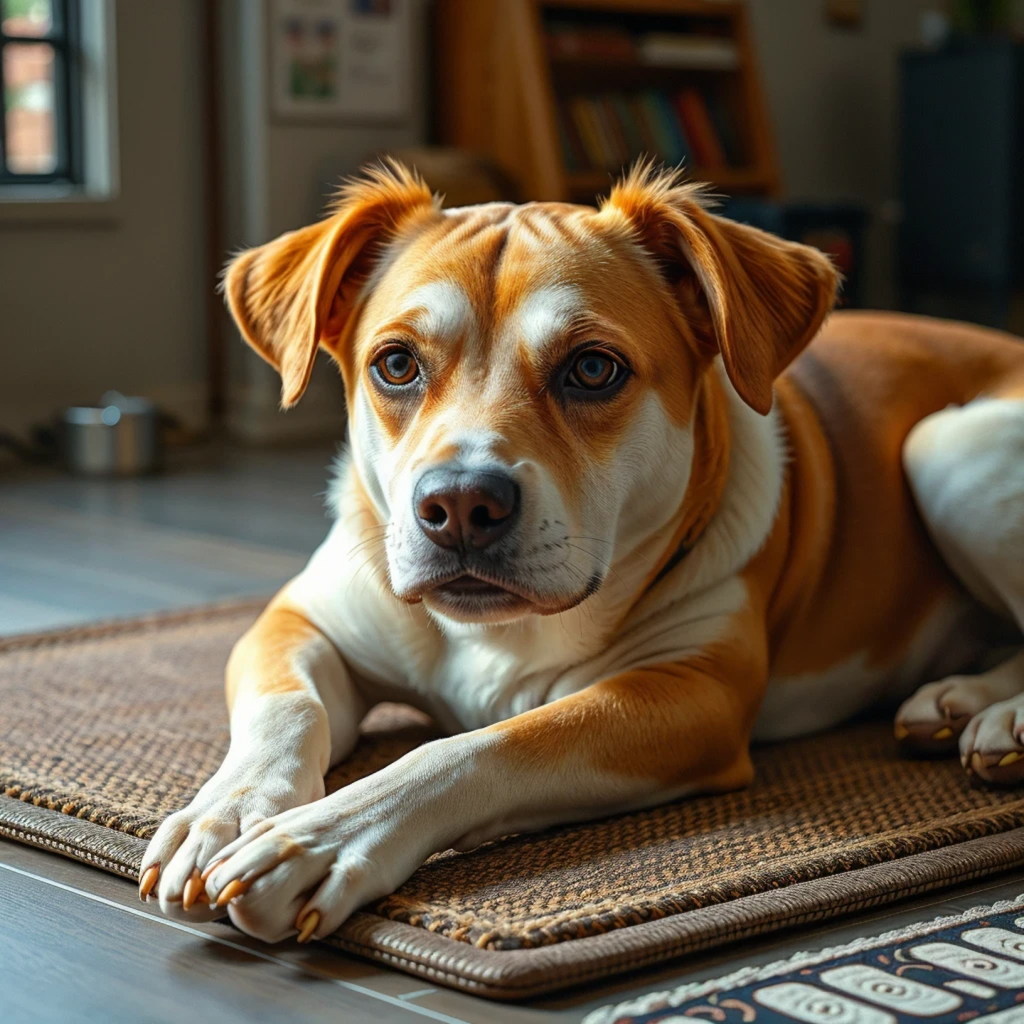
Puppy Training Tips: A Complete Guide
Training your puppy correctly from the start sets the foundation for a well-behaved and confident dog. Puppies are highly impressionable, and early training shapes their habits and personality. Here’s a deep dive into puppy training:
1. Start Early, But Keep it Gentle
- Begin training as soon as you bring your puppy home (ideally 8–16 weeks old).
- Puppies have short attention spans, so keep sessions 5–10 minutes long multiple times a day.
- Avoid overwhelming your puppy; training should be fun, positive, and rewarding.
2. Socialization is Key
- Expose your puppy to different people, other dogs, and various environments.
- Socialization helps reduce fear and anxiety later in life.
- Introduce new experiences gradually, ensuring your puppy feels safe and confident.
3. Housebreaking
- Establish a consistent routine for potty breaks (morning, after meals, before bedtime).
- Choose a specific spot outside for your puppy to eliminate.
- Reward immediately with praise or a small treat when they go in the right place.
- Be patient — accidents are normal and should be corrected without punishment.
4. Positive Reinforcement
- Reward good behavior with treats, praise, or playtime.
- Ignore minor mistakes instead of punishing your puppy.
- Positive reinforcement strengthens trust and makes learning enjoyable.
5. Teach Basic Commands Early
- Start with simple commands: Sit, Stay, Come, and Leave It.
- Use treats, toys, and lots of praise.
- Practice consistently in different environments to generalize behavior.
Tip: Keep sessions short but frequent. Repetition builds memory.
6. Crate Training
- A crate provides a safe space and helps with housebreaking.
- Introduce gradually; never use it as punishment.
- Make the crate cozy with bedding and toys, and let your puppy enter voluntarily.
Tip: Start with short periods in the crate, then gradually extend the time.
7. Bite Inhibition
- Puppies naturally bite, but they need to learn limits.
- If your puppy nips, redirect to a toy and stop play briefly if biting continues.
- Praise gentle play and discourage hard bites consistently.
8. Consistency and Patience
- All family members must use the same commands and rules.
- Avoid confusing your puppy with mixed signals.
- Training takes time — celebrate small successes and be patient.
- Observe your dog to understand triggers for unwanted behaviors.
- Adult dogs can learn new skills and correct old habits.
- Use positive reinforcement: reward good behavior immediately.
- Avoid punishment; it can increase fear or aggression.
- Manage excessive barking with a “Quiet” command and rewards.
- Redirect destructive chewing to appropriate toys.
- Address fearfulness or aggression with gradual desensitization.
- Correct leash pulling by stopping walks and rewarding calm walking.
- Consistency from all family members is key for learning.
- Mental stimulation prevents boredom and behavioral issues.
- Puzzle toys, training games, and obedience drills are helpful.
- Celebrate small achievements to keep your dog motivated.
- Patience and structured guidance lead to long-lasting results.
- Observe your dog’s behavior and identify triggers.
- Reward good behavior and ignore minor mistakes.
- Be consistent and patient.
- Provide mental and physical stimulation daily.
Following these simple tips can help your dog develop lifelong positive habits and strengthen your bond.