Ragdolls are affectionate, intelligent, and playful cats. They express their love by greeting their owners, following them around, curling up in laps, and snuggling in bed. With positive reinforcement, Ragdolls can also learn tricks and new behaviors. Their gentle temperament and loving personality make them one of the Best Cat Breeds for families, children, and first-time cat owners.
Gmail - piyushjoshi792006@gmail.com
Contact- +91 8433262451

Menu
Top - 20 Best Cat Breeds
Bengal Cat
Bengal Cat
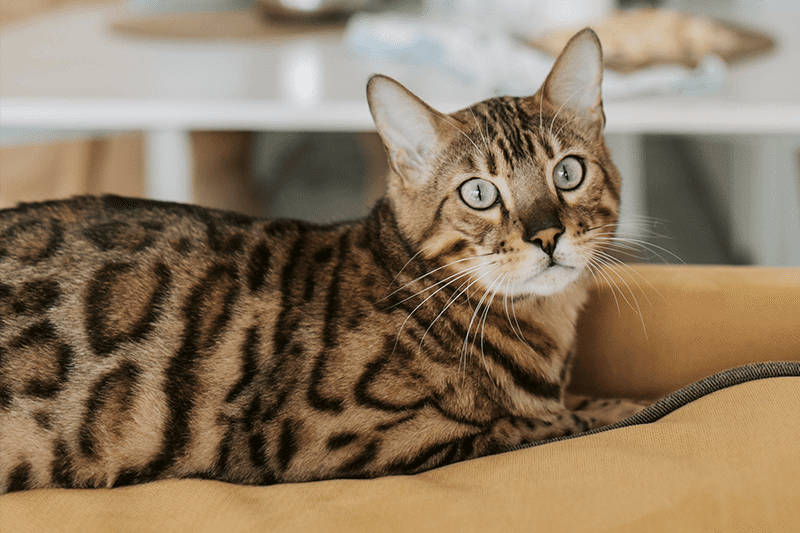
Bengal cats are known for their curious and confident nature, making them one of the best cat breeds for active pet owners. They combine the friendly temperament of a domestic tabby with the striking appearance of the Asian Leopard Cat, which is why they are often listed among the top cat breeds and friendly cat breeds. These cats are highly playful, energetic, and love to explore their surroundings. Learning about their personality, health needs, and proper nutrition can help owners keep their Bengals happy and healthy. At Care of Pet, you can find expert tips and guides to ensure your Bengal receives the best possible care.
Physical Characteristics
- Size:
Medium to large; males weigh about 10–18 pounds, while females usually weigh 6–12 pounds. - Coat:
Short to medium, soft, and dense. - Color:
Ranges from golden orange to light brown with dark spots or marble patterns.
Life of a Bengal Cat
12 to 16 years
Colors
One of the most distinctive features of this feline is its unique coat pattern and color. Most Bengal Cats’ coats have rich, highly contrasted shades of bright orange to light brown, with dark spots or a distinctive marbling pattern. Some even have a “glitter” to the tips of their fur, which glistens when the light hits it.
Health
Responsible breeders try to reduce the risk of genetic and health problems in their cats, but some conditions can still occur.
Bengal cats may sometimes experience distal neuropathy or flat-chested kitten syndrome, which often improve as kittens grow. In later years, they can also be prone to issues such as hip dysplasia, hypertrophic cardiomyopathy, patellar luxation, and progressive retinal atrophy.
Facts
- Bengals are the only domestic cat with rosettes that resemble the markings on leopards, jaguars and ocelots.
- The International Cat Association (TICA) accepted the Bengal for championship status in 1991 and the American Cat Fanciers Association (ACFA) accepted the breed shortly thereafter.
- The ACFA rescinded their acceptance after second-generation felines reportedly caused problems at cat shows. The Bengal was reinstated to ACFA in 1997 with the caveat that any cats shown had to be fifth generation.
Bombay CAT
Bombay
The Bombay cat has a calm and friendly nature, making it one of the best cat breeds for families and first-time pet owners. It is also considered one of the friendly cat breeds because of its affectionate personality. Bombay cats adapt well to both quiet apartments and busy homes with children or other pets, especially when they receive plenty of attention. They are known to be vocal and may often “talk” to their owners. You will usually find them relaxing in the warmest places in the house, such as sunny windows or snuggled under blankets on the bed, which is why they are often featured among the top cat breeds for indoor living.
Physical Characteristics
- Size:
Medium-sized; males usually weigh 8–11 pounds, while females weigh around 6–9 pounds. - Coat:
Short and smooth. - Color:
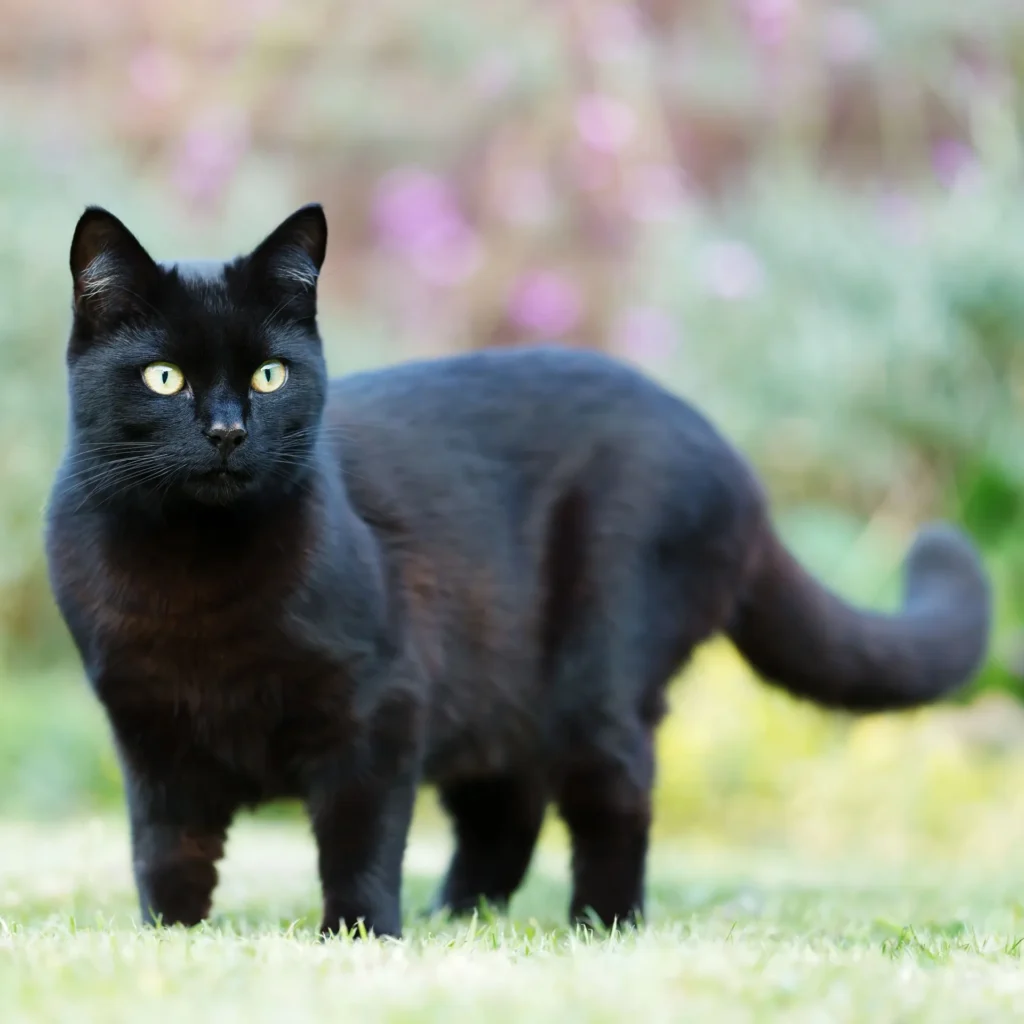
Solid black.
Life of a Bombay Cat
12 to 16 years
Colors
Bombays have a dramatic and deep black coat. The black coat is dominant, but occasionally a litter produces a sable-colored kitten, and some associations permit these kittens to be registered as Burmese. Bombay eye color ranges from gold to copper.
Health
Bombay cats can be at risk for a genetic condition called a craniofacial defect, which may sometimes appear in newborn kittens. Responsible breeders try to prevent this by carefully selecting healthy breeding cats. They may also be somewhat prone to hypertrophic cardiomyopathy, watery eyes, and breathing problems because of their flat facial features.
Facts
- The Bombay was bred to resemble the black leopard found in India. Horner named the breed for the exotic port city where this wild feline is found.
- Many Bombays are entirely black, including their paw pads, which isn’t a common trait in other black cats.
Maine Coon Cat
Maine Coon
Maine Coon cats are known for their gentle and friendly personality, which makes them great companions. They are playful and curious, often keeping a kitten-like attitude even as they grow older. Because of their affectionate nature and intelligence, Maine Coons are widely recognized as one of the Top Cat Breeds for families and pet lovers.
Physical Characteristics
- Size:Large, with males weighing from 12 to 15 pounds and females weighing from 9 to 12 pounds
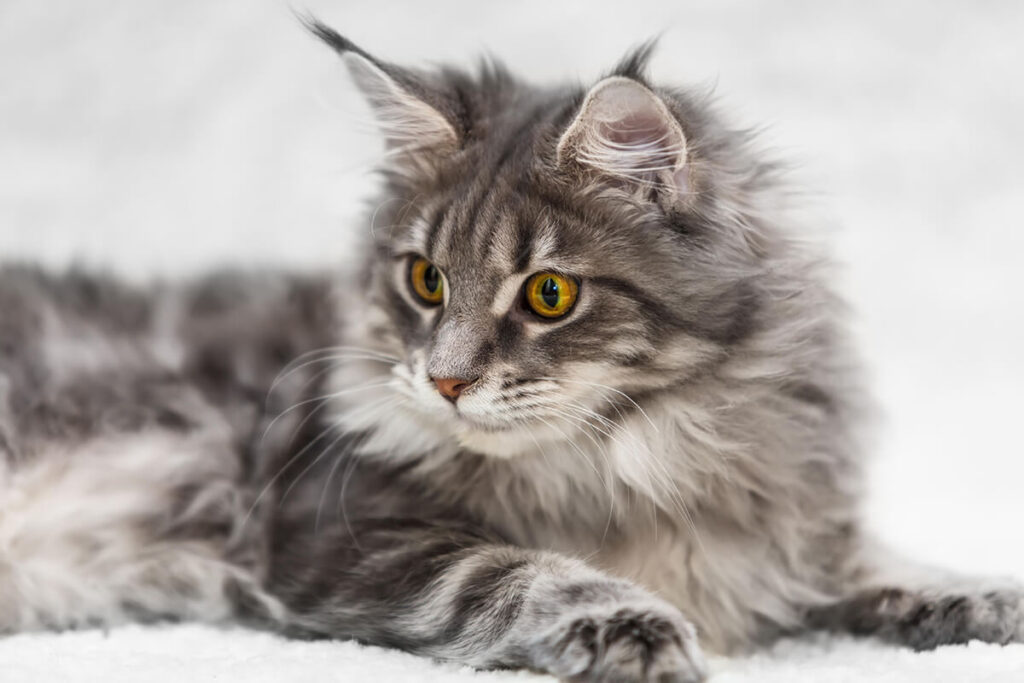
- Coat:Shorter on the shoulders and longer on the stomach, smooth, shaggy
- Color:Most commonly brown tabby, but other colors and patterns are possible
Life of a Maine Coon Cat
10 to 13 years
Colors
The most common color of Maine Coon cats is brown tabby, but they can appear in many different colors and patterns. Their eye color also varies, including blue, green, or gold, and some may even have odd eyes, where each eye is a different color.
Health
Maine Coon cats are generally a robust and hardy breed, originally adapted to withstand cold New England winters. Larger males are more likely than females to experience hip dysplasia.
They can also be affected by spinal muscular atrophy, a condition that causes muscle weakness and usually appears early in kittenhood. Additionally, Maine Coons have a higher risk of developing hypertrophic cardiomyopathy compared to many other breeds.
Facts
- In 1985, the Maine Coon was officially recognized as the state cat of Maine.
- A Maine Coon also won the very first cat show in North America, held at Madison Square Garden in 1895.
Despite its name, the Maine Coon is not related to raccoons.
Persian Cat
Persian cat
The Persian cat is a calm and gentle breed that thrives in a peaceful environment. While she enjoys being petted and sitting on her owner’s lap, she’s equally content watching the household from a distance. Persians tend to be independent and selective about who they show their affection to. Their gentle temperament and loving nature make them one of the Best Cat Breeds and Friendly Cat Breeds for people looking for a calm and affectionate companion.
Physical Characteristics
- Size: Medium to large; males 9–14 lbs, females 7–11 lbs.
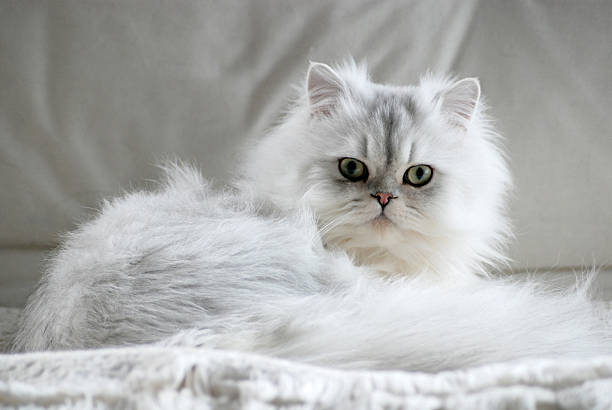
- Coat: Long and glossy.
- Color: White, blue, black, red, cream, chocolate, or lilac.
Life of a Persian Cat
12 to 20 years
Colors
The original Persian cats had sleek gray fur, but selective breeding has created a wide variety of colors today. In competitions, Persians are grouped into seven coat color categories, ranging from silver and gold to white, smoky, and solid shades.
Their eye color usually matches their coat: white Persians often have deep blue or copper eyes, silver and golden Persians typically have green eyes, and solid-colored Persians usually have copper-colored eyes.
Health
The Persian’s flat-faced structure can make her prone to several health issues, such as:
Breathing difficulties
Misaligned teeth
Eye problems, including excessive tearing and entropion
Sensitivity to heat.
Facts
- Modern Persian Cats are available in over 80 different color combinations.
- The Persian participated in the first modern cat show, which took place in London in 1871.
- There was a push in the U.S. to make the Silver Persian its own breed called “Sterling”. This was rejected, however, and silver and goldens are considered within the Persian category at cat shows.
Siamese Cat
Siamese Cat
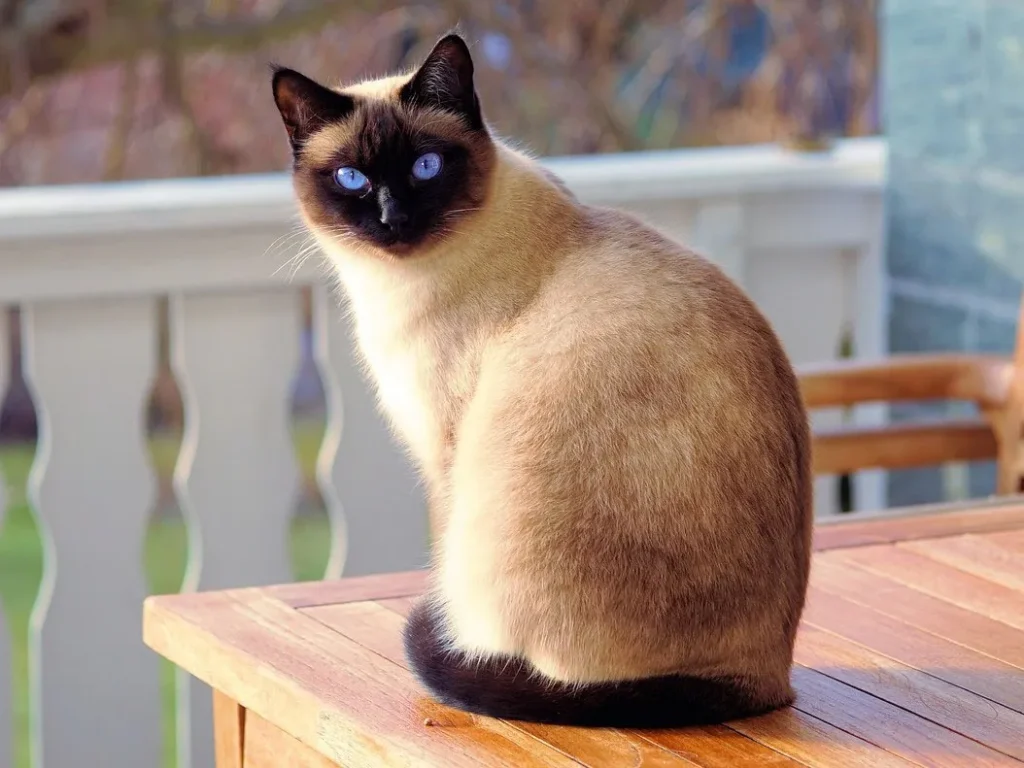
Siamese cats are highly social, intelligent, and talkative—they often “chat” with anyone around. They get along well with other cats, dogs, and children, and enjoy having a companion to play with during the day. While they are energetic and curious, they also love curling up on their owner’s lap or snuggling beside them in bed. Because of their affectionate personality and intelligence, Siamese cats are consistently ranked among the Top Cat Breeds for families and active pet owners.
Physical Characteristics
- Size: Medium; males 11–15 lbs, females 8–12 lbs.
- Coat: Short, smooth, and shiny.
- Color: Seal point, chocolate point, blue point, or lilac point.
Life of a Siamese Cat
11 to 15 years
Colors
Siamese cats are easily recognized by their striking point coloration, where the ears, paws, and tail are darker than the rest of the body. These points can be brown, chocolate, blue-gray, or lilac, and may also appear in tabby or other patterns. Their body color is typically lighter, ranging from ivory and cream to glacial white.
Health
The Siamese cat’s distinctive head shape can make them more prone to breathing issues and dental problems. Some cats may have harmless physical traits, like crossed eyes or a kinked tail, which usually don’t need treatment. As they age, they can be at risk for eye conditions such as retinal atrophy or glaucoma, as well as heart problems and bladder stones.
Facts
The Siamese is one of the oldest pedigreed cat breeds.
Legend says that when a Siamese royal died, their soul would enter a Siamese cat, which then lived in a temple in luxury.
Siamese cats have appeared in popular films such as The Aristocats and Lady and the Tramp.
Himalayan Cat
Himalayan Cat
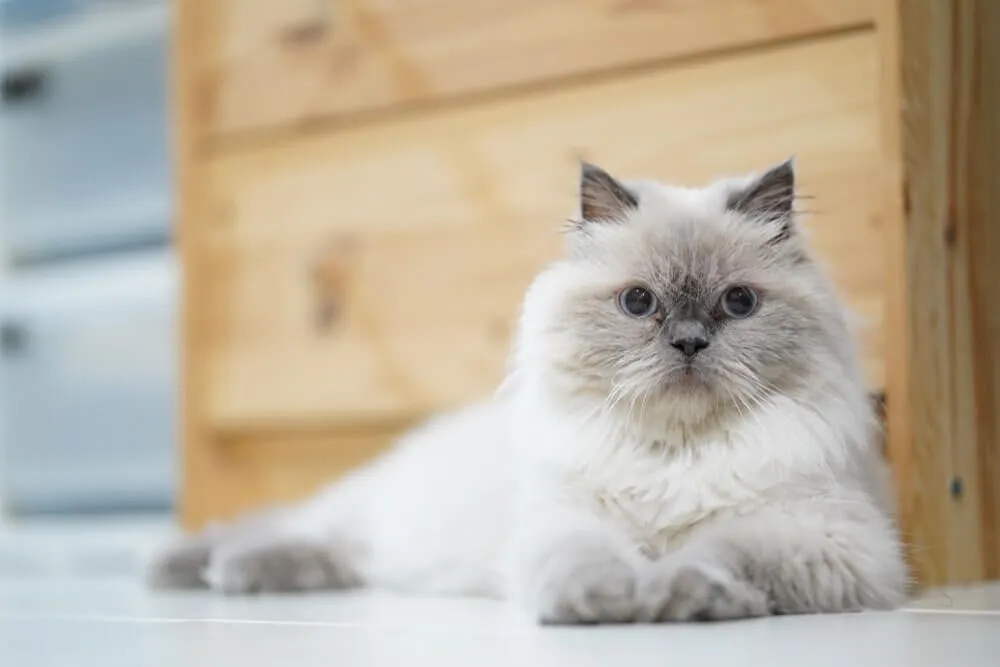
The Himalayan cat is gentle and affectionate, though selective with her attention. She enjoys sitting in your lap and being petted but can be shy around strangers. Calm, stable environments with minimal daily changes suit her best. Because of their calm temperament and loving nature, Himalayan cats are considered one of the Best Cat Breeds and are often featured among the Top Cat Breeds for families and indoor pet owners.
Physical Characteristics
- Size: Medium to large; males 9–14 lbs, females 7–11 lbs.
- Coat: Long and soft.
- Color: Light-colored body ranging from white to fawn with point colors including chocolate, seal, lilac, blue, red, cream, as well as combinations like tortie, lynx, and cream blends.
Life of a Himalayan Cat
9 to 15 years
Colors
The Himalayan has a pale-colored body with darker points on the face, ears, and tail, similar to the Siamese. They appear in many point colors, including chocolate, lilac, red, and more. Unlike their Persian ancestors, Himalayans always have blue eyes, inherited from their Siamese lineage.
Health
Himalayan cats can face some health challenges, especially due to their flat faces and long coats. Common concerns include:
Difficulty breathing
Misaligned or crowded teeth
Eye problems, such as excessive tearing, inward-turning eyelids (entropion), or progressive retinal degeneration
Other health risks for the breed may include:
Feline hyperesthesia syndrome (sensitive skin reactions)
Sensitivity to heat
Polycystic kidney disease
Skin infections like ringworm, which can be harder to prevent because of their thick fur
Seborrhea oleosa, causing red, itchy skin
Facts
The first Himalayan kitten was called “Newton’s Debutante.”
Himalayans are among the most popular pedigreed cats.
This breed was created through selective breeding.
Abyssinian Cat
Abyssinian
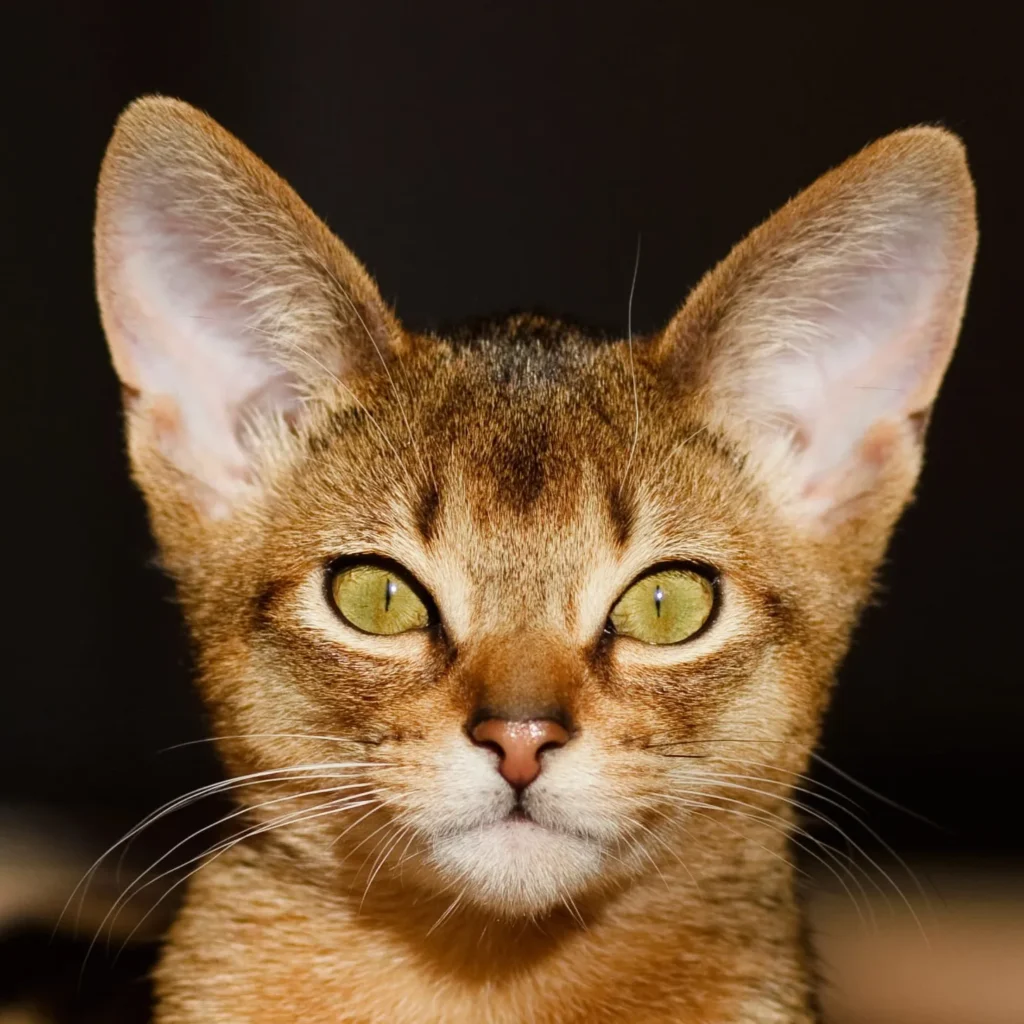
Abyssinian cats are extremely smart and naturally curious. They love exploring every corner of their environment and are often called “Aby-grabbies” for their habit of picking up anything that catches their attention. Energetic and playful, they enjoy jumping and climbing, so it’s best to provide plenty of toys—especially puzzle toys that stimulate their minds. Their intelligence, energy, and playful personality make Abyssinians one of the Best Cat Breeds for active and experienced pet owners.
Physical Characteristics
- Size: Small to medium; males 7–10 lbs, females 6–8 lbs.
- Coat: Short to medium, sleek.
- Color: Ruddy, red, blue, or fawn.
Life of a Abyssinian Cat
9 to 15 years
Colors
Abyssinians are known for their ticked coat, where each hair has alternating light and dark bands. This gives their fur a warm, glowing appearance similar to wild cats. Their coats are typically found in ruddy, red, blue, and fawn, though some cat associations recognize additional colors as well.
Health
Even with careful breeding, Abyssinians can be prone to certain health issues. Common concerns for the breed include:
Early-onset dental disease
Feline hyperesthesia syndrome
Patellar luxation (knee joint issues)
Progressive retinal atrophy (vision loss)
Pyruvate kinase deficiency (a blood disorder)
Renal amyloidosis (kidney problems)
Facts
Abyssinians are sometimes called “Cats from the Blue Nile”, thought to be sacred cats of the Egyptian Pharaohs.
Some believe the breed originated in Britain by crossing silver and brown tabbies with “ticked” coats.
The Somali cat is essentially a long-haired version of the Abyssinian.
Sphynx Cat
Sphynx
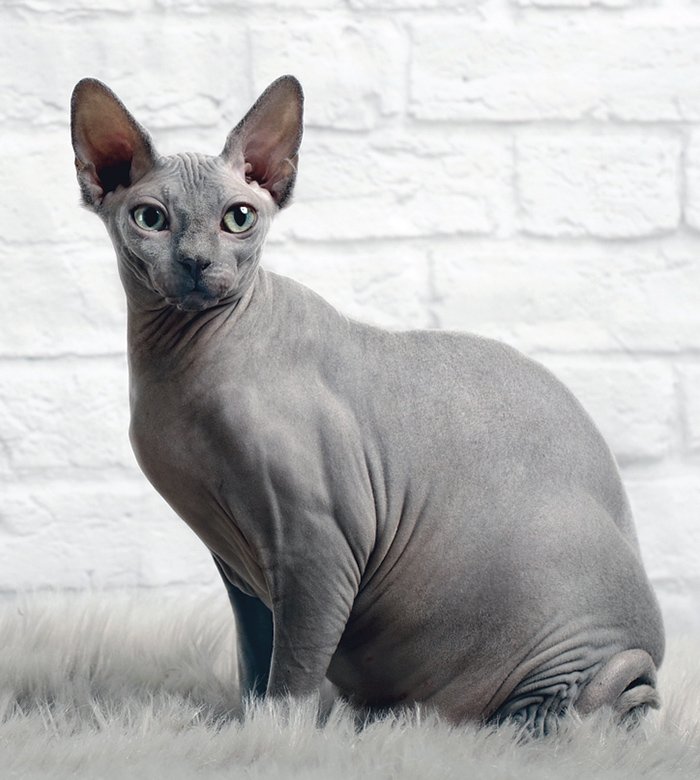
The hairless Sphynx is a muscular cat with large ears, striking wide eyes, and a friendly, affectionate personality. Because of its social nature and love for human companionship, the Sphynx is considered one of the Friendly Cat Breeds. It is also recognized as one of the Best Cat Breeds and is frequently featured among the Top Cat Breeds for pet lovers. At Care of Pet, we recommend providing regular skin care, proper nutrition, and plenty of affection to keep your Sphynx healthy and happy.
Physical Characteristics
- Size: Medium
Weight: Males 8–12 lbs, females 6–9 lbs - Coat: Hairless, though some may have a fine peach-fuzz-like down
- Color: Can appear in white, black, blue, red, cream, chocolate, lavender, cinnamon, fawn, and a variety of patterns and shades.
Life of a Sphynx Cat
8 to 15 years
Colors
Sphynx cats come in a wide range of colors, including white, black, blue, red, cream, chocolate, lavender, cinnamon, and fawn, along with various patterns and markings.
Health
Although mostly hairless, some Sphynx cats have a fine layer of down. Without a full coat to absorb skin oils, they need regular baths every few weeks using a gentle, natural shampoo. This helps keep their soft, suede-like skin from becoming greasy or developing issues. Additionally, Sphynx cats require protection from sun exposure and cold temperatures to keep their skin healthy.
Facts
Sphynx cats are not hypoallergenic, even though they are hairless.
They produce Fel d 1, the protein responsible for most cat allergies, through their skin and saliva.
Their friendly and affectionate nature makes them great therapy cats and loving companions.
American Bobtail cat
American Bobtail
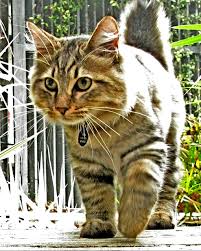
The American Bobtail is a muscular, active breed with a bobbed tail, often resembling a wildcat, and is known for its playful, dog-like behavior. Its intelligence, adaptability, and affectionate nature make it one of the Best Cat Breeds and a popular choice among the Top Cat Breeds for active families and pet lovers.
Physical Characteristics
- Size: Medium to large
- Weight: Males 12–16
- lbs, females 7–11 lbs
- Coat: Short, medium, or long
- Color: Available in white, black, blue, red, cream, chocolate, lavender, cinnamon, fawn, as well as a variety of patterns and markings.
Life of a American Bobtail Cat
13 to 15 years
Colors
The American Bobtail’s coat appears in a wide range of colors and patterns, including black, brown, chocolate, cinnamon, blue, lilac, fawn, red, and cream, with some cats also having white markings.
Health
American Bobtails are generally a robust and healthy breed, with few known genetic health issues. However, they can sometimes develop hip dysplasia, and those with very short or tailless tails may experience spinal problems that can affect bowel control.
Facts
The American Bobtail has a naturally short tail, usually 1–4 inches long, visible above the back when the cat is alert, with each tail being unique.
They make excellent therapy cats due to their friendly nature.
Bobtails mature slowly, often taking 2–3 years to reach full adult size.
Birman Cat
Birman
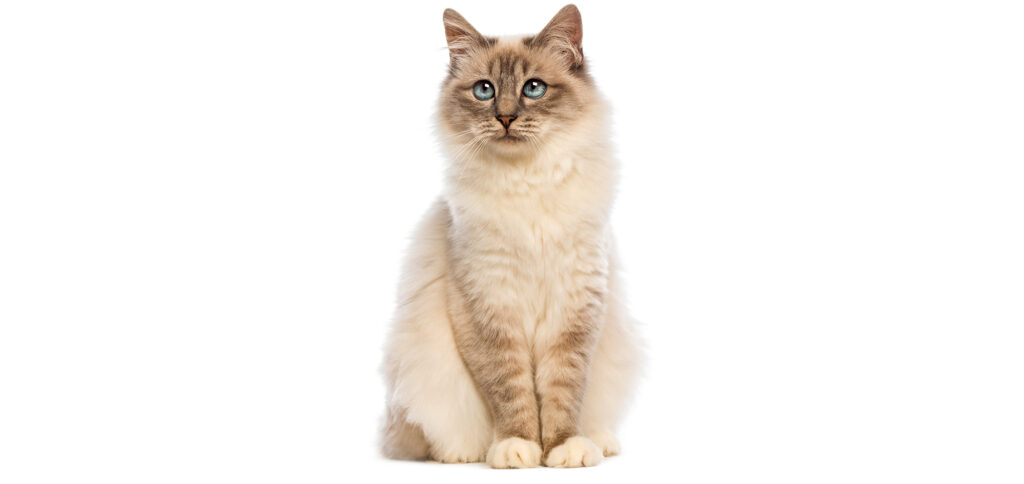
The Birman is a striking and elegant breed, known for its luxurious pointed coat, “white-gloved” paws, and captivating blue eyes. With their exotic heritage, Birmans have a charm and presence that make them truly unforgettable. Their gentle temperament and affectionate personality make them one of the Best Cat Breeds for families and cat lovers.
Physical Characteristics
- Size: Medium to large
- Weight: Males 9–15 lbs, females 6–10 lbs
- Coat: Medium to long
- Color: Seal point, blue point, chocolate point, or lilac poin
Life of a Birman Cat
12 to 16 years
Colors
Birman cats have pointed coats that can appear in seal, blue, chocolate, lilac, or tortie point colors.
Health
Birmans are typically healthy cats, particularly when obtained from a reputable breeder. Like many breeds, they can be prone to hypertrophic cardiomyopathy, the most common heart disease in cats. Responsible breeders screen for this condition, though it may not appear until the cat is older.
Facts
The Birman is a cat of mystery and legend, historically regarded as a sacred companion to the priests of Burmese temples.
Like other color-point breeds, Birman kittens are born all white and gradually develop their points as they grow.
Birmans mature slowly, typically reaching full adult size around 3 years of age.
Oriental Cat
Oriental
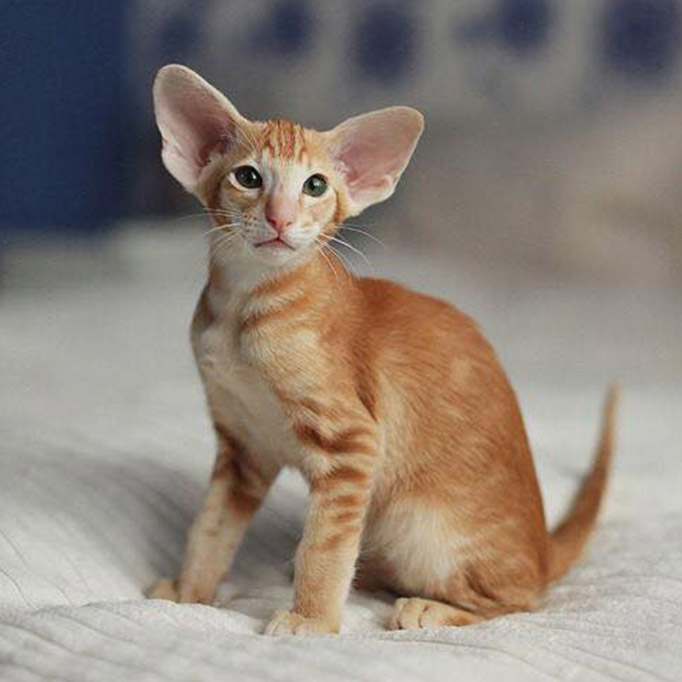
The Oriental is a slender, graceful cat with large, flared ears and striking almond-shaped eyes, closely related to the Siamese breed. Its elegant appearance, intelligence, and affectionate nature make it one of the Best Cat Breeds and a favorite among the Top Cat Breeds for cat enthusiasts around the world.
Physical Characteristics
- Size: Small to medium
- Weight: Males 7–10 lbs, females 5–8 lbs
- Coat: Short or long
- Color: Comes in blue, chestnut, cinnamon, cream, ebony, fawn, lavender, red, and white, along with a variety of patterns and markings
Life of a Oriental Cat
8 to 15 years
Colors
Oriental Shorthairs and Longhairs come in a wide variety of colors and patterns, including solids, tabbies, silvers, smokes, and particolors. According to the Cat Fanciers’ Association (CFA), there are currently over 600 possible combinations of color, pattern, and coat length for this breed.
Health
Oriental cats are typically a healthy breed, but being related to the Siamese, they can be susceptible to certain conditions. These may include an inherited neurological defect that can cause crossed eyes, hereditary liver amyloidosis, and dilated cardiomyopathy, which weakens the heart’s ability to pump. They may also be prone to bladder stones and mast cell cancer.
Facts
The Oriental breed comes in two coat types: shorthair and longhair, and both can appear in the same litter. The Oriental Longhair actually has a medium-length coat and is considered a rare variety.
Ragdoll Cat
Ragdoll
Physical Characteristics
- Size: Medium, typically 10–15 lbs
- Coat: Semi-long, soft, and silky
- Color: Available in seal, blue, chocolate, lilac, red, and cream, with patterns such as bi-color, van, colorpoint, and mitted, plus various shadings
Life of a Oriental Cat
12 to 17 years
Colors
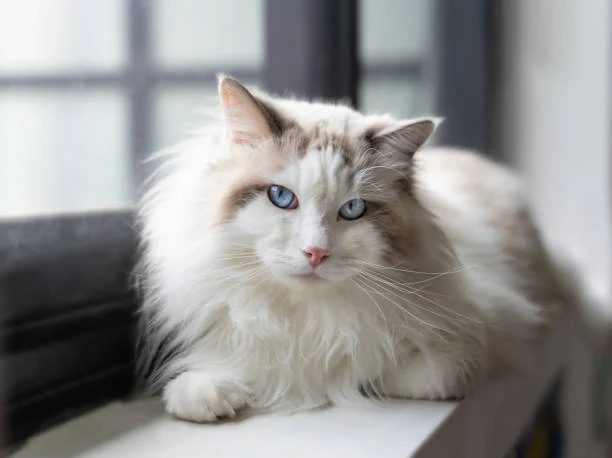
Ragdolls feature pointed coloring like the Himalayan or Siamese, with lighter bodies and darker ears, face, paws, and tail. Their colors range from seal, blue, chocolate, cinnamon, and more, creating countless combinations of shades and patterns. They are also known for their striking blue eyes.
Health
Even with careful breeding and DNA testing, Ragdoll cats can be prone to certain health issues. Common concerns include bladder stones, hypertrophic cardiomyopathy (HCM)—a heart condition—and a higher susceptibility to feline infectious peritonitis (FIP). Regular veterinary checkups and proper care can help keep your Ragdoll healthy and happy.
Facts
Ragdolls are a purebred breed, not crossbred with any other cats.
They get their name from their tendency to go limp and relaxed when held, like a “ragdoll.”
The breed was developed by Ann Baker, who made unusual claims about the Ragdoll’s origin, including ideas involving aliens, CIA experiments, and human gene influences.
Scottish Fold Cat
Scottish Fold
The Scottish Fold is an intelligent and affectionate cat that enjoys puzzle toys and interactive play to keep her mind active. She thrives on human attention and loves spending time with her family. Scottish Folds do best when they have companionship, whether from their owners, other cats, or friendly dogs, rather than being left alone for long periods.
Physical Characteristics
- Size: Medium; males 9–13 lbs, females 6–9 lbs
- Coat: Longhair – medium to long; Shorthair – medium-short, dense, and soft
- Color: White, black, blue, red, cream, and silver, along with a variety of patterns and markings
Life of a Scottish Fold Cat
11 to 15 years
Colors
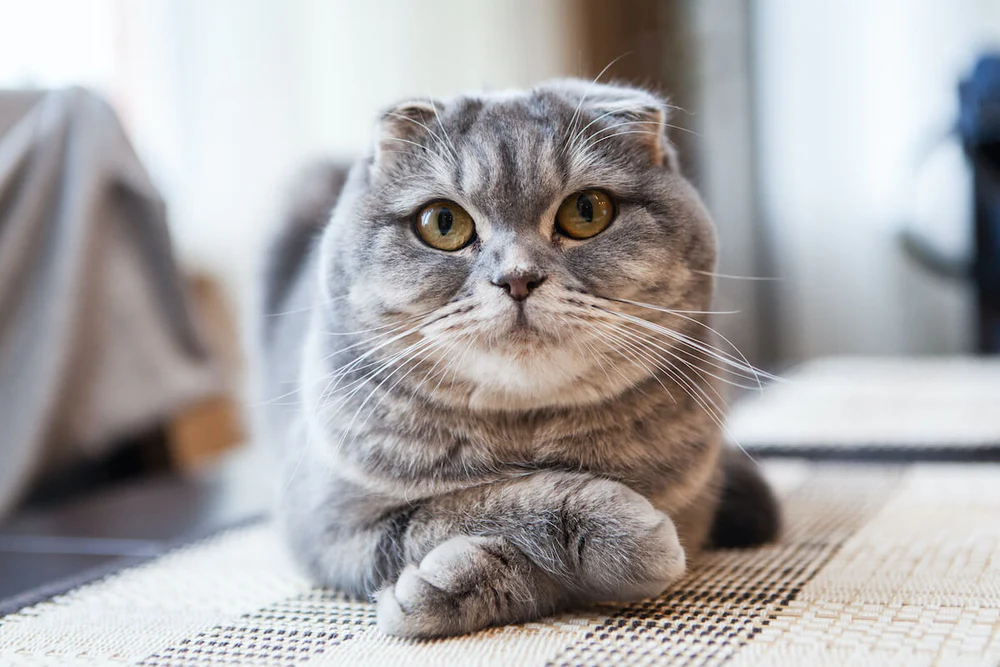
The Scottish Fold has a dense, soft, and plush coat that comes in a wide variety of colors and patterns, including solid and tabby. Their eye color usually matches their coat—for instance, white Folds often have blue eyes, while red or brown tabbies typically have copper-colored eyes.
Health
Even with careful breeding, Scottish Folds can be prone to certain health issues. They may develop degenerative joint disease, especially in the tail, ankles, and knees, as well as hypertrophic cardiomyopathy (a heart condition). Their folded ears also make them more susceptible to ear infections.
Facts
The breed now known as Scottish Fold was first referred to as “lop-eared cats.”
In Scotland, they are not officially recognized due to concerns about ear problems and possible hearing issues.
Kittens are born with straight ears, and the characteristic fold usually develops around three weeks old; about half of the litter will show the folded-ear trait.
For cat shows, only kittens with folded ears are eligible to compete.
Russian Blue Cat
Russian Blue
The Russian Blue cat is a calm and gentle breed known for its quiet nature. It may be a little shy around strangers, but it is very loving and loyal to its owner. Russian Blue cats often follow their owners around the house and enjoy spending time close to them
Physical Characteristics
- Size:
Medium - Weight:
Around 8–15 pounds - Coat:
Short, dense, and soft coat - Color:
Blue-gray coat with silver-tipped fur
Life of a Russian Blue Cat
10 to 15 years
Colors
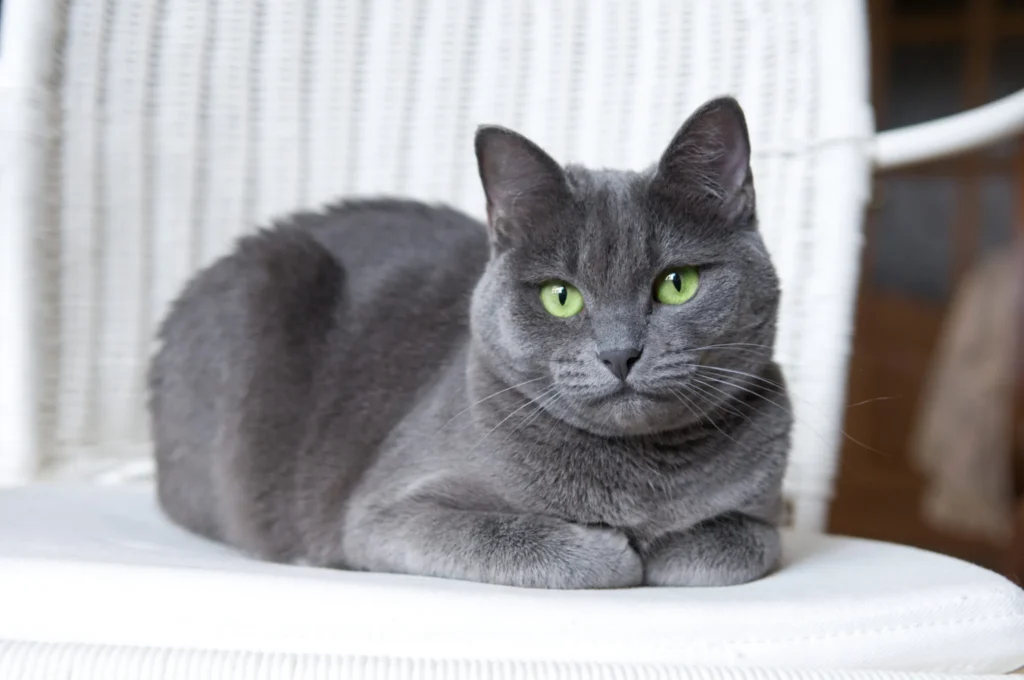
In Russian Blue cats, the gray coat color is officially called “blue” in cat shows. The fur has silver tips, which makes the coat look shiny and gives it a beautiful silvery glow in the light.
Health
The Russian Blue cat is generally a healthy and strong breed. However, they love to eat, so they can gain weight easily if their diet is not controlled. Proper feeding and regular activity help keep a Russian Blue healthy and fit.
Facts
Some Russian Blue kittens are born with light stripes called “ghost stripes,” which usually fade as the cat grows older.
In most cat shows, the Russian Blue is recognized for its beautiful blue-gray coat.
Many people believe the Russian Blue cat breed may have originated from the cats of the Russian Czars.
Russian Blue cats are also called “Archangel Cats” because they are believed to come from the Archangel Isles of Russia.
Manx Cat
Manx
The Manx cat is a friendly and playful breed known for its calm nature. It is very affectionate and enjoys following its owner around the house. Manx cats love to sit on their owner’s lap and spend time with their family, and they often communicate with soft, gentle sounds.
Physical Characteristics
- Size:
Medium to large cat - Weight:
Males: 9–13 pounds
Females: 7–11 pounds - Coat:
Can be short or long, soft and dense - Color:
Comes in many colors such as white, black, blue, red, cream, and silver, with different patterns.
Life of a Manx Cat
8 to 14 years
Colors
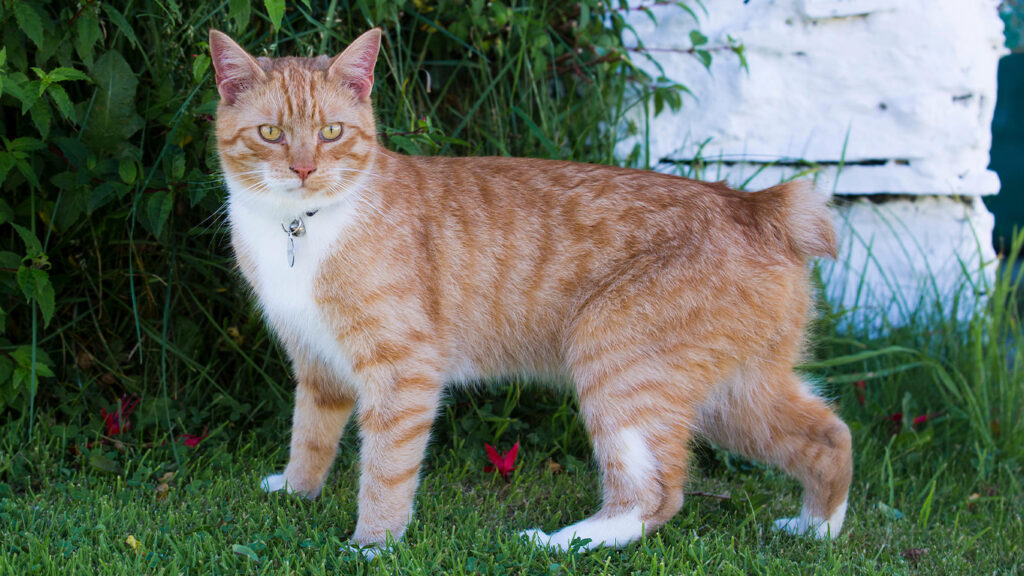
The Manx cat comes in many different colors and patterns, including solid colors, tabby, and calico. However, colors like chocolate, lavender, and the pointed pattern (like in Siamese cats) are not accepted in the breed standard.
Health
The Manx cat is usually a healthy breed, but it can sometimes have certain health problems. Some cats may develop arthritis in the tail area, especially those with a very short tail. They may also experience eye conditions such as corneal dystrophy.
Another condition called Manx syndrome can affect some cats and may cause spine, urinary, or digestive problems. Even though many Manx cats have little or no tail, the area can still be very sensitive, so it should be handled carefully.
Facts
The Manx cat is famous for being a tailless cat breed.
Their missing tail is caused by a natural genetic mutation.
The breed developed on the Isle of Man, where isolation helped strengthen this trait.
In cat shows, only rumpies and risers (cats with very short or no tails) are usually allowed in the show ring.
Norwegian Forest Cat
Norwegian Forest Cat
The Norwegian Forest Cat is a large and strong breed known for its gentle and calm nature. These cats are very active and love climbing to high places in the house. They are affectionate with their family but may be a little shy or reserved around strangers. Their calm temperament, playful nature, and affectionate personality make them one of the Best Cat Breeds for families and cat lovers.
Physical Characteristics
- Size:
Large cat - Weight:
Males: 10–16 pounds
Females: 8–12 pounds - Coat:
Long, thick, and smooth coat - Color:
Comes in many colors such as white, black, blue, red, cream, and silver, with different patterns.
Life of a Norwegian Forest Cat
14 to 16 years
Colors
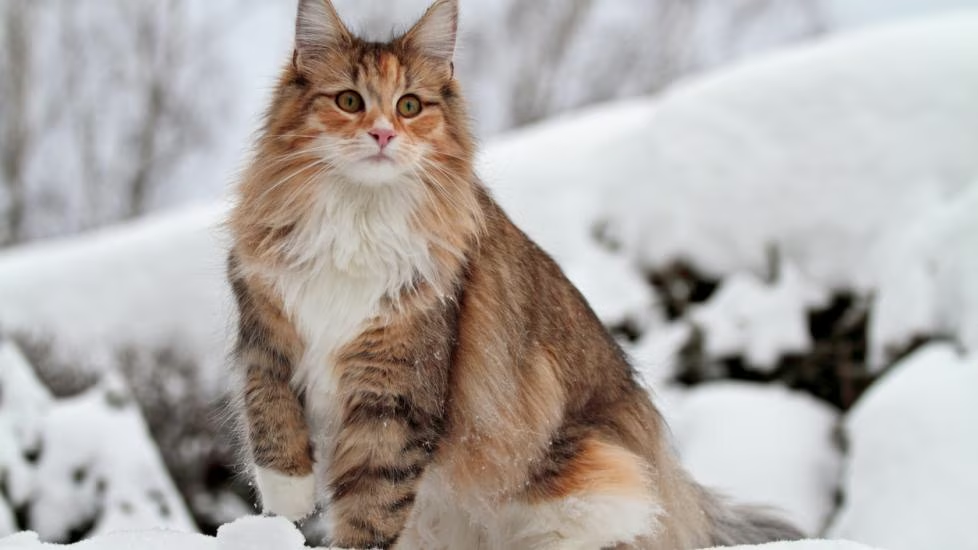
The Norwegian Forest Cat comes in many different coat colors and patterns. However, the color-point pattern (like in Siamese cats) is not found in this breed.
Health
The Norwegian Forest Cat is generally a strong and healthy breed, but it may sometimes be at risk for certain health conditions. These can include hypertrophic cardiomyopathy (a heart disease), polycystic kidney disease, retinal dysplasia, and glycogen storage disease IV.
Regular veterinary checkups, proper nutrition, and good pet care can help keep a Norwegian Forest Cat healthy and active.
Facts
The Norwegian Forest Cat appears in Norse mythology, where the goddess Freya’s chariot was said to be pulled by giant cats.
In Norway, the breed is called “Skogkatt,” which means “forest cat.”
The Norwegian Forest Cat is also popularly known by the nickname “Wegie.”
King Olaf V of Norway declared the Norwegian Forest Cat the national cat of Norway.
American Curl
American Curl
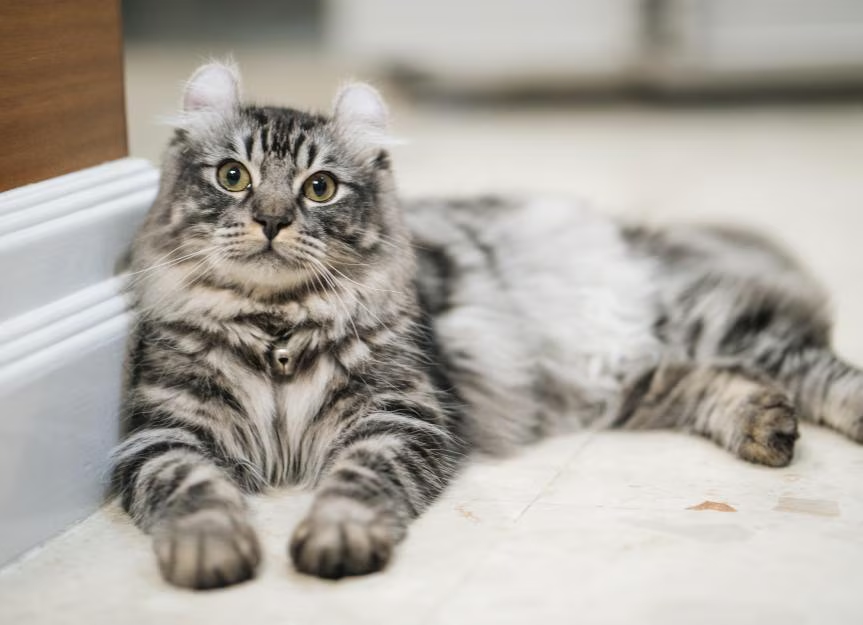
The American Curl cat is known for its unique ears that curl backward, giving it a very special and charming look. This breed has a curious and friendly expression that often makes people smile. American Curl cats are playful, affectionate, and great companions for families, making them one of the Best Cat Breeds for families and cat lovers.
Physical Characteristics
- Size:
Small to medium cat - Weight:
Male: 7–10 pounds
Female: 5–8 pounds - Coat:
Can be short or semi-long, soft and smooth - Color:
Comes in many colors such as white, black, blue, red, cream, chocolate, lilac, silver, and golden, with different patterns.
Life of a American Curl Cat
12 to 16 years
Colors
The American Curl comes in a wide range of coat colors, including brown, white, black, blue, red, cream, chocolate, lilac, silver, and gold, along with different patterns and shades.
Health
The American Curl is typically a healthy breed thanks to its diverse genetic background and does not have any widely known hereditary health problems. However, regular ear checks and cleaning are important to help avoid infections.
Facts
At birth, American Curl kittens have straight ears, but these start curling backward within the first three to five days.
Cornish Rex Cat
Cornish Rex Cat
The Cornish Rex is a distinctive cat breed known for its soft, curly coat and slim body structure. It is highly active, playful, and enjoys interacting with people. This affectionate breed makes an excellent companion for families and individuals alike, making it one of the Best Cat Breeds and a popular choice among the Top Cat Breeds. Its social and loving nature also places it among the Friendly Cat Breeds. For more helpful information about choosing and caring for cats, visit Care of Pet.
Physical Characteristics
- Size: Small to medium (males 6–9 lbs, females 5–7 lbs)
- Coat: Short, soft, and silky
- Colors: White, black, blue, red, cream, chocolate, lavender, silver, smoke, tabby, with various patterns
Life of a Norwegian Forest Cat
12 to 15 years
Colors
The Cornish Rex comes in a wide variety of colors, including white, black, blue, red, cream, chocolate, lavender, silver, smoke, and tabby. Their coats can also feature numerous patterns and shadings, making each cat unique and visually striking.

Health
The Cornish Rex is generally a healthy breed with no major hereditary health issues. However, their thin, delicate coat makes them sensitive to cold, so they need a warm, cozy environment. Regular veterinary check-ups, a balanced diet, and proper dental care help keep them happy and healthy.
Facts
- Known for its soft, curly coat and slender body
- Small to medium-sized (males 6–9 lbs, females 5–7 lbs)
- Very active, playful, and highly social
- Large ears and elegant appearance
- Comes in many colors and patterns
Balinese-Javanese
Balinese-Javanese Cat
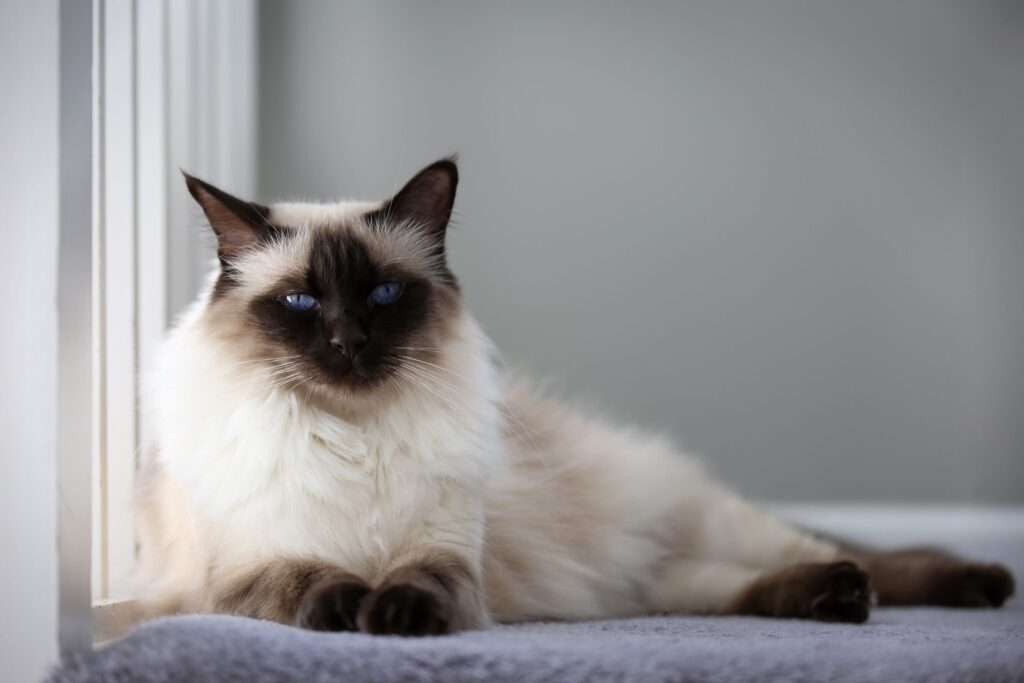
The Balinese, sometimes called Javanese based on its coat color and pattern, has a graceful and elegant appearance while remaining playful and curious at heart.
Physical Characteristics
- Size: Medium
- Weight: Males weigh 12–16 pounds, while females weigh 8–12 pounds
- Coat: Medium-length, soft, and silky
- Color & Patterns:
- Balinese: Seal point, chocolate point, blue point, and lilac point, with various patterns and shadings
- Javanese: Red point, cream point, and seal point, also with different patterns and shadings
Life of a Norwegian Forest Cat
12 to 16 years
Colors
Balinese cats feature classic colorpoint coats, such as red, seal, chocolate, cream, blue, lilac, and tortie points. Javanese cats display lynx points and a wide range of other patterns and shadings, giving each one a unique look.
Health
Balinese and Javanese cats are generally healthy, but they can be prone to certain genetic conditions. These include lysosomal storage disease and feline acromelanism, which can cause coat color changes with temperature. They may also be at risk for Progressive Retinal Atrophy (PRA), strabismus (crossed eyes), and hereditary liver amyloidosis.
Facts
This breed takes its name from the graceful dancers of Bali and is admired for its elegant and refined physique.
Burmese Cat
Burmese Cat
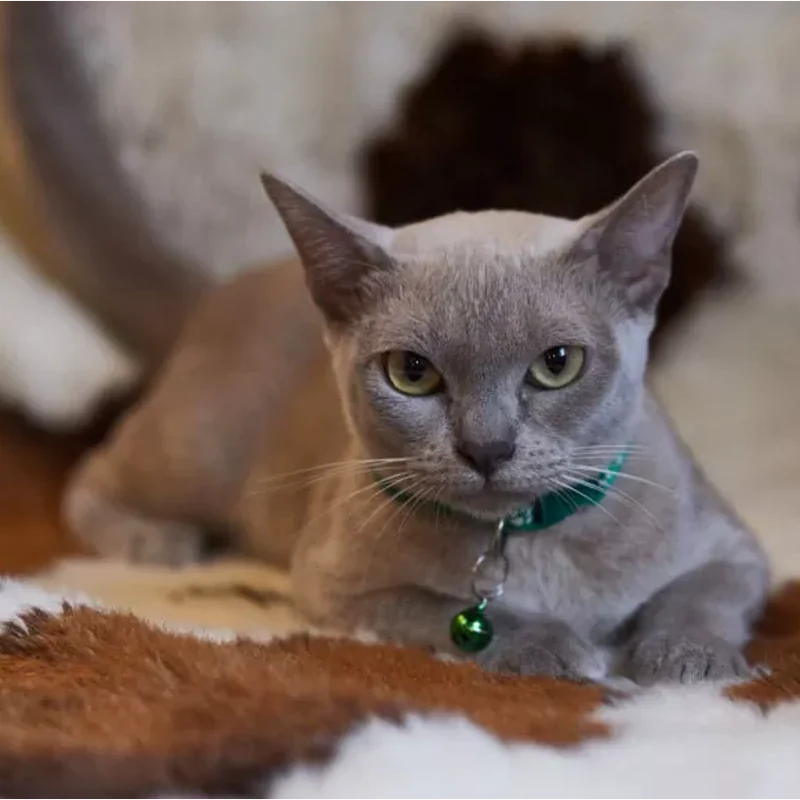
The Burmese enjoys close companionship with both her human family and other cats. While she inherited the talkative nature of her Siamese ancestors, her voice is gentler and sweeter.
Physical Characteristics
- Size: Medium (M: 8–12 lbs, F: 6–10 lbs)
- Coat: Short and smooth
- Color: Sable, champagne, blue, platinum
Life of a Norwegian Forest Cat
10 to 16 years
Colors
The original Burmese cat was known for its rich sable coat, a solid dark brown color. Today, Burmese cats are available in a variety of colors, including blue, champagne, and platinum, with some associations also recognizing tortoiseshell, lilac, and red. Sable kittens’ coats darken as they grow, and all Burmese cats feature striking green or golden eyes, complementing their beautiful fur.
Health
urmese cats are generally healthy but can be prone to certain health issues. They may develop gingivitis and are sensitive to anesthesia. Other conditions reported in the breed include corneal dermoid, orofacial pain syndrome, congenital peripheral vestibular disease, craniofacial abnormalities, hypokalemic polymyopathy, flat-chested kitten syndrome, kinked tail, elbow osteoarthritis, and diabetes. Regular veterinary care can help detect and manage these issues early.
Facts
Originated from a cross between the Siamese and the “copper cat” of Burma (now Myanmar)
Historically kept by priests in temples and palaces
One of the first breeds officially recognized by TICA