careofpet.in

Fish Health Guide

Fish health care goes beyond simply feeding them daily. It involves maintaining a stable aquatic environment, monitoring behavior, and preventing diseases before they occur. Healthy fish are active, vibrant, and responsive, while unhealthy fish often show subtle signs that need early attention.

Water Quality Management

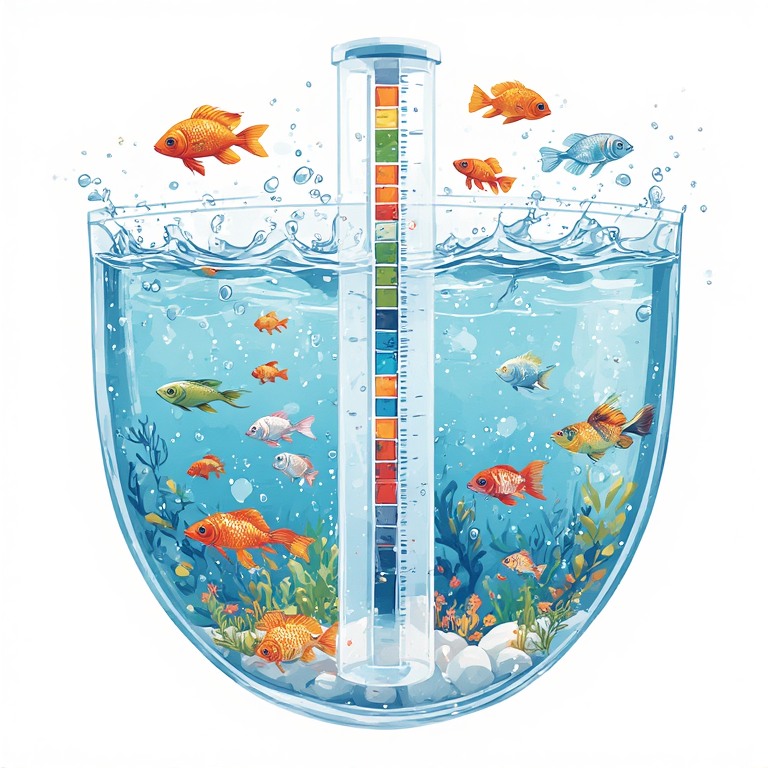
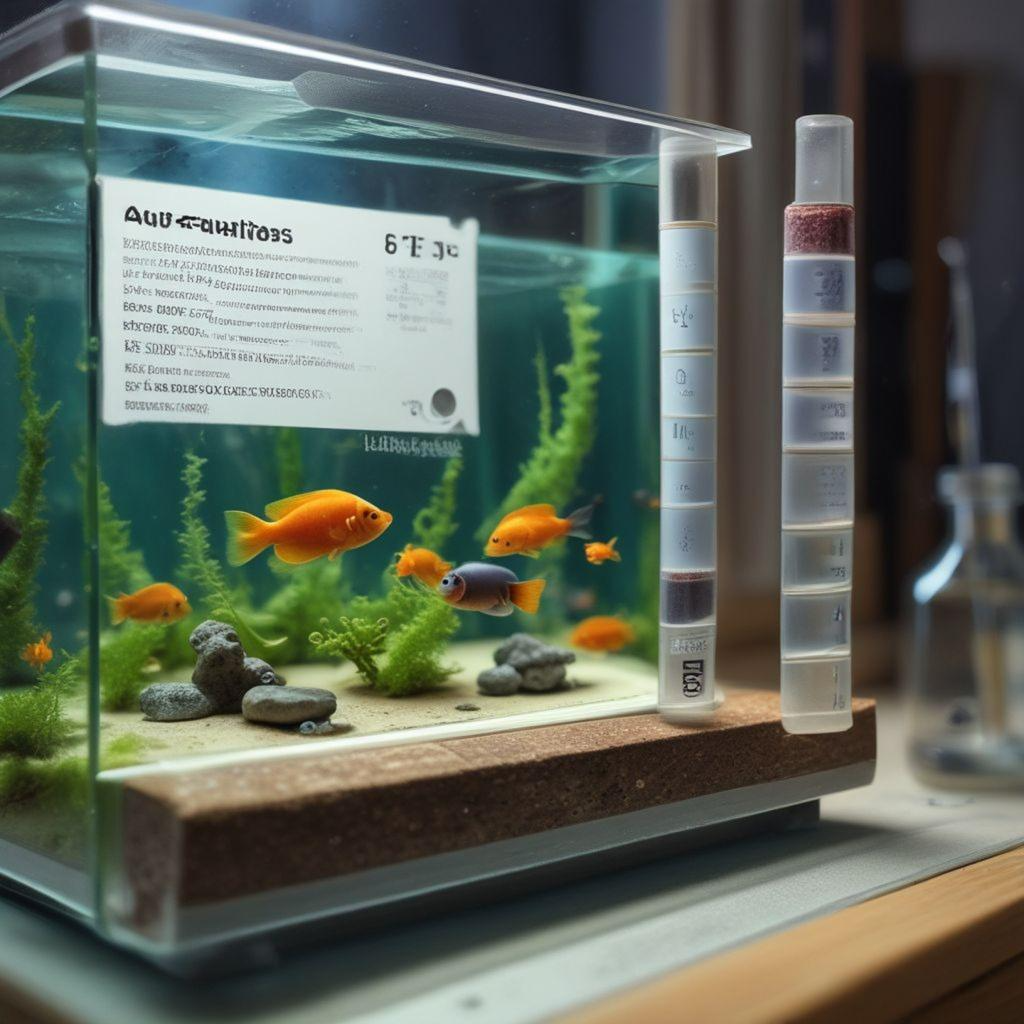
Water quality is the foundation of fish health and the most critical factor in maintaining a thriving aquarium. Unlike land pets, fish live entirely in their environment, which means even small changes in water conditions can directly affect their health, behavior, and survival.

Maintaining proper water quality involves balancing chemical parameters, removing waste, and ensuring a stable ecosystem inside the tank.

Key Water Parameters

1. pH Level

pH measures how acidic or alkaline the water is. Most freshwater fish prefer a pH between 6.5 and 7.5, but this can vary by species. Sudden pH changes can stress fish and lead to illness.

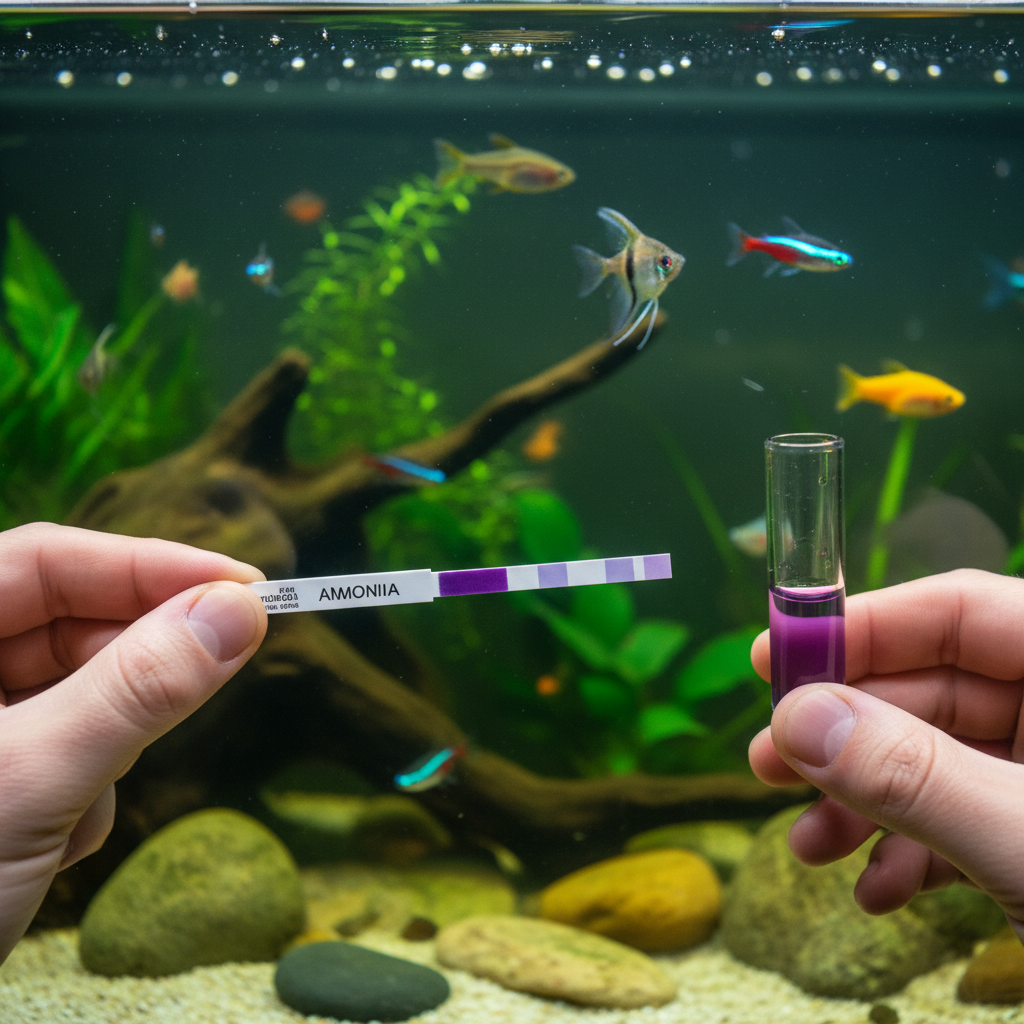
2. Ammonia (NH₃)

  • Safe level: 0 ppm (parts per million)
  • High ammonia is toxic and can burn fish gills.
  • Remove ammonia with regular water changes and good filtration.

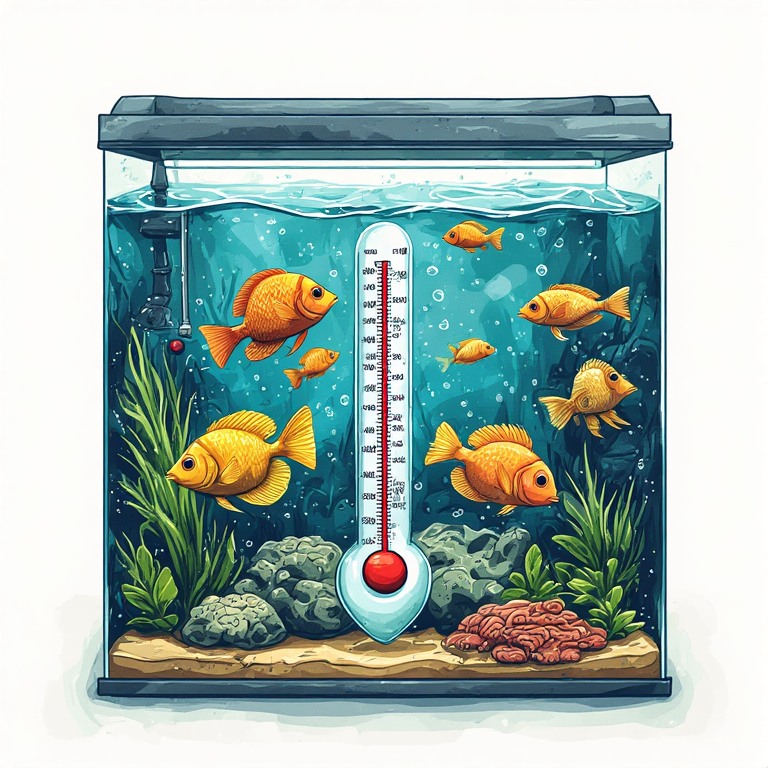
3. Temperature

  • Different fish need different temperatures:
    • Tropical fish: 24–28°C (75–82°F)
    • Goldfish: 18–22°C (65–72°F)
  • Sudden changes in temperature can stress fish and cause illness.

4. Nitrite (NO₂⁻)

  • Safe level: 0 ppm
  • Nitrites indicate incomplete biological filtration and can poison fish.

5. Hardness (GH – General Hardness)

  • Measures dissolved calcium and magnesium in water.
  • Most freshwater fish: 5–12 dGH
  • Helps with fish metabolism and health.

6. Carbonate Hardness (KH)

  • Measures water buffering capacity (resistance to pH changes).
  • Ideal for most fish: 3–10 dKH
  • Low KH can cause sudden pH swings, stressing fish.

Fish Disease Diagnosis Guide

Identifying fish diseases early is very important to prevent serious health problems. By observing your fish’s behavior and physical appearance, you can quickly understand what might be wrong and take the right action.

Example:

  • White spots → Ich
  • Torn fins → Fin Rot
  • Floating upside down → Swim bladder

Disease

Ich

Fin Rot

Symptoms

White spots

Damaged fins

Cause

Parasite

Bacteria

Treatment

Medication

Clean water

Signs of Healthy Fish

  • Active swimming
  • Bright aur natural color
  • Regular feeding behavior
  • Clean fins (torn ya damaged nahi)
  • Clear eyes (cloudy nahi)

Signs of Unhealthy Fish

Fish often show subtle signs before serious illness develops. Identifying these early symptoms can help prevent major health problems and improve survival.

1. Behavioral Changes

Changes in behavior are usually the first indication of a problem:

  • Lethargy – fish becomes less active and stays still
  • Resting at the bottom – unusual for normally active species
  • Erratic swimming – jerky, circular, or unbalanced movement
  • Frequent surface swimming – may indicate low oxygen levels

2. Loss of Appetite

A healthy fish is typically eager to eat.

  • Ignoring food completely
  • Taking food and spitting it out
  • Sudden decrease in feeding behavior

 Possible causes include:

  • Infection
  • Poor water conditions
  • Digestive disorders

3. Breathing Difficulties

  • Rapid gill movement
  • Gasping at the surface
  • Red or inflamed gills

 Often linked to:

  • Low oxygen levels
  • Ammonia or toxin buildup
  • Poor water quality

4. Fungal Growth or External Infections

  • Cotton-like white growth on body
  • Open sores or ulcers
  • Red patches or lesions

5. Rubbing Against Objects (Flashing)

  • Fish frequently rubs against tank walls, rocks, or decorations

6. Balance and Buoyancy Issues

  • Difficulty maintaining position in water
  • Floating upside down or sinking
  • Swimming sideways

Prevention Tips

  • Perform regular water changes (weekly) to maintain good aquarium water quality
  • Avoid overfeeding fish, as excess food can pollute the tank and harm fish health
  • Use a proper aquarium filtration system to remove toxins and keep water clean
  • Keep the fish tank clean and well-maintained to prevent diseases
  • Always quarantine new fish before adding them to your aquarium to avoid infections

Why Fish Care is Important

Proper fish care and maintenance helps:

  • Improve fish health and lifespan
  • Prevent common fish diseases
  • Maintain a stable and clean aquarium environment
  • Reduce stress in aquarium fish

Basic Fish Care Tips

Proper care of pet fish is essential to keep your aquarium fish healthy, active, and disease-free. Following these basic fish care tips will help maintain a clean and stable environment for your pets.

Daily Fish Care Tips

  • Feed your fish 1–2 times a day as part of proper care of pet routine
  • Avoid overfeeding, as it can harm fish health and water quality
  • Observe fish behavior daily to ensure good pet fish health

Aquarium Maintenance Tips

  • Keep the fish tank clean to support effective care of pet fish
  • Perform regular water changes to maintain aquarium hygiene
  • Use a good filtration system for better pet care and fish health

Environment Control

  • Maintain the right water temperature for your fish species
  • Avoid sudden changes in temperature or water conditions
  • Ensure the tank is not overcrowded for proper care of pet environment

Conclusion – Fish Care Tips

Proper fish care is essential to maintain a healthy and thriving aquarium. By following a pet fish care guide, including regular tank maintenance, balanced feeding, and monitoring water quality, you can prevent most common fish diseases.

Whether you are a beginner or an experienced fish owner, consistent aquarium fish health practices ensure your fish stay active, stress-free, and happy. Small daily efforts in fish tank care and maintenance make a huge difference in creating a safe and clean environment for your pets.