Gmail - piyushjoshi792006@gmail.com
Contact- +91 8433262451

Complete Cat Health Guide
This Cat Health Guide explains why cats are an important part of our homes, and taking care of their health is the responsibility of every pet owner. A healthy cat is not only physically fit but also mentally active and happy. With proper care, a balanced diet, and regular monitoring, you can help your cat live a long and disease-free life. Regular use of this Cat Health Guide can help pet owners make better decisions for their cat’s overall well-being.
Nowadays, many cats live indoors, which protects them from outside dangers. However, their physical activity may decrease because of this. That is why providing a proper diet and regular playtime becomes even more important for indoor cats, as recommended in this Cat Health Guide.

Understanding Common Cat Health Problems – Cat Health Guide
Cats can suffer from several common health problems. Recognizing symptoms early can help prevent serious issues and improve treatment outcomes, as explained in this Cat Health Guide. Regular observation of your cat’s behavior and physical condition helps identify problems at an early stage. Following this Cat Health Guide can help pet owners stay informed and ensure better care for their cats.
1. Obesity
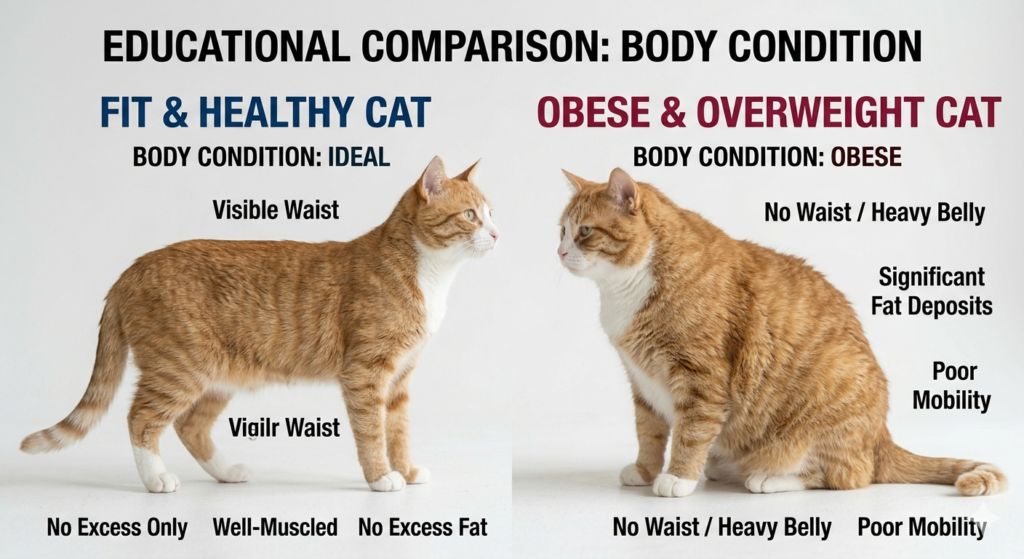
Obesity is a common problem in cats caused by overeating and lack of physical activity. Indoor cats are more likely to become overweight due to limited movement. It can lead to serious health issues such as diabetes, heart disease, and joint problems.
Overweight cats may become lazy, have difficulty jumping, and show less interest in playing. Maintaining a balanced diet and encouraging daily exercise can help prevent obesity and keep your cat active and healthy.
2. Skin Allergies
Many cats suffer from skin allergies caused by food, fleas, or environmental factors like dust and pollen. These allergies can make your cat very uncomfortable if not treated properly.
Common symptoms include itching, redness, hair loss, and skin irritation. In severe cases, it may lead to infections. Regular grooming, a clean environment, and proper diet can help reduce allergy risks.

3. Dental Problems
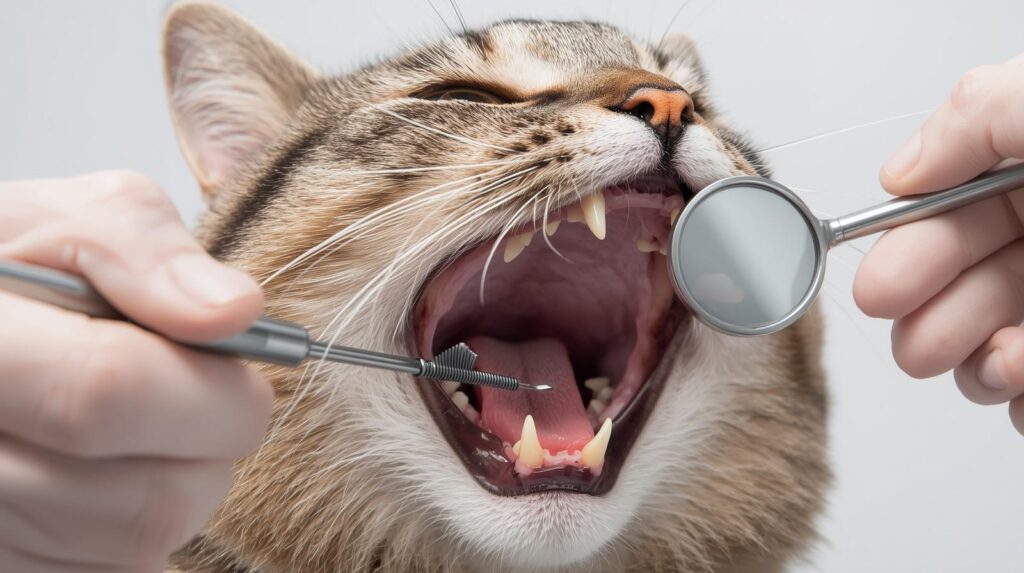
Dental issues are very common in cats and can affect their overall health. Poor oral hygiene can lead to plaque buildup, gum disease, and tooth decay.
Symptoms include bad breath, difficulty eating, drooling, and swollen gums. If left untreated, dental infections can spread to other parts of the body. Regular teeth cleaning and dental care are essential.
4. Parasites (Fleas, Ticks & Worms)
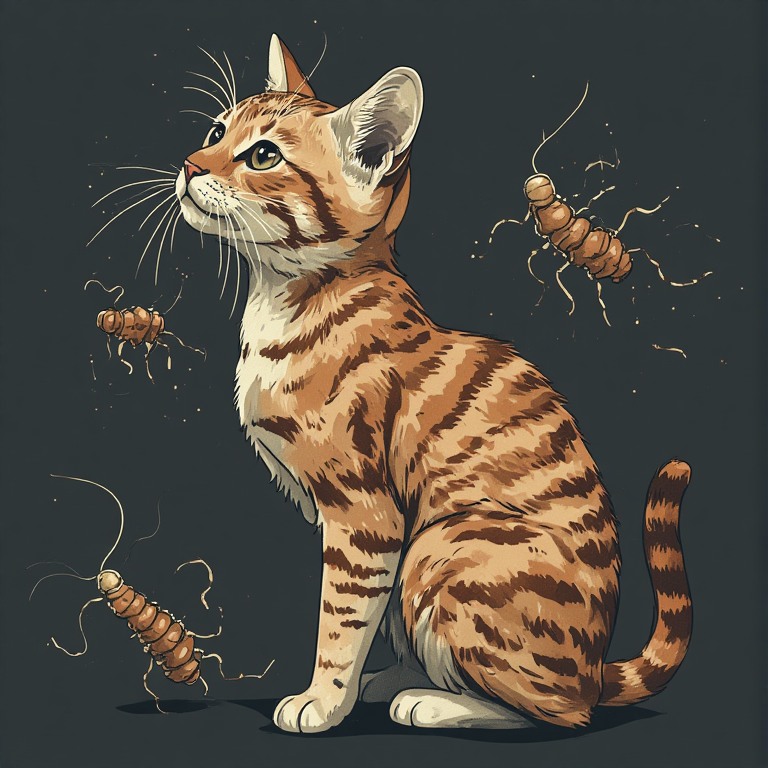
Parasites can affect both the skin and internal health of cats. External parasites like fleas and ticks cause itching and skin irritation, while internal parasites like worms affect digestion and nutrition.
Cats with parasites may show signs like excessive scratching, weight loss, and weakness. Regular deworming and parasite control treatments can help keep your cat safe.
5. Urinary Tract Problems
Urinary issues are quite common, especially in male cats. These problems can become serious if not treated quickly.
Symptoms include frequent urination, pain while urinating, blood in urine, or difficulty using the litter box. Providing fresh water and a proper diet can help reduce the risk of urinary problems.

6. Respiratory Infections
Respiratory infections are common in cats, especially in kittens and older cats with weak immunity.
Symptoms include sneezing, runny nose, watery eyes, and fever. These infections can spread easily between cats. Keeping your cat in a clean and warm environment and ensuring proper vaccination can help prevent infections.

7. Digestive Issues
Digestive problems like vomiting and diarrhea are common in cats and can be caused by poor diet, infections, or hairballs.
Occasional vomiting may be normal, but frequent episodes can indicate a serious issue. Providing high-quality food and avoiding sudden diet changes can help maintain good digestive health.
Important Cat Vaccines
- Feline Panleukopenia (FPV / Cat Distemper) – Protects against a serious viral infection affecting intestines and immune system.
- Feline Herpesvirus (FHV-1 / Rhinotracheitis) – Prevents respiratory infections and eye problems.
- Feline Calicivirus (FCV) – Protects against respiratory illness and mouth ulcers.
- Feline Leukemia Virus (FeLV) – Protects against immune system suppression and cancer; recommended especially for outdoor cats.
Proper Nutrition for Cats
- High-Quality Meat – Chicken, turkey, beef, or fish; main source of protein.
- Wet / Canned Cat Food – Helps with hydration and balanced nutrition.
- Cat-Specific Dry Food (Kibble) – Provides essential vitamins and minerals.
- Eggs (Cooked) – Great source of protein in small amounts.
- Small Amounts of Veggies – Carrots, pumpkin, or peas (optional, for fiber).
- Fresh Water – Always essential for hydration and kidney health.
- Following this Cat Health Guide, these foods play an important role in maintaining your cat’s overall health, energy, and well-being.
Regular Exercise
Regular exercise is essential to keep your cat healthy, happy, and fit. Active cats are less likely to become overweight, stressed, or develop health problems. Following this Cat Health Guide, regular playtime and physical activity help maintain your cat’s overall well-being and improve their quality of life.
- Playtime with Toys – Feather wands, balls, laser pointers
- Climbing & Scratching – Cat trees, shelves, scratching posts
- Interactive Games – Puzzle toys, hide-and-seek with treats
- Supervised Outdoor Time – Harness walks or secure cat patios (catios)
- Short, Frequent Sessions – 15–30 minutes daily for indoor cats
Signs of a Healthy Cat
Physical Signs:
- Bright Eyes – Clear, shiny eyes without discharge
- Clean Ears – No odor, redness, or excessive wax
- Healthy Coat – Shiny, smooth fur with minimal shedding
- Normal Weight – Not underweight or overweight
- Clean Teeth & Gums – Pink gums, minimal plaque, no bad breath
- Regular Grooming – Cat cleans itself frequentl
Behavioral Signs:
1. Active & Playful – Engages in play, jumps, and explores
2. Alert & Responsive – Reacts to sounds, movements, and people
3. Normal Appetite – Eats and drinks regularly
4. Regular Bathroom Habits – Uses litter box normally, normal urination and bowel movements
Keeping your cat healthy requires a combination of proper nutrition, regular exercise, vaccinations, and preventive care. Regular observation of their behavior and physical condition helps detect problems early, ensuring a longer, happier life. This Cat Care Guide provides essential tips to help you maintain your cat’s overall health and well-being. Following this Cat Care Guide can help pet owners make better decisions for their cat’s health and daily care.
By providing a balanced diet, safe environment, mental stimulation, and timely vet visits, you can give your cat the care it deserves. Remember, even small changes in appetite, activity, or grooming can be important signs of health issues, so always pay attention to your cat’s well-being.
A healthy cat is not only physically fit but also happy, active, and affectionate, making your bond even stronger.