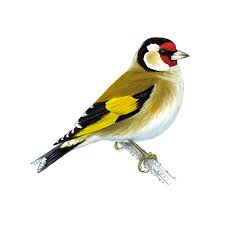
The Goldfinch (Carduelis spp.) is a small, vibrant songbird, with males showing bright yellow plumage during the breeding season. They are found across North America, Europe, and parts of Asia, favoring gardens, meadows, and open woodlands. Goldfinches primarily eat seeds, especially thistles and sunflowers, and are highly social, often seen in flocks. They build cup-shaped nests in shrubs or trees, and their cheerful songs make them popular among birdwatchers.
Gmail - piyushjoshi2324@gmail.com
Contact- +91 991779100177
Menu
Top - 20 Bird Breeds
House Finch
Goldfinches
Average size & weight
- Length: 4.3 to 5.1 inches (11 – 13 cm)
- Wingspan: 7.5 to 8.7 inches (19 – 22 cm)
- Weight: 0.4 to 0.6 ounces (11 – 17 grams)
Lifespan
3 to 10 years
Color variations
The Goldfinch shows bright yellow plumage with black wings and tail in males during the breeding season, while females are more olive-yellow or dull yellow. Juveniles and non-breeding males have yellow-brown tones that gradually brighten in spring. The male’s vivid yellow helps attract mates, while females’ muted colors provide camouflage.
Habitat
- Social Behavior: Goldfinches are highly social, often forming flocks outside the breeding season.
- Feeding Habits: They mainly eat seeds, especially from thistles and sunflowers, and occasionally small insects.
- Nesting Behavior: They build cup-shaped nests in shrubs or trees, often weaving fine plant fibers.
Health
Common Health Issues:
Goldfinches can be prone to avian pox, eye infections, and parasites like mites and coccidia.
Prevention & Care:
Keep feeders and water dishes clean to avoid disease.
Provide a balanced diet of seeds, fruits, and occasional insects.
Ensure safe shelter and avoid overcrowding in aviaries.
Signs of Illness:
- Lethargy, fluffed feathers, or loss of appetite
2. Swollen eyes, nasal discharge, or unusual droppings
3. Difficulty flying or abnormal behavior
Veterinary Support:
Consult an avian vet for persistent symptoms. Regular observation and proper hygiene help keep Goldfinches healthy and active.
Goldfinches
House Finch
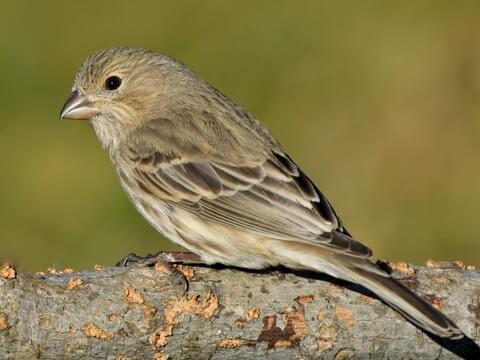
The House Finch (Haemorhous mexicanus) is a small, colorful songbird native to North America, easily recognized by the bright red plumage on the males’ head and chest, while females are brown and streaked. Highly adaptable, they thrive in urban, suburban, and rural areas and are commonly seen visiting backyard feeders. Their diet mainly consists of seeds, berries, and fruits. House Finches are social and cheerful birds, known for their melodic songs and easy breeding, often building cup-shaped nests in trees, shrubs, or on building ledges. Their friendly nature and adaptability make them a favorite among birdwatchers.
Average size & weight
Length: 5 to 6 inches (12.5 – 15 cm)
Wingspan: 8 to 10 inches (20 – 25 cm)
Weight: 0.7 to 1.4 ounces (20 – 40 grams)
Lifespan
5 to 7 years
Color variations
The House Finch shows clear color differences between males and females. Males have bright red, orange, or yellow on their head, throat, and chest, with brown streaked wings and back, while females are mostly brown and streaked, providing camouflage. Juveniles look like females at first, gradually developing male colors as they mature. The intensity of the male’s red often reflects its diet and overall health.
Habitat
Social Behavior: House Finches are highly social and often form flocks, especially outside the breeding season.
Feeding Habits: They mainly eat seeds, berries, and fruits, frequently visiting backyard feeders.
Nesting Behavior: They build cup-shaped nests in trees, shrubs, or on building ledges, often reusing sites.
Health
Common Health Issues:
House Finches can sometimes face eye infections, respiratory problems, and digestive issues like coccidiosis. They may also catch avian pox, which shows as small growths on their beak or skin.
Prevention & Care:
Keep feeders, water dishes, and cages clean and dry. Provide a balanced diet of seeds, fruits, and occasional supplements. Avoid overcrowding in aviaries and ensure they have fresh water daily.
Signs Your Bird May Be Sick:
Watch for lethargy, fluffed-up feathers, lack of appetite, unusual droppings, or swollen eyes. Difficulty flying or unusual behavior can also indicate health problems.
Veterinary Support:
For any persistent illness, consult an avian vet. Routine check-ups can prevent common infections and keep your bird active and healthy.
Healthy Habits:
House Finches thrive when they have safe shelter, perches, and space to fly. Regular observation ensures they stay cheerful, social, and full of energy.
California Scrub-Jay
California Scrub-Jay
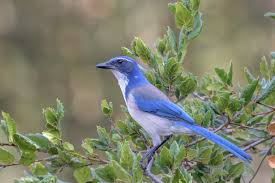
The California Scrub-Jay (Aphelocoma californica) is a medium-sized, intelligent bird native to the western United States, especially California. It has striking bright blue feathers on its wings, tail, and head, with a gray back and pale belly. These birds are omnivorous, feeding on nuts, seeds, insects, fruits, and small animals, and are known for storing food in hidden caches. Social and curious, they are often seen in pairs or family groups and are recognized for their loud, harsh calls and playful behavior.
Average size & weight
- Length: 11–12 inches (28–30 cm)
- Wingspan: 15–17 inches (38–43 cm)
- Weight: 2.5–3.5 ounces (70–100 grams)
Lifespan
7 to 9 years
Color variations
The California Scrub-Jay has striking bright blue feathers on its head, wings, and tail, contrasting with a medium gray back and pale grayish-white underparts. Some birds also show subtle blue eyebrow lines above the eyes. The vivid blue coloration not only makes them visually striking but also plays a role in social signaling and indicates the bird’s health and vitality.
Habitat
- Social Behavior: They are highly social and curious, often seen in pairs or small family groups.
- Feeding Habits: Omnivorous birds that eat nuts, seeds, insects, fruits, and small animals, and are known for storing food in hidden caches.
- Daily Activity: Active throughout the day, they spend time foraging, flying, and interacting, often vocalizing with loud, harsh calls.
Health
Common Health Issues:
California Scrub-Jays can face avian pox, mites, and respiratory infections, especially in areas with high bird populations.
Prevention & Care:
Keep feeding and water areas clean to prevent disease.
Provide a varied diet of nuts, seeds, fruits, and occasional insects.
Avoid overcrowding in aviaries or feeders and ensure safe shelter.
Signs of Illness:
Lethargy, fluffed feathers, or loss of appetite
Swollen eyes, nasal discharge, or unusual droppings
Difficulty flying or unusual behavior
Veterinary Support:
Consult an avian veterinarian for persistent symptoms. Proper hygiene, observation, and a balanced diet help keep Scrub-Jays healthy, active, and social.
Anna’s Hummingbird
Anna’s Hummingbird
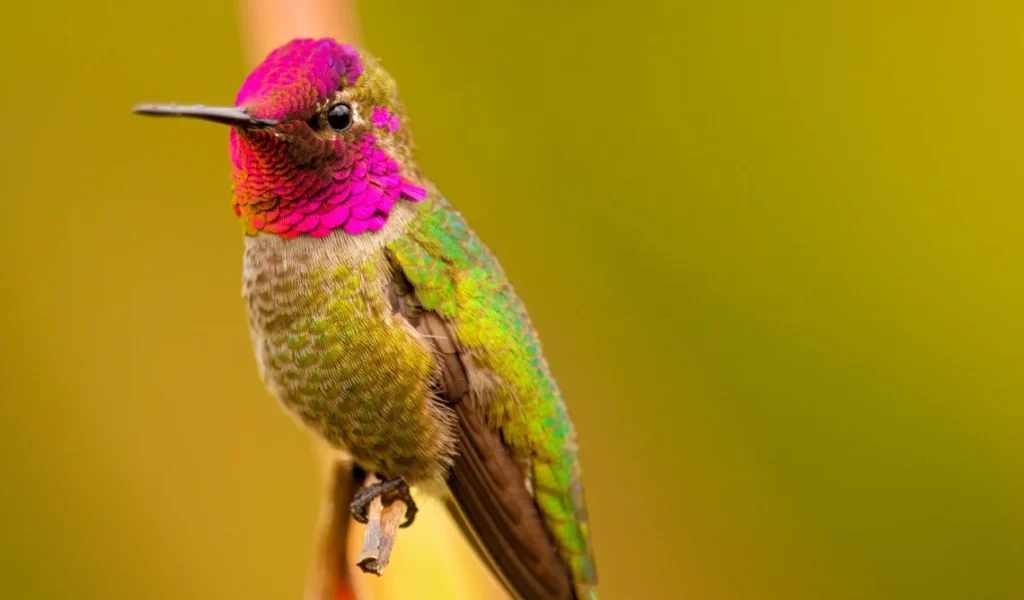
The Anna’s Hummingbird (Calypte anna) is a small, vibrant bird native to the western United States, especially California. Males have iridescent green bodies with a striking rose-pink throat, while females are duller with green backs and grayish underparts. These birds feed mainly on nectar but also eat small insects and spiders. They are agile fliers, capable of hovering and even flying backward, and are known for being territorial around feeding areas. Their bright colors and energetic behavior make them a favorite among birdwatchers.
Average size & weight
- Length: 3.9–4.3 inches (10–11 cm)
- Wingspan: 4.7–5.1 inches (12–13 cm)
- Weight: 0.1–0.15 ounces (3–4.5 grams)
Lifespan
3 to 5 years
Color variations
The Anna’s Hummingbird is known for its striking colors. Males have iridescent emerald green bodies and a brilliant rose-pink throat (gorget) that shines in sunlight, while their back and tail are a mix of green and gray. Females are slightly duller, with green backs, a pale grayish belly, and subtle pink markings on the throat. These vivid colors not only make them visually stunning but also play a role in territorial and mating displays.
Habitat
- Feeding Behavior: They primarily feed on nectar from flowers but also eat small insects and spiders for protein.
- Flight & Activity: Extremely agile fliers, capable of hovering, flying backward, and darting quickly between flowers.
- Territorial Behavior: Males are territorial, often defending feeding areas and displaying vibrant throat colors to ward off rivals.
Health
Common Health Issues:
Anna’s Hummingbirds can face mites, fungal infections, and respiratory problems, especially if feeders or nesting areas are unsanitary.
Prevention & Care:
Keep feeders and water sources clean to prevent disease.
Provide a balanced diet of nectar, supplemented with small insects for protein.
Ensure safe shelter and avoid overcrowding in garden or aviary areas.
Signs of Illness:
Lethargy, fluffed feathers, or reduced activity
Loss of appetite or unusual droppings
Difficulty hovering or flying normally
Veterinary Support:
Consult an avian veterinarian for persistent or severe symptoms. Proper hygiene, observation, and a nutritious diet help keep Anna’s Hummingbirds healthy and energetic.
California Towhee
California Towhee
The California Towhee (Melozone crissalis) is a medium-sized, brown songbird native to California and parts of the western United States. It has warm brown plumage with a slightly darker head and tail, and a pale belly. These birds are ground foragers, feeding on seeds, insects, and fruits, often scratching through leaf litter. California Towhees are shy but adaptable, frequently found in gardens, chaparral, and scrublands. Their soft, whistled calls and gentle behavior make them a common sight for birdwatchers.
Average size & weight
- Length: 3.9–4.3 inches (10–11 cm)
- Wingspan: 4.7–5.1 inches (12–13 cm)
- Weight: 0.1–0.15 ounces (3–4.5 grams)
Lifespan
5 to 8 years
Color variations
The California Towhee has warm brown plumage with a slightly darker head and tail and a pale brown belly. Both males and females share similar earthy colors, which provide excellent camouflage while foraging on the ground or in shrubs.
Habitat
Foraging Behavior: Primarily a ground forager, scratching through leaf litter for seeds, insects, and fruits.
Social Behavior: Generally shy and solitary, though sometimes seen in pairs or small family groups.
Activity Patterns: Active during the day, they hop or walk through shrubs and gardens, often using soft calls to communicate.
Health
Common Health Issues:
California Towhees can be affected by mites, bacterial infections, and respiratory problems, especially in areas with dense populations or poor hygiene.
Prevention & Care:
Keep feeding and water areas clean to reduce the risk of disease.
Provide a balanced diet of seeds, fruits, and occasional insects.
Ensure safe shelter with protection from predators and harsh weather.
Signs of Illness:
Lethargy, fluffed feathers, or decreased activity
Loss of appetite or abnormal droppings
Difficulty hopping or flying
Veterinary Support:
Consult an avian veterinarian if symptoms persist. Proper hygiene, observation, and a nutritious diet help keep California Towhees healthy and active.
Northern Mockingbird
Northern Mockingbird
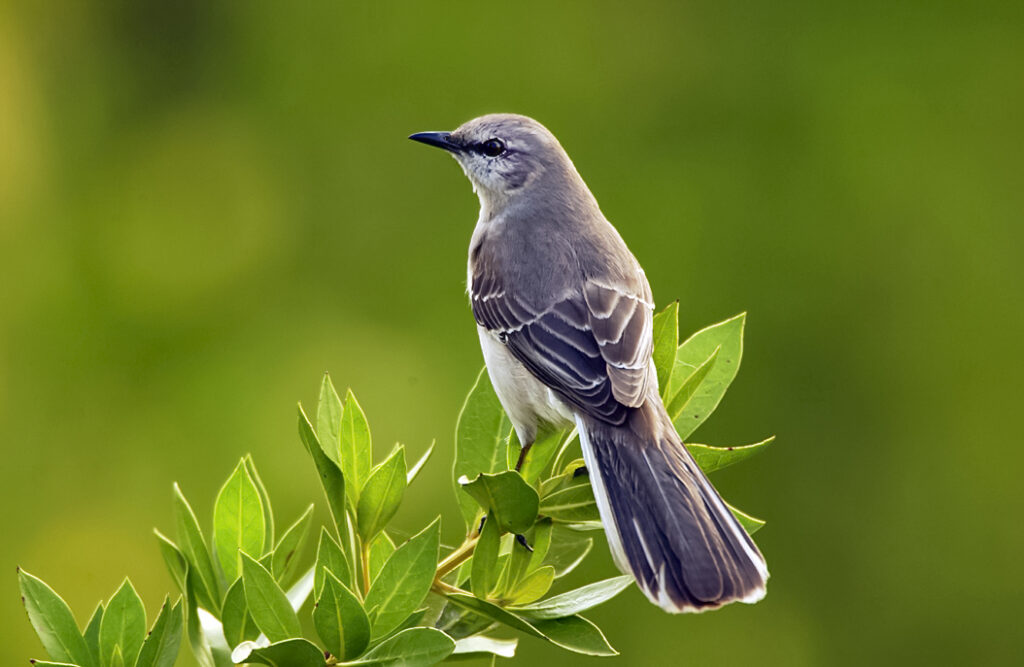
The Northern Mockingbird (Mimus polyglottos) is a medium-sized, grayish songbird native to North America, commonly found in urban, suburban, and open woodland areas. It is famous for its ability to mimic the songs of other birds, animals, and even mechanical sounds. The bird has gray upperparts, a pale belly, and white patches on its wings and tail visible in flight. Northern Mockingbirds are territorial and highly active, feeding on insects, fruits, and berries. Their loud, melodious singing makes them one of the most recognized and admired songbirds in their range.
Average size & weight
- Length: 8–11 inches (20–28 cm)
- Wingspan: 12–15 inches (30–38 cm)
- Weight: 1.5–2.3 ounces (43–65 grams)
Lifespan
8 to 11 years
Color variations
The Northern Mockingbird has gray upperparts with a pale belly and white patches on its wings and tail. Both males and females share similar coloring, which provides camouflage while foraging and signals during flight displays.
Habitat
Singing Behavior: Famous for mimicking other birds, animals, and sounds, males sing to attract mates and defend territory.
Feeding Habits: Omnivorous, they eat insects, fruits, and berries, often foraging on the ground or in shrubs.
Territorial Behavior: Highly territorial and active, they aggressively defend nests and feeding areas from intruders.
Health
Common Health Issues:
Northern Mockingbirds can be affected by mites, avian pox, and respiratory infections, especially if feeders or nesting areas are not clean.
Prevention & Care:
Keep feeders, birdbaths, and nesting areas clean to prevent disease.
Provide a balanced diet of insects, fruits, and berries.
Ensure safe shelter and avoid overcrowding in gardens or aviaries.
Signs of Illness:
Lethargy, fluffed feathers, or reduced activity
Loss of appetite or unusual droppings
Difficulty flying or abnormal behavior
Veterinary Support:
Consult an avian veterinarian for persistent or severe symptoms. Proper hygiene, observation, and a nutritious diet help Northern Mockingbirds stay healthy, active, and territorial.
American Robin
American Robin
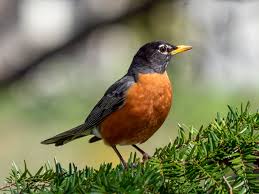
The American Robin (Turdus migratorius) is a medium-sized songbird widely found across North America. It has a bright orange-red breast, gray-brown back, and a yellow beak, making it easily recognizable. Robins are primarily ground foragers, feeding on earthworms, insects, and berries. They are migratory in northern regions but may stay year-round in the south. Known for their cheerful, melodious song, American Robins are a familiar symbol of spring and renewal.
Average size & weight
Length: 9–11 inches (23–28 cm)
Wingspan: 12–16 inches (31–41 cm)
Weight: 2.7–3.0 ounces (77–85 grams)
Lifespan
2 to 5 years
Color variations
The American Robin has a bright orange-red breast, gray-brown back and wings, and a yellow beak. Its darker gray head and white throat with streaks make it easily recognizable while foraging or singing.
Habitat
- Foraging Behavior: Primarily ground foragers, they feed on earthworms, insects, and berries, often seen hopping across lawns and gardens.
- Migration & Movement: Northern populations are migratory, moving south in winter, while southern populations may stay year-round.
- Daily Activity & Singing: Active during the day, robins are known for their cheerful, melodious song, especially during breeding season, and often perch visibly while singing.
Health
Common Health Issues:
American Robins can be affected by avian pox, parasites (mites and lice), and respiratory infections, especially in areas with poor hygiene or contaminated feeders.
Prevention & Care:
Keep feeders, birdbaths, and nesting areas clean to prevent disease.
Provide a balanced diet of earthworms, insects, and berries.
Ensure safe shelter from predators and harsh weather conditions.
Signs of Illness:
Lethargy, fluffed feathers, or reduced activity
Loss of appetite or unusual droppings
Difficulty hopping, flying, or singing
Veterinary Support:
Consult an avian veterinarian for persistent or severe symptoms. Proper hygiene, observation, and a nutritious diet help American Robins stay healthy, active, and vibrant.
Steller's Jay
Steller's Jay
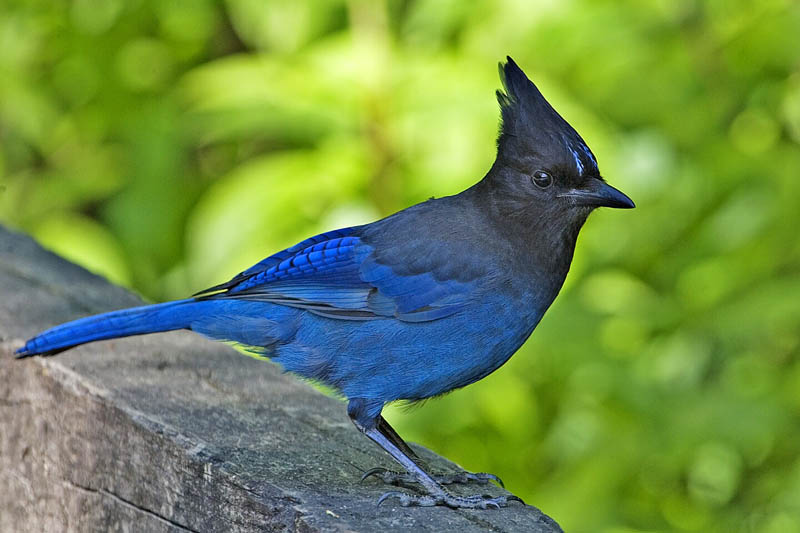
The Steller’s Jay (Cyanocitta stelleri) is a medium-sized, striking bird native to the western United States and parts of Mexico, often found in coniferous forests and mixed woodlands. It has a brilliant dark blue body, blackish head, and a distinctive crested crown. Steller’s Jays are omnivorous, feeding on nuts, seeds, fruits, insects, and small animals. Highly intelligent and vocal, they are often seen in pairs or small groups, using loud calls to communicate. Their bold and playful behavior makes them a fascinating sight for birdwatchers.
Average size & weight
- Length: 11–13 inches (28–33 cm)
- Wingspan: 13–17 inches (33–43 cm)
- Weight: 3.4–5.0 ounces (96–140 grams)
Lifespan
7 to 10 years
Color variations
The Steller’s Jay has a dark blue body with a blackish head and a distinctive crested crown. Its bright blue wings and tail create a striking contrast, making this bird easily recognizable in forests and wooded areas.
Habitat
Feeding Behavior: Omnivorous, feeding on nuts, seeds, fruits, insects, and occasionally small animals, often foraging on the ground or in trees.
Social & Vocal Behavior: Highly social and vocal, frequently seen in pairs or small groups, using loud, varied calls to communicate.
Activity & Intelligence: Active and playful, Steller’s Jays are intelligent, often mimicking other birds or sounds and exploring their environment curiously.
Health
Common Health Issues:
Steller’s Jays can be affected by mites, avian pox, and respiratory infections, especially in areas with contaminated feeders or dense populations.
Prevention & Care:
Keep feeders, water sources, and nesting areas clean to reduce disease risk.
Provide a balanced diet of nuts, seeds, fruits, and insects.
Ensure safe shelter and protection from predators.
Signs of Illness:
Lethargy, fluffed feathers, or decreased activity
Loss of appetite or unusual droppings
Difficulty flying or abnormal behavior
Veterinary Support:
Consult an avian veterinarian for persistent or severe symptoms. Proper hygiene, observation, and a nutritious diet help Steller’s Jays stay healthy, active, and social.
Western Bluebird
Western Bluebird
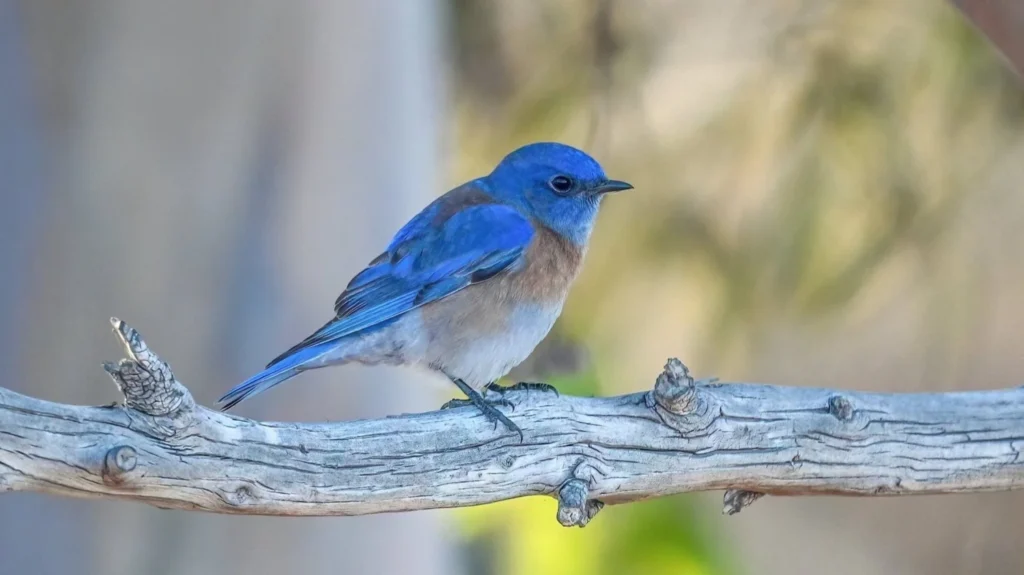
The Western Bluebird is a small, colorful bird found in western North America. It has bright blue feathers on its head and wings, with a rusty-orange chest. This bird prefers open woodlands and often nests in tree cavities. It mainly feeds on insects and berries, helping control pests in its habitat.
Average size & weight
Size: Small
Length: 15 to 18 cm (5.9 to 7.1 inches)
Weight: 24 to 31 grams
Lifespan
6 to 10 years
Color variations
The Western Bluebird has a bright and attractive color pattern. Males usually have deep blue on the head, wings, and back, with a rusty orange chest and a grayish belly. Females are more softly colored, with gray-blue tones and a lighter orange chest.
Habitat
- Lives in small groups and is a social bird
- Often seen sitting on fences, wires, or tree branches
- Feeds mainly on insects and berries
- Likes open areas like fields, farms, and woodlands
Health
Health
Common Health Issues:
Can be affected by parasites (mites, lice)
Risk of avian diseases like infections
Habitat loss can impact survival and health
Prevention & Care:
Keep nest boxes and feeding areas clean
Provide access to natural food like insects and berries
Ensure a safe and clean environment
Signs of Illness:
Low activity or weakness
Fluffed feathers for long periods
Difficulty flying or unusual behavior
Support:
Healthy habitats and proper care help Western Bluebirds stay active and strong
Hooded Oriole
Hooded Oriole
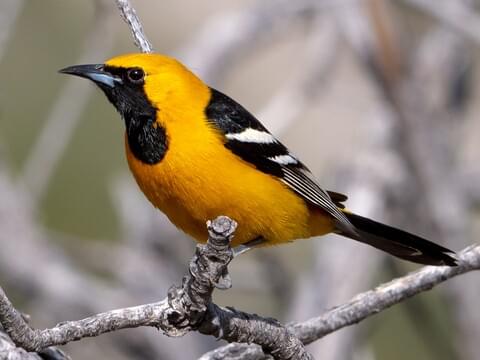
The Hooded Oriole is a bright and colorful bird found in North and Central America. It is known for its orange-yellow body and black face (hood), which gives it its name. This bird prefers warm areas like gardens, palm trees, and open woodlands.Hooded Orioles are active, social, and known for their sweet whistling songs, making them a beautiful and pleasant bird to watch.
Average size & weight
- Size: Small
- Length: 18 to 20 cm (7 to 8 inches)
- Weight: 20 to 25 grams
Lifespan
6 to 10 years
Color variations
The Hooded Oriole has a bright and eye-catching appearance. Males usually have a vibrant orange-yellow body with a black face and throat, along with black wings. Females are more yellowish-green with gray wings and lack the bold black hood seen in males.
Habitat
Prefers warm areas like gardens, palm trees, and open woodlands
Feeds on nectar, fruits, and insects
Often seen foraging among trees and flowers
Health
Common Health Issues:
Can be affected by parasites and infections
Habitat loss may impact health and survival
Exposure to pesticides can be harmful
Prevention & Care:
Maintain a clean feeding and nesting area
Provide safe, natural food sources
Avoid use of harmful chemicals near habitats
Signs of Illness:
Weakness or low activity
Fluffed feathers for long periods
Trouble flying or feeding
Support:
A safe environment and proper food help keep the Hooded Oriole healthy and active
Oak Titmouse
Oak Titmouse
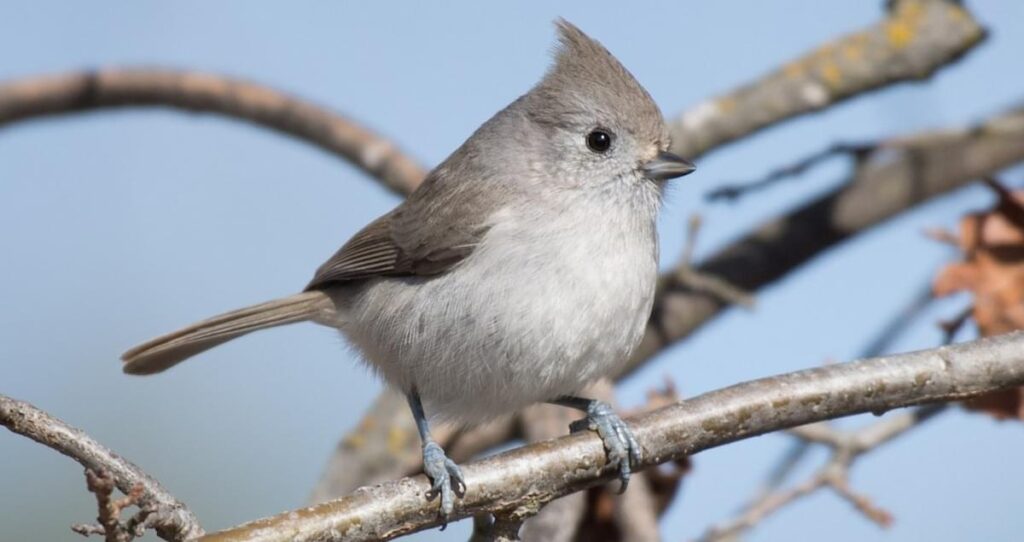
The Oak Titmouse is a small bird found in the western United States, especially in oak forests. It has a gray-brown body with a small crest on its head. This bird is active and curious, often seen searching for insects in trees. It is also known for its soft and repeated calls.
Average size & weight
- Size: Small
- Length: 12 to 13 cm (4.7 to 5.1 inches)
- Weight: 9 to 11 grams
Lifespan
6 to 8 years
Color variations
The Oak Titmouse has a simple and soft color pattern. It is mostly gray to gray-brown all over, with a slightly lighter underside. It also has a small crest on its head, giving it a unique look.
Habitat
Lives in oak woodlands and stays in the same area year-round
Feeds on insects, seeds, and small berries
Very active and curious, often hopping between branches
Health
Common Health Issues:
Can be affected by parasites and minor infections
Habitat loss can impact health and survival
Prevention & Care:
Keep nesting areas clean and safe
Ensure access to natural food sources
Signs of Illness:
Low activity or weakness
Fluffed feathers for long periods
Support:
A clean habitat and proper food help the Oak Titmouse stay healthy and active
Chestnut-backed Chickadee
Chestnut-backed Chickadee
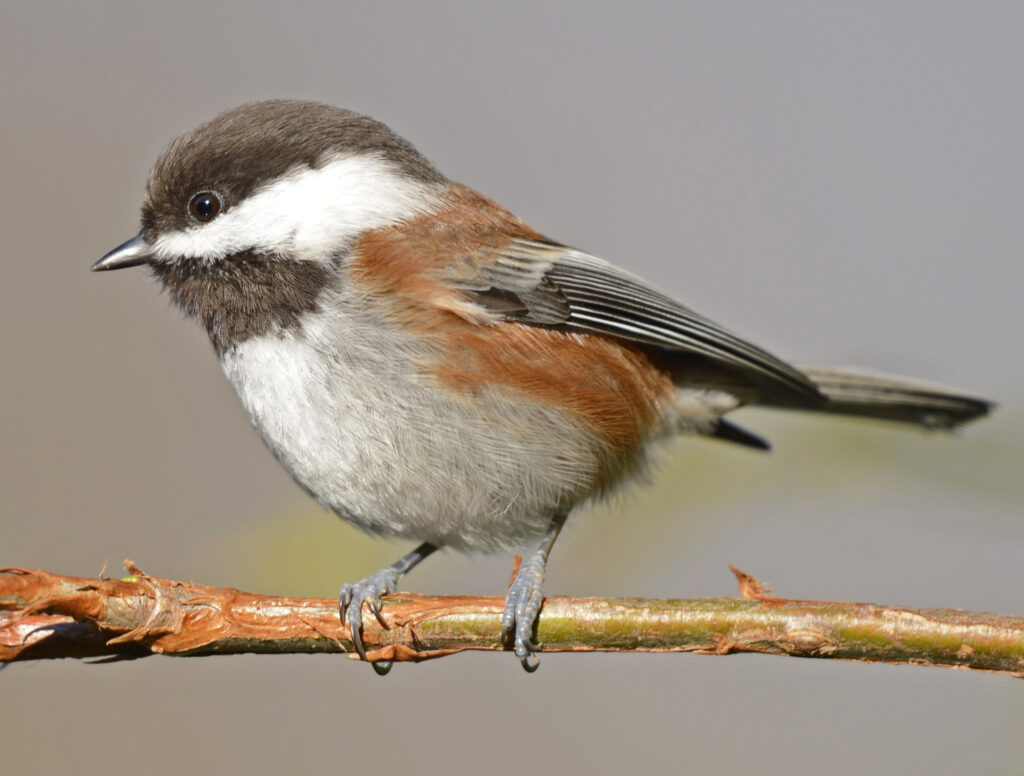
The Chestnut-backed Chickadee is a small, lively bird found along the west coast of North America, especially in forests. It is known for its black cap, white cheeks, and rich chestnut-colored back and sides.This bird is active, friendly, and often seen in small flocks, moving quickly through trees while searching for insects. It is also recognized for its soft “chick-a-dee” calls.
Average size & weight
- Size: Small
- Length: 11 to 12 cm (4.3 to 4.7 inches)
- Weight: 8 to 12 grams
Lifespan
5 to 7 years
Color variations
The Chestnut-backed Chickadee has a black cap and throat, white cheeks, and a rich chestnut (reddish-brown) back and sides.
Habitat
- Lives in forests and woodlands
- Feeds on insects, seeds, and berries
- Often seen in small active groups
Health
Common Health Issues:
Parasites and minor infections
Habitat loss
Prevention & Care:
Clean nesting areas
Natural food sources
Signs of Illness:
Low activity
Fluffed feathers
Support:
A clean environment helps keep this bird healthy and active
Downy Woodpecker
Downy Woodpecker
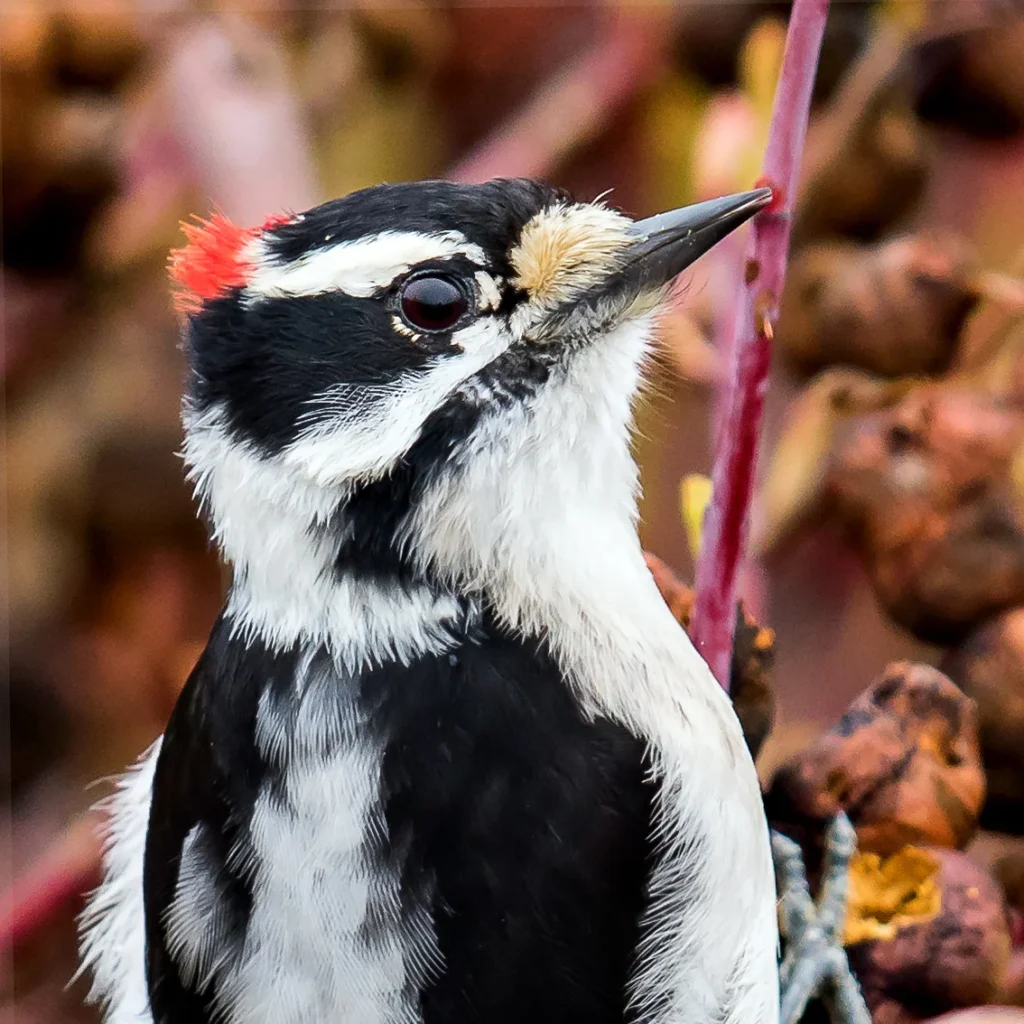
The Downy Woodpecker is a small and common bird found across North America. It is known for its black and white feathers and its habit of pecking on trees to find insects. This bird is active, friendly, and often seen in gardens, parks, and forests.
Average size & weight
Size: Small
Length: 14 to 17 cm (5.5 to 6.7 inches)
Weight: 20 to 30 grams
Lifespan
6 to 10 years
Color variations
The Downy Woodpecker has a black and white body, with a white underside and spotted wings. Males have a small red patch on the back of the head, while females do not.
Habitat
Found in forests, gardens, and parks
Feeds on insects, larvae, and seeds
Often seen pecking on tree bark
Health
Common Health Issues:
Parasites and minor infections
Habitat loss
Prevention & Care:
Provide clean feeding areas
Maintain natural habitats
Signs of Illness:
Weakness or low activity
Trouble pecking or flying
Support:
A safe and clean environment helps the Downy Woodpecker stay healthy and active
Nuttall’s Woodpecker
Nuttall’s Woodpecker
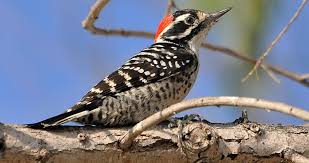
The Nuttall’s Woodpecker is a small, active woodpecker native to California and nearby regions. It is easily recognized by its black-and-white striped back and spotted underparts. Males have a small red patch on the back of the head. These birds are commonly found in oak woodlands, where they forage along branches and trunks for insects.
Average size & weight
- Length: 6 to 7 inches (15–18 cm)
- Wingspan: ~10 to 12 inches (25–30 cm)
- Weight: 1.1 to 1.6 ounces (30–45 grams)
Lifespan
4 to 8 years
Color variations
The Nuttall’s Woodpecker has bold black-and-white stripes on its back and wings, with a white underside marked by black spots. Males have a small red patch on the back of the head, while females lack this marking.
Habitat
- Oak woodlands
- Riparian forests
- Suburban areas with trees
Health
Common Health Issues:
Susceptible to wood-boring insect parasites in cavities.
Can develop fungal or bacterial infections in nesting holes.
Occasional injuries from tree collisions or predators.
Prevention & Care:
Preserve old and dead trees for safe nesting.
Avoid pesticide use that kills insects they eat.
Keep bird-friendly yards with natural cover.
Signs of Illness:
Weakness or inability to cling to tree trunks
Fluffed or discolored feathers
Acorn Woodpecker
Acorn Woodpecker
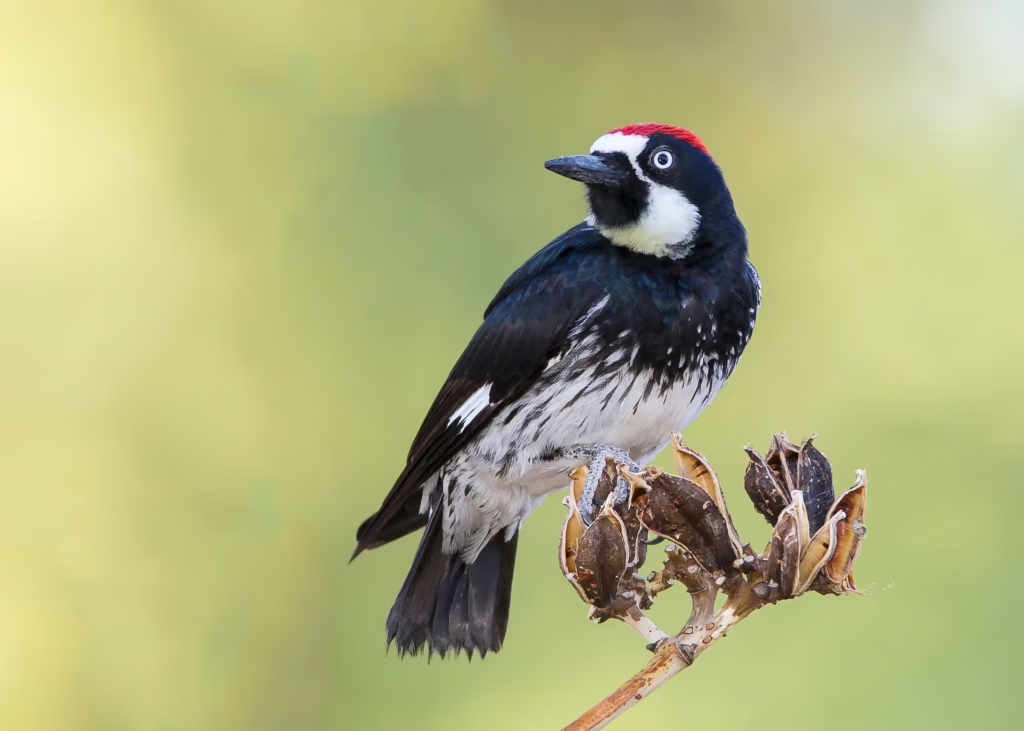
The Acorn Woodpecker is a medium-sized, social woodpecker known for its clown-like face and unique habit of storing acorns in tree trunks. It lives in oak woodlands and is famous for creating “granary trees” filled with thousands of stored acorns.
Average size & weight
- Length: 7 to 9 inches (18–23 cm)
- Wingspan: 13 to 17 inches (33–43 cm)
- Weight: 2.3 to 3.2 ounces (65–90 grams)
Lifespan
5 to 10 years
Color variations
The Acorn Woodpecker has a bold and colorful pattern with a black back, white forehead, and pale eyes. Its face shows a striking combination of white, black, and red, with males having a red crown and females having a smaller red patch separated by black.
Habitat
- Highly social, often lives in family groups
- Stores acorns in holes in “granary trees”
- Communicates with loud, sharp calls
Health
Common Health Issues:
Granary tree issues: stored acorns may attract mold or bacteria.
Prone to mite infestations in nesting cavities.
Injuries from territorial disputes within social groups.
Prevention & Care:
Maintain healthy oak trees for safe granaries.
Avoid using chemical sprays on oak trees.
Monitor for overcrowding in nesting areas.
Signs of Illness:
Less active or missing from usual group spots
Feather loss or unusual coloring on wings/back
Weak or slow feeding
White-breasted Nuthatch
White-breasted Nuthatch
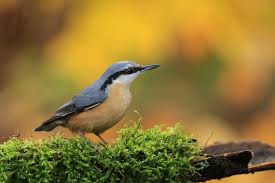
The White-breasted Nuthatch is a small, agile songbird known for its habit of climbing down tree trunks headfirst. It is commonly found in deciduous forests and suburban areas with mature trees.
Average size & weight
Length: 5 to 6 inches (12–15 cm)
Wingspan: 8 to 10 inches (20–25 cm)
Weight: 0.6 to 1 ounce (17–28 grams)
Lifespan
2 to 5 years
Color variations
Color variations
The White-breasted Nuthatch has a blue-gray back and wings, a white face and underparts, and a black cap and nape. Some subspecies show reddish-brown on the flanks, while juveniles appear slightly duller than adults.
Habitat
Climbs tree trunks and branches, often headfirst
Forages actively for insects, seeds, and nuts
Sometimes hangs upside down while feeding
Health
Common Health Issues:
Can pick up mites or lice while foraging under bark.
Vulnerable to bacterial infections from sap or insect prey.
Injuries from collisions with windows during rapid flight.
Prevention & Care:
Provide clean water and bird feeders.
Preserve mature trees for foraging and nesting.
Use bird-safe window treatments in urban areas.
Signs of Illness:
Fluffed feathers or lethargy
Difficulty climbing or clinging to bark
Skipping feeding sessions
Dark-eyed Junco
Dark-eyed Junco
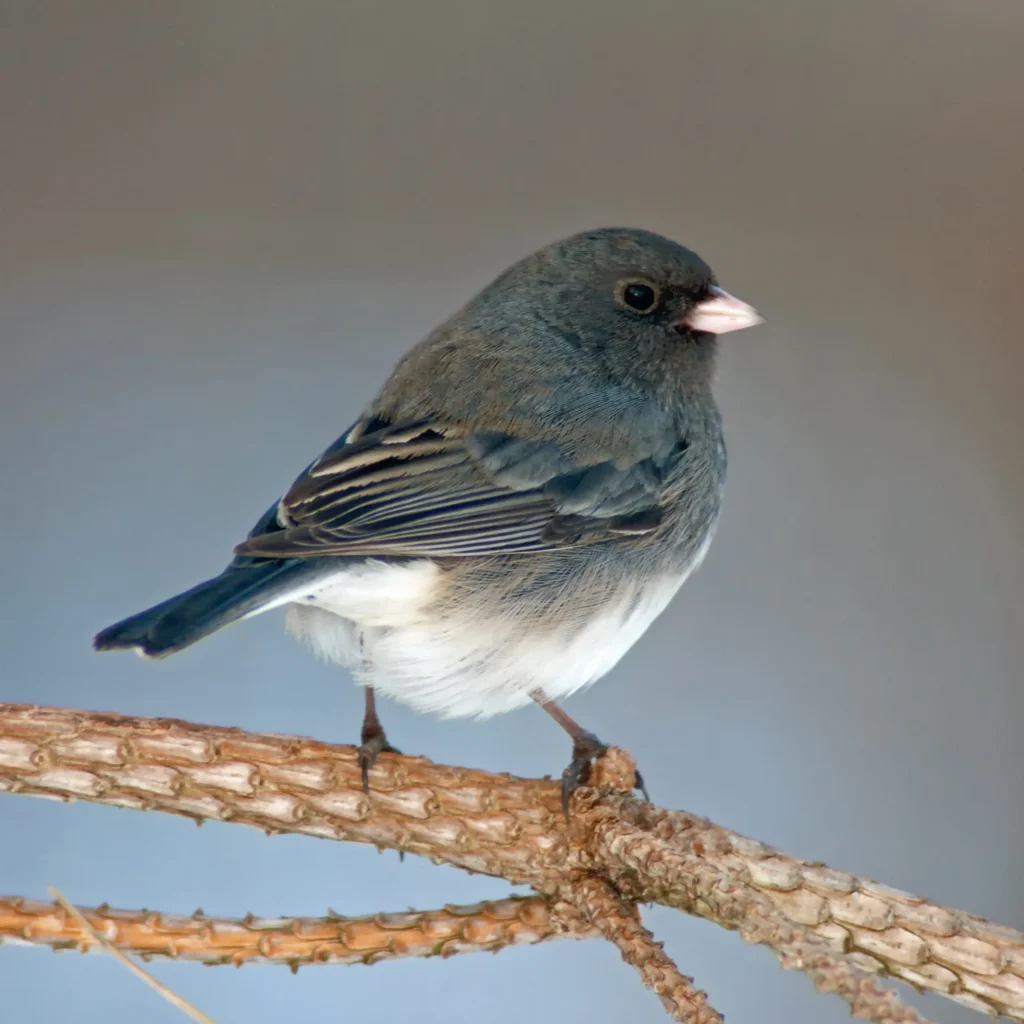
The Dark-eyed Junco is a small, sparrow-like songbird common across North America. It is often seen hopping on the ground in search of seeds and insects and is a familiar winter visitor at bird feeders.
Average size & weight
Length: 5 to 6.5 inches (13–16.5 cm)
Wingspan: 7.5 to 9.8 inches (19–25 cm)
Weight: 0.6 to 1 ounce (16–28 grams)
Lifespan
3 to 9 years
Color variations
The Dark-eyed Junco typically has a gray or brown back, pale underparts, and a pinkish bill. Some subspecies show darker hoods or rufous sides, and juveniles appear duller than adults.
Habitat
- Forages mostly on the ground, hopping and scratching for seeds
- Often seen in flocks, especially in winter
- Migrates south in cold months, depending on the region
Health
Common Health Issues:
Ground foragers → prone to soil-borne parasites and bacterial infections.
Stress from harsh winter conditions or crowded feeders.
Predation from cats or raptors.
Prevention & Care:
Keep feeding areas clean and spread out to reduce crowding.
Provide fresh water, especially in winter.
Protect ground cover to reduce predator risk.
Signs of Illness:
Lethargy or staying in unusual spots
Sparse or dirty feathers
Reduced hopping or foraging
Bewick's Wren
Bewick's Wren
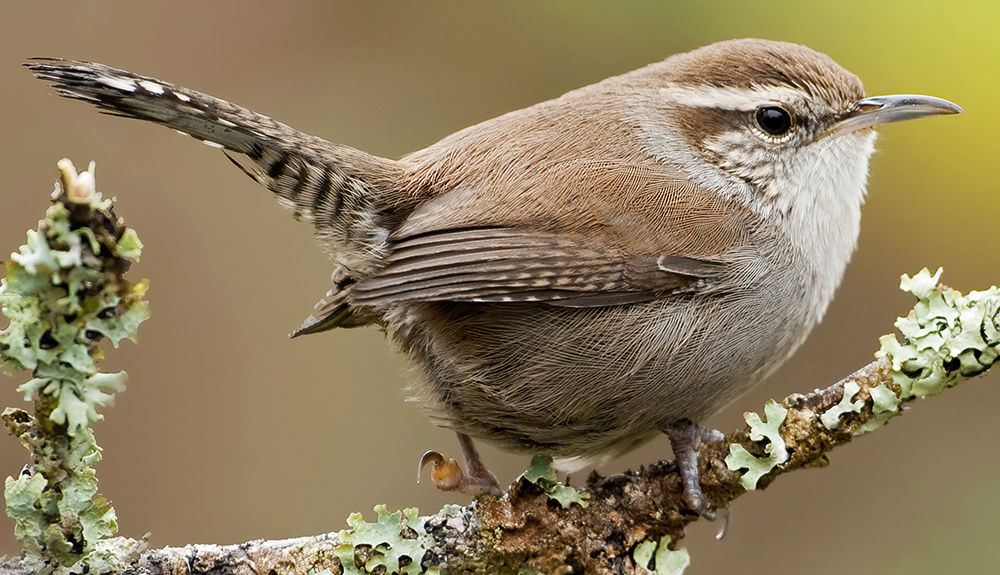
The Bewick’s Wren is a small, energetic songbird native to North America. Known for its long tail, which it often cocks upward, it inhabits brushy areas, open woodlands, and gardens, singing loud, varied songs.
Average size & weight
- Length: 4.5 to 5.5 inches (11–14 cm)
- Wingspan: 6.5 to 8.7 inches (16–22 cm)
- Weight: 0.3 to 0.5 ounces (9–14 grams)
Lifespan
2 to 5 years
Color variations
The Bewick’s Wren has brown upperparts and a pale, whitish underbody. Its face features a distinct white eyebrow stripe, and the long tail shows white tips. Juveniles appear slightly duller than adults.
Habitat
- Very active and quick, often seen hopping or flitting among shrubs
- Frequently cocks its long tail upward
- Sings loud, complex, and varied songs
Health
Common Health Issues:
Prone to mite infestations due to nesting in dense shrubs or cavities.
Small size makes them vulnerable to predation and environmental stress.
Can be affected by bacterial infections if food sources are scarce.
Prevention & Care:
Provide nest boxes or dense shrub cover.
Avoid pesticide use in backyard habitats.
Offer safe feeding spots away from predators.
Signs of Illness:
Fluffed or ruffled feathers
Rarely singing or active during day
Weak hopping or movement
Blackbirds
Blackbirds
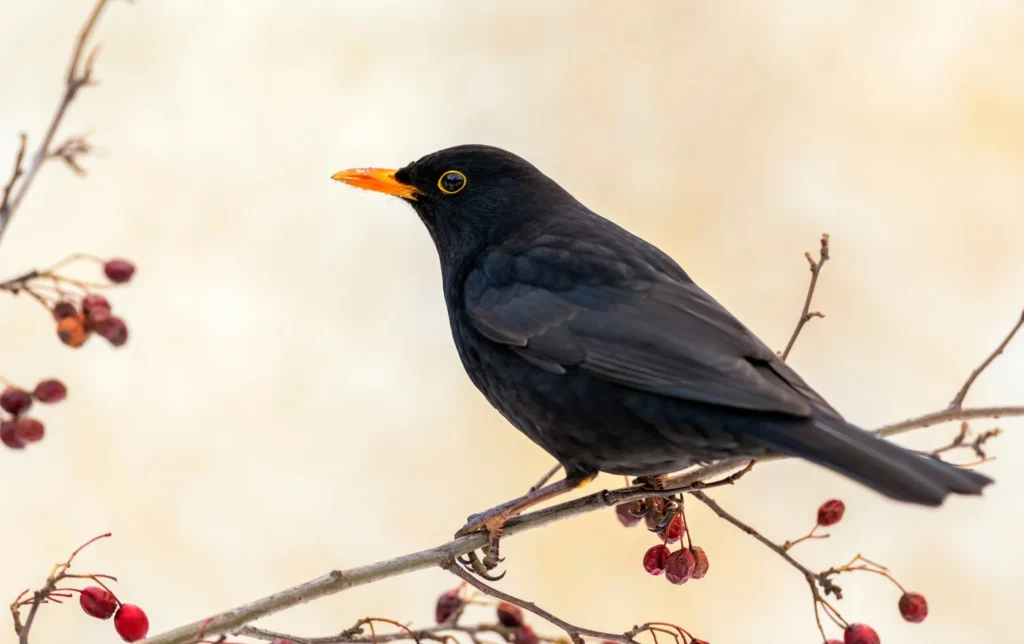
The Blackbird is a medium-sized songbird widely known for its entirely black plumage in males and melodious singing. Females are usually brown with a slightly mottled appearance. They are common in gardens, woodlands, parks, and farmland across Europe and parts of Asia.
Average size & weight
- Length: 9.5 to 11 inches (24–28 cm)
- Wingspan: 12.5 to 15.5 inches (32–39 cm)
- Weight: 2.1 to 3.5 ounces (60–100 grams)
Lifespan
2 to 5 years
Color variations
Male Blackbird is glossy black with a bright yellow-orange beak and eye-ring, while females are dark brown with slightly lighter underparts. Juveniles are mottled brown with streaks for camouflage.
Habitat
- Gardens, parks, and farmland
- Woodlands and hedgerows
- Urban areas with trees and shrubs
Health
Susceptible to avian pox and salmonella in crowded urban habitats.
Predation by cats or larger birds.
Injuries from collisions with windows and vehicles.
Prevention & Care:
Keep feeding areas clean and well-spaced.
Provide natural cover like trees or hedges.
Limit human disturbances in nesting areas.
Signs of Illness:
Weak hopping on ground or reduced singing
Fluffed feathers or unusual droppings
Hesitation to fly or forage
Starling
Starling
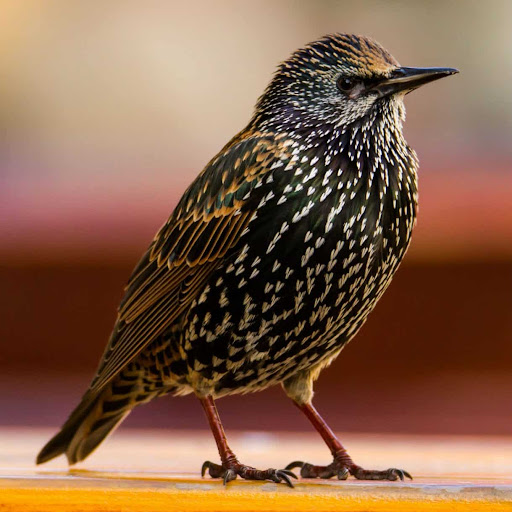
The European Starling is a medium-sized, highly social bird known for its glossy, iridescent plumage and noisy, varied calls. It is widespread in urban, suburban, and rural areas and often forms large, coordinated flocks called murmurations.
Average size & weight
Length: 7.5 to 9 inches (19–23 cm)
Wingspan: 12 to 16 inches (30–40 cm)
Weight: 2.3 to 3.2 ounces (65–90 grams)
Lifespan
2 to 6 years
Color variations
The European Starling has glossy black feathers with a metallic sheen of green and purple. In breeding season, small white spots may appear on their body. Males and females look similar, though males are slightly larger and more iridescent. Juveniles are dull brown.
Habitat
Found in urban, suburban, and rural areas
Common in parks, gardens, farmland, and open fields
Roosts in trees, buildings, and dense shrubs
Health
Common Health Issues:
Highly social → risk of disease spread like avian influenza or mites.
Injuries from large flock collisions or predation.
Digestive issues from eating spoiled food scraps.
Prevention & Care:
Maintain clean feeders and water sources.
Avoid feeding processed human foods.
Preserve trees and shrubs for roosting.
Signs of Illness:
Isolation from flock or reduced vocalization
Fluffed feathers or dull plumage
Weak flight or irregular movement