Gmail - piyushjoshi2324@gmail.com
Contact- +91 991779100177

Happy Birds, Happy Home: A Complete Bird Training Guide
Discover how to build a strong bond with your feathered friend through effective bird training. From basic commands to fun tricks, our complete guide offers step-by-step tips, expert advice, and species-specific techniques to ensure your bird is happy, healthy, and well-behaved. Perfect for beginners and experienced bird owners alike
Why Bird Training is Important
Bird training isn’t just about teaching tricks—it’s essential for your bird’s well-being and happiness. Proper training helps:
1. Build Trust and Bonding
Training strengthens the relationship between you and your bird, making them feel safe and loved.
2. Improve Behavior
Birds that are trained are less likely to bite, scream excessively, or develop destructive habits.
3. Provide Mental Stimulation
Training exercises keep your bird’s mind active, preventing boredom and promoting natural behaviors.
4. Enhance Communication
Training helps you understand your bird’s cues and improves your ability to guide their actions.
5. Ensure Safety
A trained bird is easier to handle during vet visits, grooming, or emergencies.
Basic Commands Every Dog Should Learn
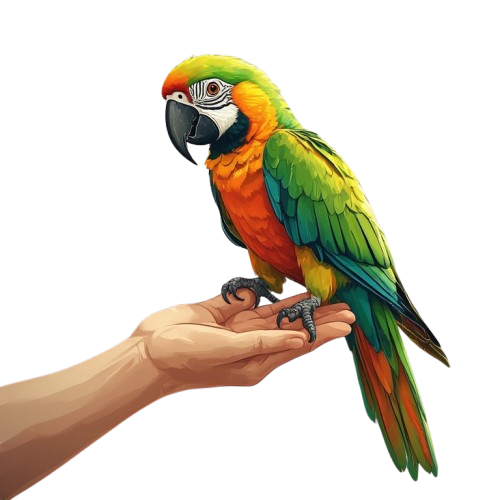
1. Step Up / Step Down
Step Up / Step Down teaches your bird to safely move onto your hand or a perch, making handling and bonding easier.
Tip:
“Use a gentle voice and a treat as a reward each time your bird steps up. Keep sessions short and consistent for best results.”
2. Come
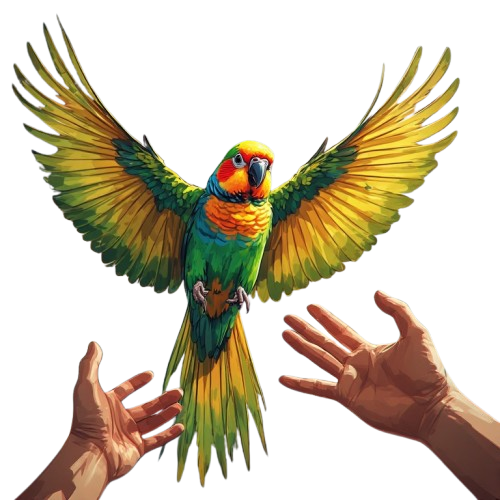
Come / Recall teaches your bird to come to you on command, improving safety and strengthening your bond.
Tip:
“Use a cheerful voice and hold out a favorite treat or toy to encourage your bird to fly or walk toward you. Reward immediately when it responds correctly.”
3. Stay
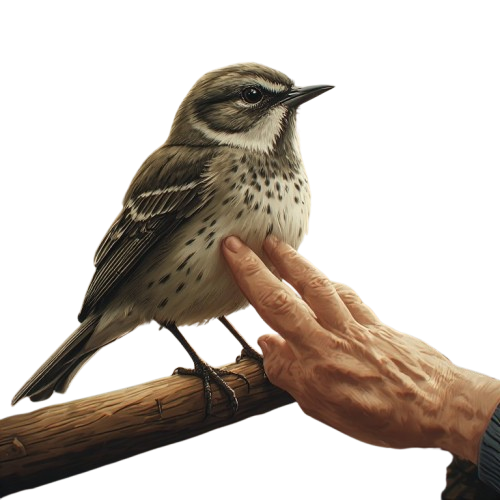
Stay / Wait teaches your bird to remain in one spot until given permission to move, helping with safety and self-control.
Tip:
“Start with short intervals and gradually increase the time. Reward your bird immediately for staying calm and still.”
4. No
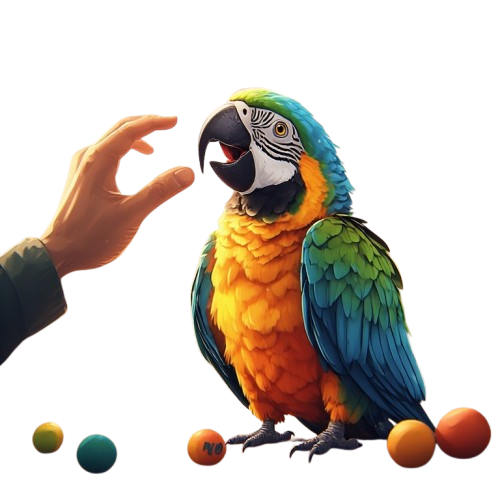
No / Stop helps your bird understand which behaviors are unwanted, promoting good manners and safety.
Tip:
“Use a firm but gentle voice, pair it with positive reinforcement for correct behavior, and never punish your bird physically.”
5. Target Training
Target Training teaches your bird to touch an object, like a stick or ball, on command, which helps guide movement and enables fun tricks.
Tip:
“Use a small, colorful target and reward your bird immediately when it touches it. Keep sessions short and positive to build confidence.”
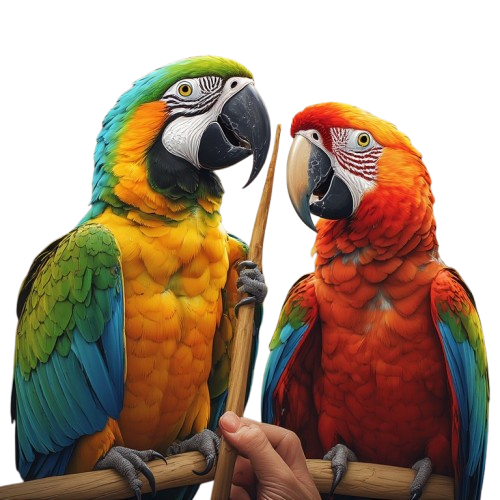
Bird Training Tips: A Complete Guide
Training your bird can be a fun and rewarding experience for both you and your feathered friend. With patience, consistency, and positive reinforcement, you can teach your bird essential commands, fun tricks, and good habits. Here’s a complete guide to help you get started:
1. Start with Trust
Building trust is the foundation of bird training. Birds need to feel safe and comfortable around you before they can learn commands or tricks. Spend quiet time near your bird, speak softly, and allow it to explore your hand or finger at its own pace.
2. Keep Training Sessions Short
Birds have short attention spans, so brief, focused sessions are more effective than long ones. Short sessions prevent stress and keep your bird engaged.
3. Use Positive Reinforcement
Rewarding desired behavior encourages learning. Positive reinforcement builds confidence, strengthens your bond, and makes training enjoyable for your bird.
4. Be Consistent
Consistency helps your bird understand what is expected. Using the same commands, gestures, and rewards prevents confusion and speeds up learning.
5. Be Patient
Every bird learns at its own pace. Patience is key to helping your bird succeed without stress or frustration.
6. Observe Your Bird
Paying attention to your bird’s body language and behavior helps you understand when it’s ready to learn or needs a break.
7. Incorporate Fun Tricks
Teaching tricks keeps your bird mentally stimulated and adds fun to your training routine. Tricks also strengthen communication and engagement.
Bird Behavioral Training
- Observe body language: Learn to recognize signs of stress, such as ruffled feathers or pinned pupils, to avoid agitation.
- Establish trust first: Spend time near the cage without forcing interaction to help your bird feel secure in your presence.
- Use positive reinforcement: Reward desired behaviors with favorite treats like millet, sunflower seeds, or small fruit bits.
- Avoid physical punishment: Never strike or yell at a bird; this destroys trust and can lead to biting or feather plucking.
- Manage biting and screaming: Instead of reacting, calmly ignore the behavior and reward the bird when it is quiet or gentle.
- Target training: Use a small stick (target) to guide your bird’s movement, which helps in teaching them to “step up” or return to the cage.
- Provide mental stimulation: Offer a variety of foraging toys and rotate them weekly to prevent boredom and destructive chewing.
- Socialization is vital: Gently expose your bird to different people and environment sounds to build confidence.
- Consistency in cues: Use the same verbal commands and hand signals every time to avoid confusing your pet.
- Short, frequent sessions: Limit training to 5–10 minutes a day to keep the bird focused without causing fatigue.
- Celebrate small wins: Even a tiny step toward a new command deserves a reward and praise.
- Patience and calm energy: Birds are highly sensitive to human emotions; staying relaxed ensures a more successful session.
Common Mistakes to Avoid
- Using punishment or yelling
- Inconsistency in commands or routines
- Overfeeding treats
- Expecting too much too quickly
Bird Species-Specific Tips
- Parrots: Very social, love talking and mimicry
- Canaries: Better for visual cues, less interactive
- Finches: Not typically hand-trained but can learn to perch and fly
Conclusion
Training your bird is more than just teaching tricks—it’s about building trust, strengthening your bond, and ensuring a happy, healthy life for your feathered friend. By using consistent methods, patience, and positive reinforcement, you can guide your bird toward good behavior, mental stimulation, and enjoyable interaction. Every bird learns at its own pace, so celebrate small victories and enjoy the journey together