Gmail - piyushjoshi2324@gmail.com
Contact- +91 991779100177

Cat Training Guide: How to Make Your Cat Smart and Obedient
Why Dog Training is Important
Cat training is essential for creating a happy, safe, and stress-free environment for both you and your pet. While many people think cats cannot be trained, the truth is that with the right approach, cats can learn good behavior and follow routines.
1. Controls Bad Behavior
Training helps prevent issues like scratching furniture, biting, or jumping in unwanted places. It teaches your cat what is right and wrong in a simple way. This makes your cat more well-behaved and easier to manage at home.
2. Improves Hygiene
Training helps your cat use the litter box properly and maintain cleanliness. It keeps your home clean and free from bad smells. Good hygiene habits also keep your cat healthy.
3. Strengthens Bond with Your Cat
Training builds trust and understanding between you and your cat. Your cat starts recognizing your voice and commands. This creates a stronger and happier relationship.
4. Keeps Your Cat Safe
Training teaches your cat to avoid dangerous behaviors like running outside or eating harmful things. It helps them stay safe inside the home. A trained cat is more aware and careful.
5. Reduces Stress
Training creates a routine that makes your cat feel secure. It reduces confusion and unwanted behavior. A calm cat leads to a peaceful home environment.
Basic Commands Every Cat Should Learn
1. Sit
Teaching your cat to sit on cue helps keep them calm and controlled. It is especially useful during feeding, grooming, or when guests visit. Use treats and positive reinforcement to make it easy for your cat to learn.

2. Come
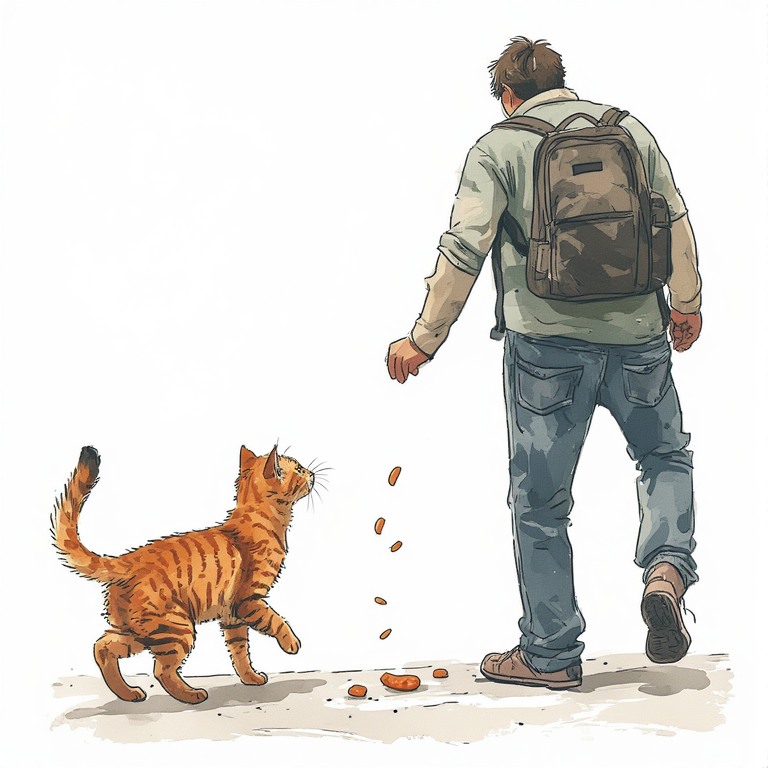
The “come” command is essential for safety. It helps you call your cat to you, whether for feeding, playtime, or to prevent accidents. Start with short distances and gradually increase.
3. No
“No” teaches your cat to stop unwanted behaviors such as biting, scratching, or jumping on counters. Use a firm but gentle voice and redirect their attention to toys or scratching posts.

4. Stay
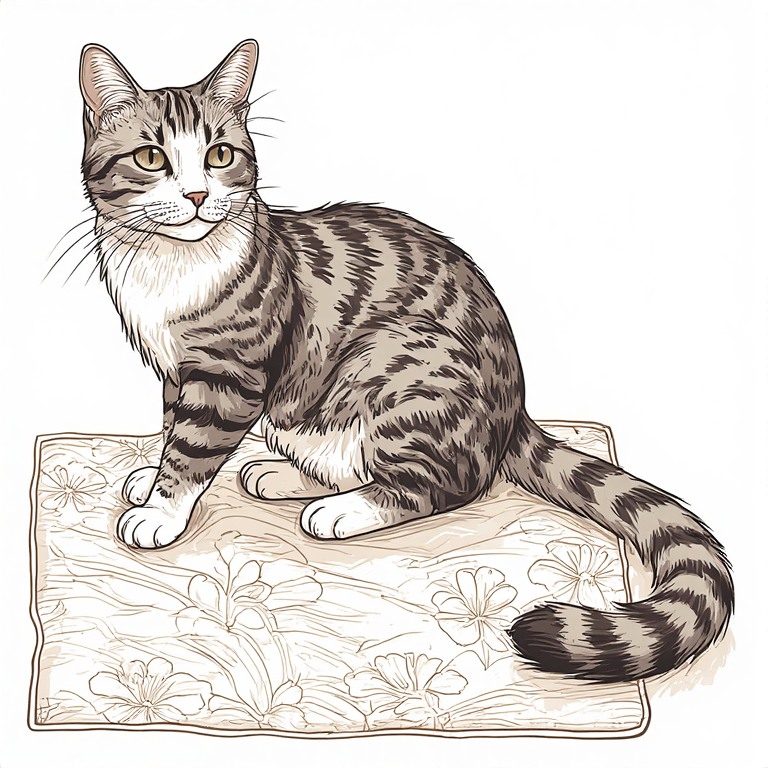
“Stay” trains your cat to remain in one place. This is helpful during vet visits, grooming, or when you want to prevent them from running around the house. Start with a few seconds and gradually increase the time.
5. High-Five
A fun trick that keeps your cat mentally stimulated. Reward them with treats each time they touch your hand. It’s a great way to bond while also exercising their mind.

Cat Training Tips: A Complete Guide
Training your cat may seem challenging, but with patience, consistency, and positive reinforcement, you can teach your cat good habits, reduce bad behavior, and create a happy home for both of you. Here’s a complete guide with tips and techniques that actually work.
1. Start Early
Kittens are easier to train because they are more curious and adaptable. Starting early helps them develop good habits that last a lifetime. Adult cats can also learn, but it requires more patience and shorter, consistent sessions.
2. Socialization is Key
- Introduce new people and environments slowly.
- Let your cat adjust at its own pace.
- Reward calm behavior.
3. Housebreaking
- Establish a consistent routine by placing your cat in the litter box after meals and naps.
- Keep the litter box clean and in a quiet location.
- Reward immediately when your cat uses it correctly.
- Be patient—handle accidents without punishment.
4. Positive Reinforcement
- Reward good behavior with treats or praise.
- Avoid punishment—it creates fear.
- Make training enjoyable.
5. Teach Basic Commands Early
- Start with simple commands like “Come” or “No.”
- Use consistent signals and rewards.
- Practice daily in short sessions.
6. Litter Training is Essential
- Place the litter box in a quiet area.
- Clean it regularly.
- Guide your cat gently if accidents happen.
7. Control Scratching Behavior
- Provide scratching posts or pads.
- Encourage use with rewards.
- Protect furniture with deterrents.
8. Bite Inhibition
- Avoid using your hands during play—use toys instead.
- Stop play immediately if your cat bites or becomes too rough.
- Reward gentle behavior with treats or praise.
- Be consistent so your cat learns that biting is not acceptable.
Cat Behavioral Training
- Use positive reinforcement like treats and praise to encourage good behavior.
- Identify the root cause of unwanted actions such as stress, boredom, or fear.
- Redirect behavior to appropriate alternatives like toys or scratching posts.
- Avoid punishment—it can increase anxiety and aggression.
- Be consistent and patient, as behavior change takes time.
Key Takeaways:
- Cats can be trained with patience, consistency, and positive reinforcement.
- Keep training sessions short, simple, and regular.
- Always reward good behavior and avoid punishment.
- Understand your cat’s behavior and respond accordingly.
- Provide a stimulating environment to prevent unwanted habits.