Gmail - piyushjoshi2324@gmail.com
Contact- +91 991779100177

Top - 20 Dog Breeds
Border Collie
Border Collie
The Border Collie originated in the border region of Scotland and England, which is why it is called Border Collie. It was mainly bred to herd sheep and help farmers manage livestock.
Physical Characteristics
Border Collies are medium-sized dogs with a well-balanced and athletic build. Their bodies are designed for speed, endurance, and agility.
Height: 18–22 inches (46–56 cm)
Weight: 12–20 kg
Coat types: Rough coat or smooth coat
Common colors: Black and white, red and white, merle, tricolor
Life expectancy: 12–15 years
Life of a Border Collie
12 to 15 years
Colors
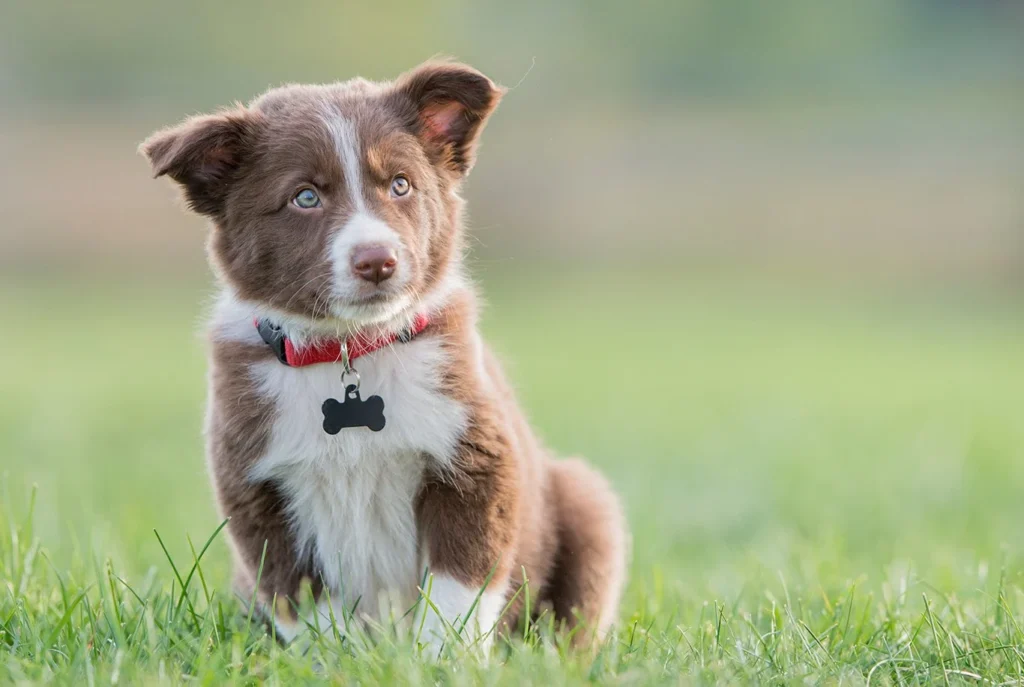
Border Collies have coats that appear in many different colors and patterns. Some of the most common colors include black, blue, red, gold, brindle, lilac, seal, and slate. In addition to solid colors, many Border Collies also have patterns such as merle, sable, or combinations of multiple shades.
Their coats may also feature distinctive markings. Some dogs have tan points, while others display white patches on the chest, legs, face, or tail. In certain cases, the white areas may show small colored speckles known as ticking, which adds even more variation to their appearance.
Health
Border Collies are generally considered a strong and healthy breed. However, like many purebred dogs, they may be susceptible to certain genetic health conditions.
Some health issues that can occur in Border Collies include hip dysplasia, progressive retinal atrophy, deafness, epilepsy, collie eye anomaly, neuronal ceroid lipofuscinosis, and trapped neutrophil syndrome. Reputable and responsible breeders usually perform health screenings and genetic testing on their breeding dogs to reduce the risk of these inherited conditions.
Facts
- Border Collies became more popular in the 19th century after Queen Victoria developed a strong admiration for the breed.
- The word “Collie” originates from Scotland and was traditionally used to refer to sheep-herding dogs.
- Before being called Border Collies, the breed was commonly known as the “Scotch Sheep Dog.”
- Border Collies appeared in the popular family movie Babe, where they were shown as intelligent and hardworking farm dogs.
- A Scottish poet laureate from the 18th century once described the nature of these dogs as loyal, honest, and faithful.
Boston Terrier
Boston Terrier
The Boston Terrier is a small, friendly, and intelligent dog breed that originally came from the United States. It is often called the “American Gentleman” because of its black-and-white coat that looks like a tuxedo.
Physical Characteristics
- Size: Small dog
Height: About 15 to 17 inches tall
Weight: Around 15 to 25 pounds
Coat: Short and smooth hair
Energy: Medium energy level
Activities: Enjoys training, playing, agility activities, and therapy work
Life of a Boston Terrier
11 to 15 Years
Colour
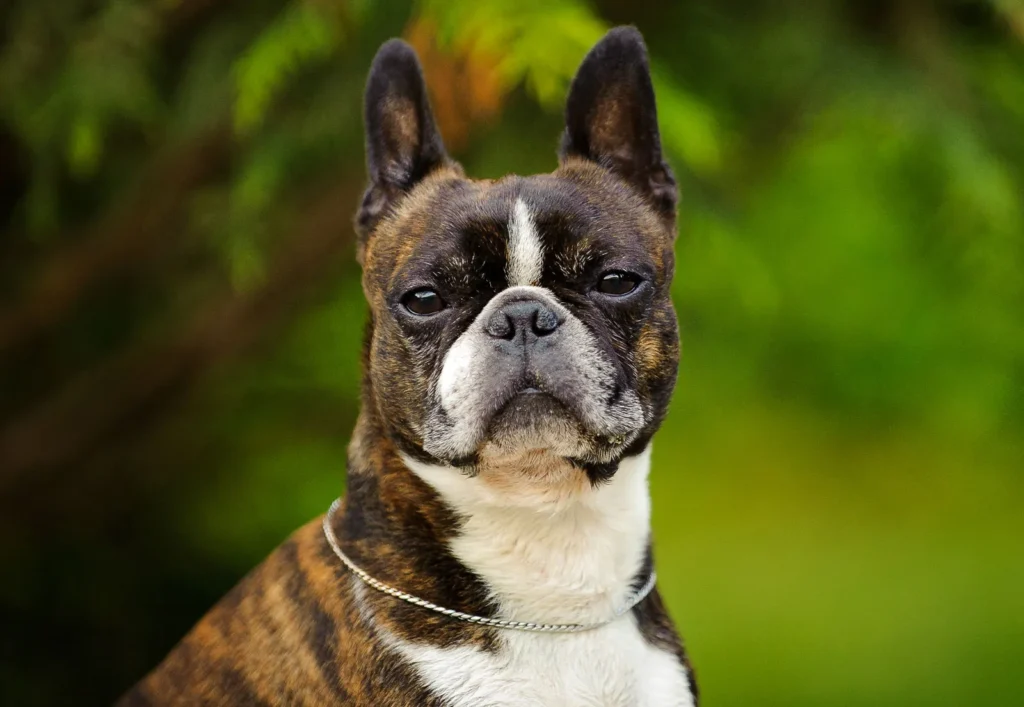
Most Boston Terriers have a black and white coat, but they can also come in brindle and white or seal and white colors. These coats usually have distinct white markings on the face, chest, and legs.
Health
Boston Terriers may sometimes have eye issues, so it is important to check their eyes regularly for redness or irritation. They can also develop patellar luxation, a knee joint problem seen in small dogs. Since Boston Terriers have a short, flat face, they may find it difficult to breathe in very hot or humid weather, so they should be kept in a cool and comfortable environment.
Facts
The Boston Terrier was originally known as the American Bull Terrier.
The breed was developed in the United States after the Civil War.
It was created by crossing an English Bulldog with a White English Terrier.
Over time, the Boston Terrier became a popular companion dog because of its friendly nature.
The Boston Terrier has been the official mascot of Boston University for nearly 100 years.
In 1979, it was named the official state dog of Massachusetts.
Boxer
Boxer
The Boxer is a medium to large-sized dog breed known for its strong body, playful nature, and loyal personality. The breed originated in Germany and was developed from the Bullenbeisser and Bulldog. Boxers are energetic, intelligent, and very protective of their families, which makes them great guard dogs and family companions.
Physical Characteristics
Lorem ipsum dolor sit amet, consectetur adipiscing elit. Ut elit tellus, luctus nec ullamcorper mattis, pulvinar dapibus leo.
Life of a Boxer
10 to 12 years
Colour
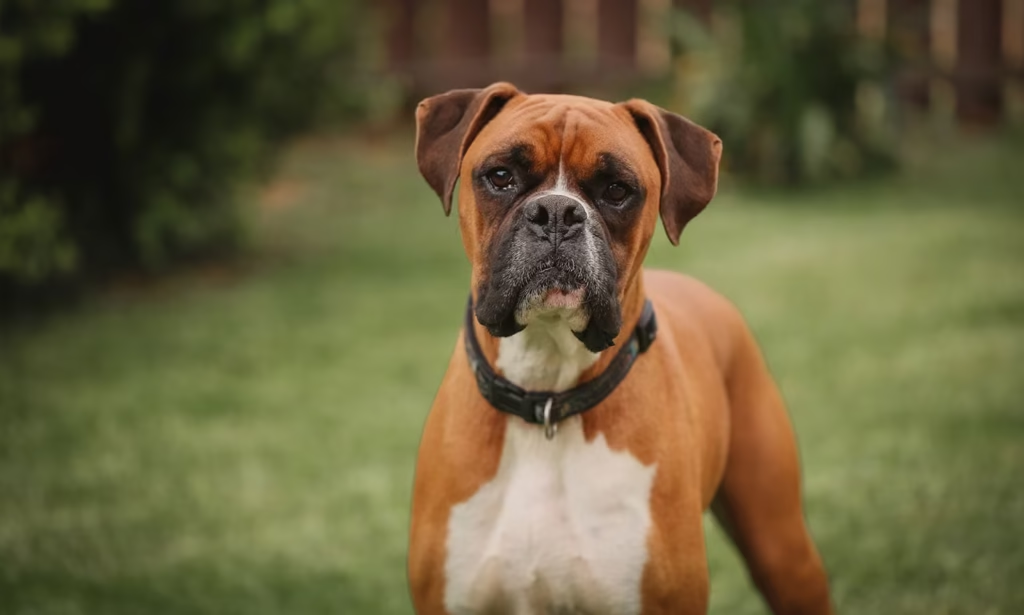
Standard coat colors for this breed include fawn or brindle with white markings.
Coat Shedding
The Boxer’s short coat requires very little grooming and sheds occasionally, making regular brushing an important part of proper pet care.
Health
Boxers can be prone to certain health issues such as hip dysplasia, heart problems, thyroid disorders, and some types of cancer. Responsible breeders often perform regular health screenings to help maintain the overall health of the breed.
Boxers are also sensitive to extreme temperatures, so it is important to avoid exercising them in very hot or very cold weather.
Facts
Boxers are a strong and intelligent breed that were among the first dogs trained for police work in Germany. The name “Boxer” comes from their playful behavior of using their front paws while playing or defending themselves, which looks similar to boxing.
This breed is closely related to many bulldog-type dogs, sharing similar strength and loyalty. For proper care of pet, Boxer dogs need regular exercise, a balanced diet, and routine health checkups. Good pet care also includes providing a comfortable environment and protecting them from extreme heat or cold.
Brittany
Brittany
The Brittany is a medium-sized hunting dog that originated in France. It is known for its high energy, intelligence, and friendly nature. Brittany dogs are very active and love outdoor activities, making them great companions for active families. With proper pet care, training, and regular exercise, they can become loyal and affectionate pets.
Physical Characteristics
Size:
Medium
Height:
About 17.5–20.5 inches tall
Weight:
Around 30–40 pounds
Coat:
Feathered coat that can be flat or slightly wavy
Color:
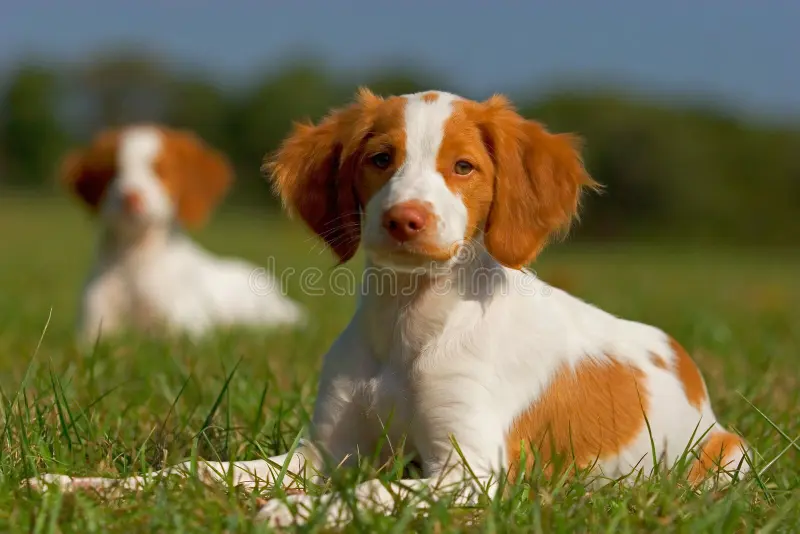
Usually orange and white or liver and white
Energy Level:
High energy dog
Activities:
Good for hunting, training, field games, and dog shows
Life of a Brittany dog
12 to 14 years
Coat Shedding
The Brittany dog has a medium-length coat that sheds moderately throughout the year. Regular brushing once or twice a week helps remove loose hair and keeps the coat clean and healthy. Proper pet care and grooming can also reduce excess shedding
Health
Brittany dogs are generally healthy, but they can sometimes develop certain health issues such as hip dysplasia, epilepsy, and eye problems. Responsible breeders often perform health checks to reduce the risk of these conditions.
For good pet care, Brittany dogs should receive regular veterinary checkups, proper nutrition, and daily exercise. Providing a healthy environment and routine care helps keep them active and healthy.
Facts
The Brittany is one of the most popular bird hunting dogs in the world.
This breed is known for its high energy and intelligence, making it easy to train.
Brittany dogs are very friendly and affectionate, which makes them great family pets.
They love outdoor activities like running, hiking, and playing games.
With proper pet care and exercise, Brittany dogs stay happy, healthy, and active.
Chinese Shar-Pei
Chinese Shar-Pei
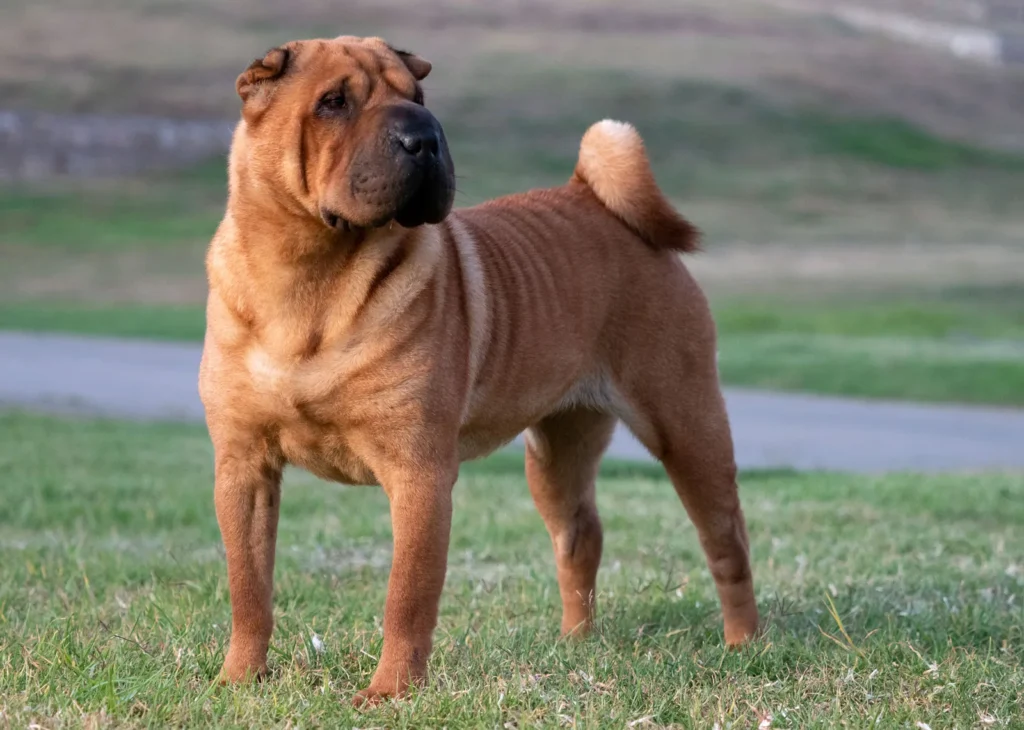
The Chinese Shar-Pei is a unique dog breed originally from China. It is famous for its deep wrinkles and loose skin, which give it a very distinctive appearance. Shar-Pei dogs are known for being loyal, calm, and protective of their families.
This breed is usually independent but very devoted to its owner. With proper pet care, training, and socialization, the Chinese Shar-Pei can be a loving and reliable companion.
Physical Characteristics
Size:
Medium
Height:
About 18–20 inches tall
Weight:
Around 45–60 pounds
Coat:
Short coat
Color:
Can be any solid color or sable
Energy Level:
Medium energy
Activities:
Good at agility, obedience training, tracking, and dog shows
Life of a Chinese Shar-Pei dog
8 to 12 years
Health
The Chinese Shar-Pei is usually a healthy dog, but it can sometimes face problems like skin infections, eye issues, hip dysplasia, and a condition known as Shar-Pei fever. Because this breed has many wrinkles, dirt and moisture can collect in the skin folds, so they need to be cleaned regularly.
Facts
The Chinese Shar-Pei is famous for its wrinkled skin and unique look.
This breed originally comes from China and was used as a guard dog.
Shar-Pei dogs are loyal, calm, and protective of their families.
Proper pet care and grooming are important for keeping a Shar-Pei dog healthy.
Chow Chow
Chow Chow
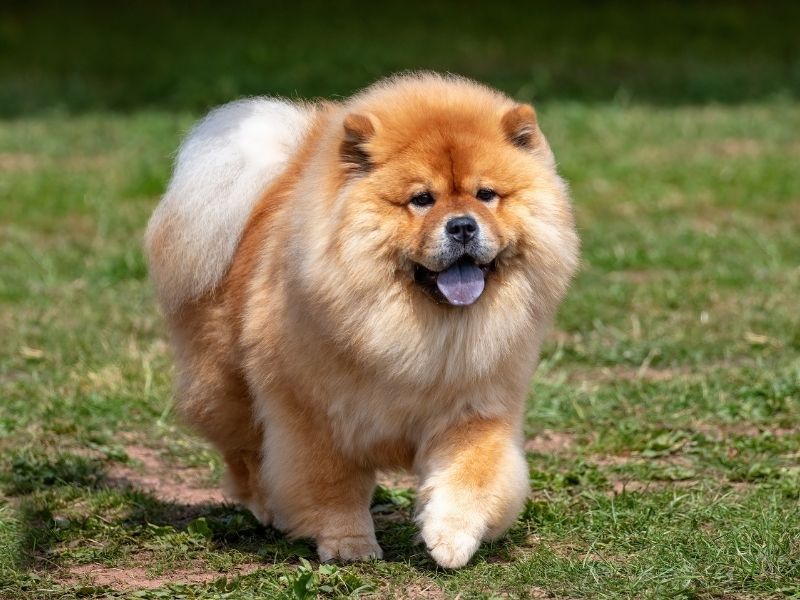
The Chow Chow is an ancient dog breed from China, known for its lion-like appearance and thick fluffy coat.
It is famous for its unique blue-black tongue and strong, loyal personality.
Chow Chows are independent, protective, and good guard dogs, but they need proper training and grooming. 🐕
Physical Characteristics
Size: Medium-sized dog breed.
Height: Males are about 19–22 inches tall, while females are around 18–20 inches.
Weight: Males weigh about 57–70 pounds, and females weigh around 44–55 pounds.
Coat: They have a thick, medium-length double coat that looks fluffy.
Energy Level: They have moderate energy and enjoy regular activity.
Activities: They can take part in obedience training, rally obedience, and dog shows.
Life of a Chow Chow dog
8 to 12 years
Colors
Chow Chows are commonly found in red, black, blue, cinnamon, or cream colors.
Health
Here is a rewritten, SEO-friendly version you can use on your website:
Health Issues in Chow Chows:
The Chow Chow does not tolerate high heat and humidity very well because of its thick coat. This breed may also be prone to certain health problems such as hip dysplasia, elbow dysplasia, eye conditions, patellar luxation, and thyroid disorders. Choosing a responsible and reputable breeder can help reduce the risk of these genetic health issues and ensure a healthier puppy.
Facts
Martha Stewart has kept several Chow Chows as pets, and they have even appeared on her television shows.
Many pet owners believe this breed is quite tidy compared to many other dogs.
Cockapoo
Cockapoo
The Cockapoo is a friendly designer dog, a mix between a Cocker Spaniel and a Poodle.
They are intelligent, affectionate, and great with families.
Cockapoos have a soft, low-shedding coat and are easy to train.
Physical Characteristics
Got it! Here’s the Cockapoo physical characteristics in the same format:
Size:
Small to medium-sized dog breed.
Height:
Usually around 10–15 inches.
Weight:
Typically between 12–24 pounds, depending on parent size.
Coat:
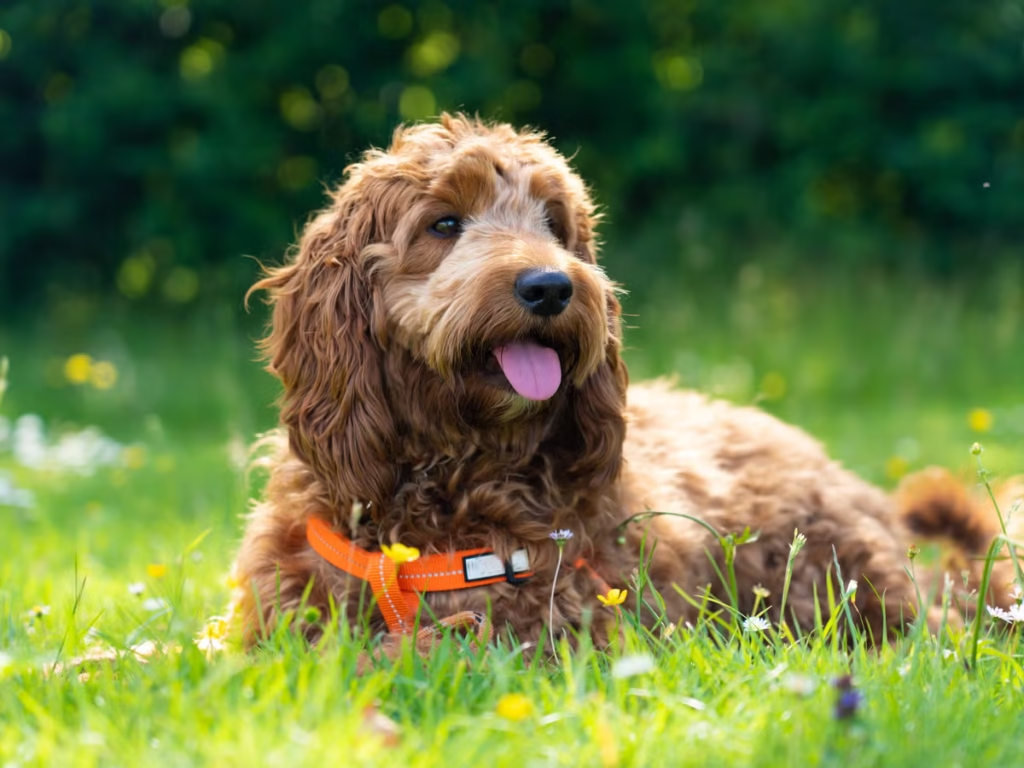
Soft, wavy or curly, and low-shedding.
Colors:
Can be black, white, brown, cream, apricot, or a mix.
Build:
Sturdy and compact.
Eyes:
Dark and round, expressive.
Ears:
Long and floppy. 🐶
Life of a Cockapoo dog
12 to 15 years
Health
Cockapoos are generally considered a healthy and hardy breed. However, like many dogs, they can be prone to certain genetic or inherited health conditions.
Some health issues that may occur in Cockapoos include hip dysplasia, patellar luxation, eye problems (such as cataracts and progressive retinal atrophy), allergies, and ear infections. Choosing a responsible breeder who performs health screenings can help reduce the risk of these conditions.
Facts
Cockapoos are a designer breed, a mix of a Cocker Spaniel and a Poodle.
They are friendly, affectionate, and great with families.
Cockapoos are intelligent and easy to train.
Labrador
Labrador
The Labrador Retriever is a friendly, intelligent, and energetic breed, popular as a family pet and working dog. They are loyal, easy to train, and great with children and other pets. Labradors have a short, dense coat, are strong swimmers, and enjoy active play and outdoor activities.
Physical Characteristics
Size: Large
Height: Males 22.5–24.5 in, Females 21.5–23.5 in
Weight: Males 65–80 lbs, Females 55–70 lbs
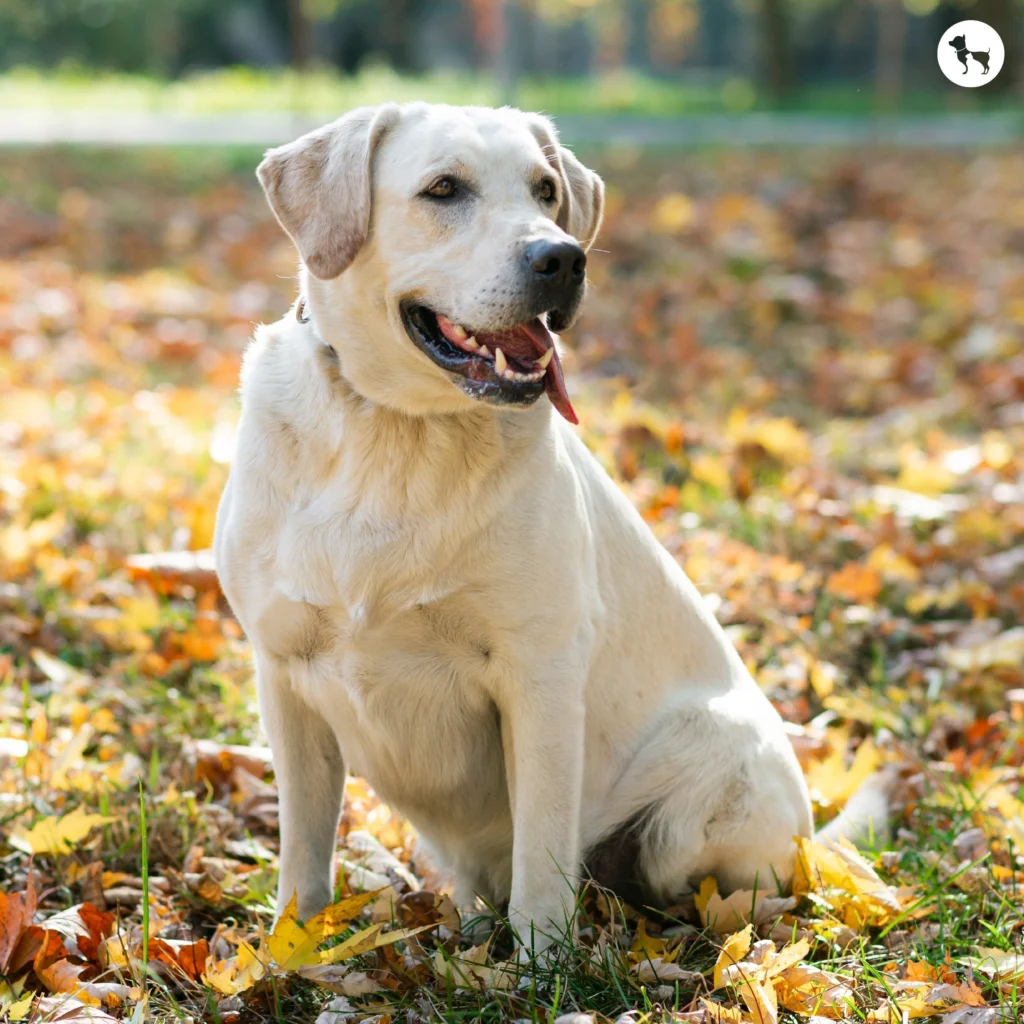
Coat: Short, dense, water-resistant
Energy: Very high, loves activity
Activities: Obedience, agility, tracking, hunting, field trials, conformation shows, guide work
Life of a Labrador dog
10 to 12 years
Colors
Labradors typically come in three main colors: yellow, black, and chocolate.
Coat Shedding
Labradors shed a moderate to high amount of hair. Frequent brushing helps control shedding and keeps their coat healthy and shiny.
Health
Here’s a reworded, website-friendly version of your Labrador health content:
Labradors are generally strong and healthy dogs, but they can be prone to weight gain if their diet is not monitored. Feeding them a balanced diet and ensuring daily exercise helps keep them fit and prevents obesity.
Some Labradors may develop hip and elbow dysplasia, heart problems, muscle disorders, or certain eye conditions like progressive retinal atrophy.
Like many large breeds, they are also at risk of bloat, a serious and potentially life-threatening condition. To ensure a healthy puppy, it’s important to choose a responsible breeder who performs health checks and genetic screenings.
Facts
- Although Labradors originally came from Newfoundland, they were named Labradors by the Third Earl of Malmesbury.
- By the late 1800s, the breed had nearly disappeared, but English enthusiasts, including the Malmesburys, helped preserve them.
- Today, Labrador Retrievers are among the most popular dog breeds in the United States, Canada, and the United Kingdom.
Golden Retriever
Golden Retriever
The Golden Retriever is one of the most loved dog breeds in the United States. It is known for being intelligent, loyal, and very friendly. This breed can work in many roles, such as a family pet, therapy dog, hunting partner, and guide dog for the blind. With its gentle nature and beautiful appearance, the Golden Retriever is a favorite among dog lovers.
Physical Characteristics
Size:
Large dog
Height:
Males: 23–24 inches
Females: 21.5–22.5 inches
Weight:
Males: 65–75 pounds
Females: 55–65 pounds
Coat:
Medium-length coat
Energy Level:
Medium energy
Activities:
Good for hunting, tracking, agility, therapy work, service work, and dog shows.
Life of a Golden Retriever dog
10 to 12 years
Colors
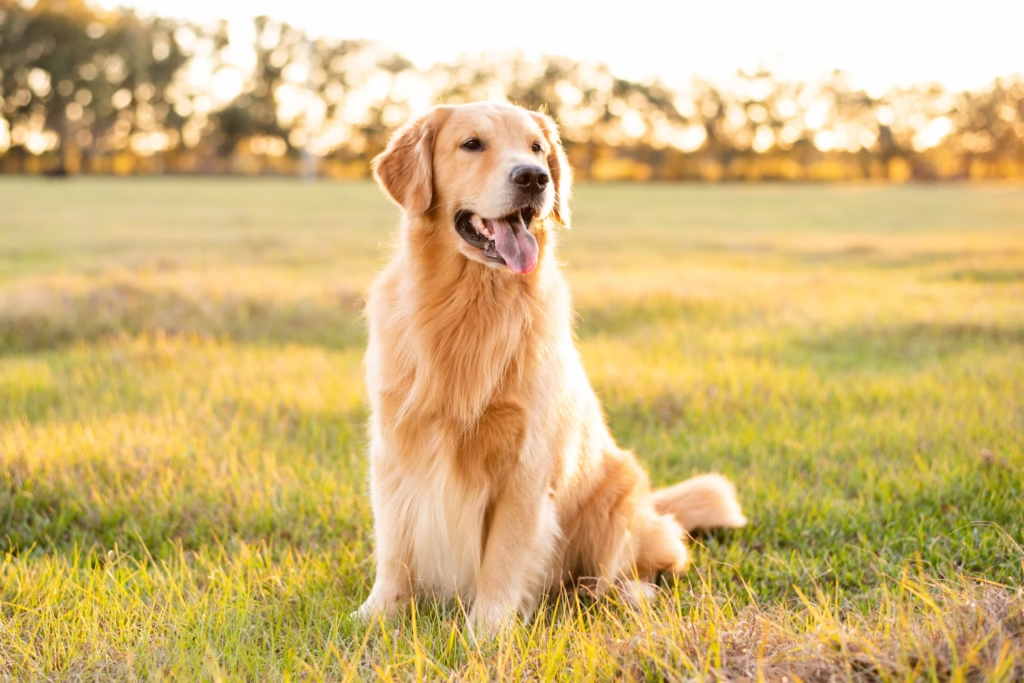
The Golden Retriever gets its name from its beautiful golden-colored coat. The color can vary from light gold to dark gold, but it always stays within a golden shade. Its shiny coat is one of the breed’s most attractive features.
Health
Golden Retrievers are usually a healthy and strong breed, but they can sometimes develop issues like hip and elbow dysplasia, eye problems, and heart diseases. Responsible breeders often perform health screenings to reduce these risks.
Because Golden Retrievers have drop ears, it is important to check and clean their ears regularly to prevent infections. Proper pet care, regular vet checkups, and a healthy diet help keep them active and healthy.
Facts
The Golden Retriever is one of the most popular dog breeds recognized by the American Kennel Club (AKC).
This breed was developed in Scotland during the time of Queen Victoria.
Golden Retrievers are very intelligent and often take part in hunting, field trials, and obedience competitions.
They are famous for their roles in movies like Air Bud and in many TV commercials.
Swimming and playing fetch are two of the Golden Retriever’s favorite activities.
German Shepherd
German Shepherd
The German Shepherd is a large, strong, and active dog. It is well known for its loyalty, intelligence, and courage. Because of these qualities, German Shepherds are often used as military, police, and guard dogs.
Physical Characteristics
Size:
Large dog
Height:
Males: 24–26 inches
Females: 22–24 inches
Weight:
Males: 65–90 pounds
Females: 50–70 pounds
Coat:
Short coat
Energy Level:
Medium to high energy
Activities:
Good at agility, herding, obedience training, tracking, and dog shows.
Life of a German Shepherd dog
7 to 10 years
Colors
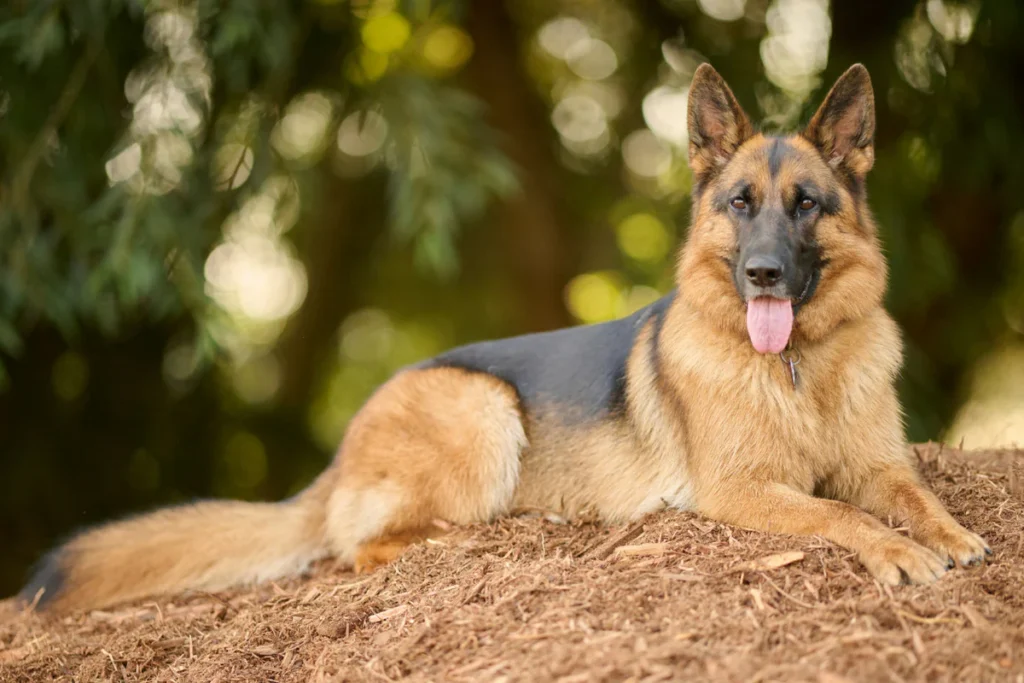
The German Shepherd Dog comes in several coat colors, including black and tan, solid black, and sable. These color variations make the German Shepherd breed unique and easily recognizable among other dogs.
Health
German Shepherd dogs are generally strong and healthy, but they can sometimes develop hip dysplasia, elbow dysplasia, or degenerative myelopathy. Responsible breeders often perform health tests to reduce the risk of these problems.
They can also suffer from bloat, a serious condition where the stomach suddenly swells. If you notice signs like restlessness, a swollen stomach, or difficulty breathing, you should contact a veterinarian immediately. Proper pet care and regular vet checkups help keep German Shepherds healthy.
Facts
The German Shepherd is known for its intelligence, loyalty, and bravery.
This breed is widely used as a police dog, military dog, and search-and-rescue dog.
German Shepherds are very easy to train because they learn commands quickly.
They are protective of their family and make excellent guard dogs.
Rottweilers
Rottweilers
The Rottweiler is a strong, muscular, and loyal dog breed known for its courage and protective nature. This breed is believed to have descended from Roman drover dogs that helped move and guard cattle for the Roman army. Today, the Rottweiler dog is widely used as a guard dog, service dog, herding dog, and loyal family companion.
Physical Characteristics
Size:
Large dog
Height:
Males: 24–27 inches
Females: 22–25 inches
Weight:
Males: 95–135 pounds
Females: 80–100 pounds
Coat:
Short and dense coat
Energy Level:
Medium energy
Activities:
Good at herding, obedience training, tracking, police work, and therapy work.
Life of a Rottweiler dog
9 to 10 years
Colors
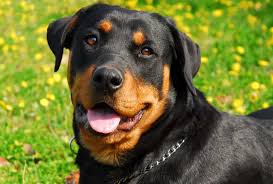
According to American Kennel Club (AKC) standards, the Rottweiler dog always has a black coat with markings that range from rust to mahogany. These distinctive markings are an important feature of the Rottweiler breed appearance.
Health
The Rottweiler dog is generally strong and healthy, but like many large breeds, it may be at risk for certain health problems such as hip dysplasia, elbow dysplasia, eye diseases, and cancer. Health experts and the American Rottweiler Club recommend regular hip, elbow, heart, and eye evaluations to help maintain the breed’s health.
Proper pet care, regular veterinary checkups, and a balanced diet can help keep a Rottweiler healthy and active for many years.
Facts
The Rottweiler dog is one of the most popular dog breeds recognized by the American Kennel Club (AKC).
The Rottweiler breed was officially recognized by the AKC in 1931.
Rottweilers were among the first dogs used as Seeing Eye dogs to help visually impaired people.
A Rottweiler named Stinky was honored in the Purina Animal Hall of Fame for helping a soldier recover from PTSD.
The Rottweiler breed history goes back to the Roman Empire, where they were used as herding and working dogs.
In the Middle Ages, Rottweilers worked as guard dogs for traveling butchers.
Shih Tzus
Shih Tzus
The Shih Tzu is a small toy dog breed known for its friendly and loving personality. These dogs are great companion pets and enjoy spending time with their owners. Shih Tzus are affectionate, social, and require only light daily exercise.
Physical Characteristics
- Size:
Small dog - Height:
About 9–10.5 inches tall - Weight:
Around 9–16 pounds - Coat:
Long and silky coat - Energy Level:
Low energy - Activities:
Good for agility, obedience training, and rally.
Life of a Shih Tzu dog
10 to 18 years
Colors
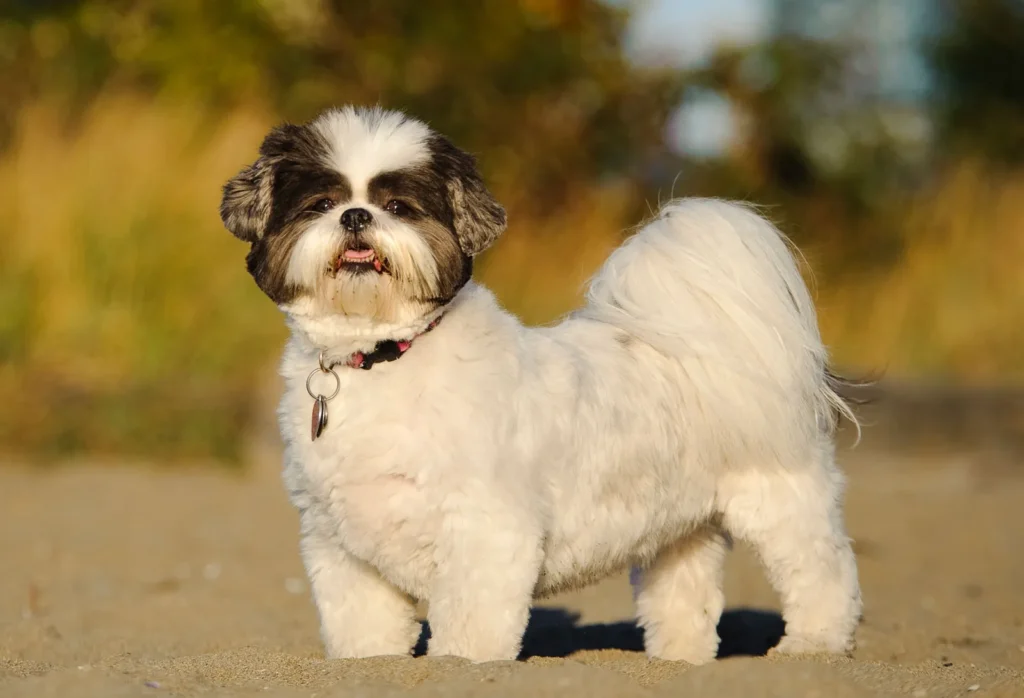
The coat of a Shih Tzu can appear in many beautiful colors. Popular shades seen in this breed include black, white, blue, brindle, gold, liver, red, and silver.
Health
The Shih Tzu dog is generally a strong toy breed, but it can sometimes develop health problems such as hip dysplasia, patellar luxation, and eye diseases. Some Shih Tzus may also experience dry eyes, cataracts, or retinal problems, which can affect their vision.
Responsible breeders often perform health screenings to reduce the risk of these conditions. With proper pet care, regular grooming, and routine veterinary checkups, a Shih Tzu can live a healthy and happy life.
Facts
The Shih Tzu dog was a popular royal companion during the Ming Dynasty in China.
The name Shih Tzu means “lion” in Chinese, inspired by its lion-like appearance.
In Buddhist culture, the lion is associated with protection and strength.
The Shih Tzu breed was officially recognized as a separate dog breed in 1935.
Shih Tzus are often called “chrysanthemum-faced dogs” because the hair around their face grows in all directions like a flower.
Pomeranian
Pomeranian
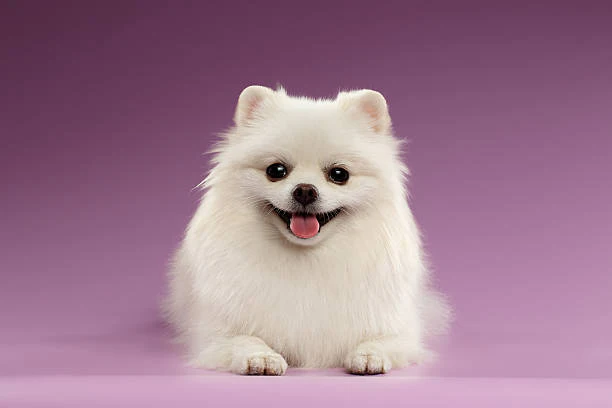
The Pomeranian is a small but bold and energetic dog breed known for its intelligence and charm. Its smiling fox-like face and lively personality have helped it become one of the most popular toy breeds in the world.
Physical Characteristics
- Size: Small
- Height: Around 7–12 inches
- Weight: Approximately 3–7 pounds
- Coat Type: Long and fluffy
- Energy Level: Low to moderate
- Common Activities: Obedience training and rally obedience
Life of a Pomeranian dog
12 to 16 years
Colors
Pomeranians have a wide variety of coat colors. They can appear in shades such as beaver, black, blue, blue merle, chocolate, cream, orange, red, and white, either as solid colors or in different combinations. Among these, orange and red are the most commonly seen.
Health
The Pomeranian is generally a healthy dog breed, but it may be susceptible to a few health problems. Common issues seen in Pomeranians include luxating patella, hypothyroidism, collapsing trachea, congestive heart failure, seizures, and alopecia X. Routine vet visits, a balanced diet, and proper exercise can help maintain your Pomeranian’s overall health.
Facts
Pomeranians are known for their thick double coat that gives them a fluffy appearance.
Despite their small size, they are very alert and confident dogs.
Pomeranians are considered one of the most intelligent toy dog breeds.
They are often used as great watchdogs because they quickly alert their owners to strangers.
Siberian Huskies
Siberian Huskies
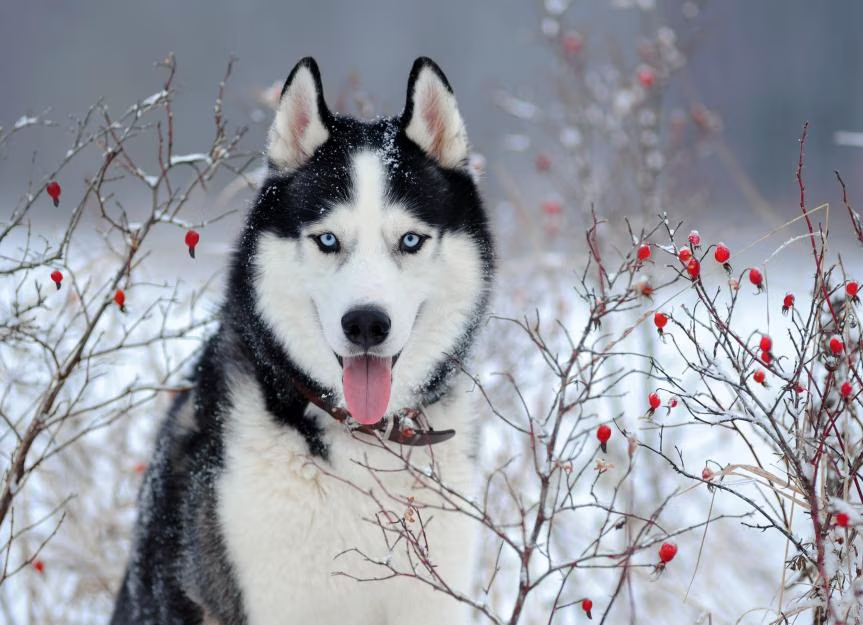
The Siberian Husky is a famous dog breed known for its strong Arctic background. Its thick fur coat, bright almond-shaped eyes, and sociable personality make it both an excellent sled dog and a great family companion.
Physical Characteristics
Size: Medium
Height: Males 21–23.5 in, Females 20–22 in
Weight: Males 45–60 lbs, Females 35–50 lbs
Energy: Moderate
Activities: Agility, sledding, obedience, therapy work
Life of a Siberian Huskies dog
12 to 14 years
Colors
The Siberian Husky is recognized by the American Kennel Club (AKC) in six official colors, though the breed can appear in over 17 different color combinations. They also display three common markings: black points, piebald, and pinto.
Health
The Siberian Husky is generally a robust breed, though routine vet visits are essential. Annual eye exams and monitoring for hip dysplasia can help ensure your Husky stays healthy and active.
Facts
The Siberian Husky is one of the most popular breeds, ranking #12 out of 194 recognized by the AKC.
Known for their natural cleanliness, Huskies only need occasional baths a few times per year.
In 1925, the famous Husky Balto delivered life-saving serum over 658 miles in just 5 days.
The breed was developed in northeastern Asia by the Chukchi people for sledding and survival in harsh climates.
During World War II, Siberian Huskies served in the Army’s Arctic Search & Rescue Unit of the Air Transport Command.
Often called sled dogs, they can pull light loads across long distances even in extreme subzero temperatures.
Pugs
Pugs
The small but solid Pug is adored for his playful personality. These cute little dogs are one of the oldest breeds, and they love to love—and be loved in return.
Physical Characteristics
Size: Small breed
Height: Typically 10–13 inches tall
Weight: Weighs around 14–18 pounds
Coat: Short and easy to maintain
Energy: Low; enjoys calm play
Ideal Activities: Agility training, obedience, and rally obedience
Life of a Pug dog
13 to 15 years
Colors
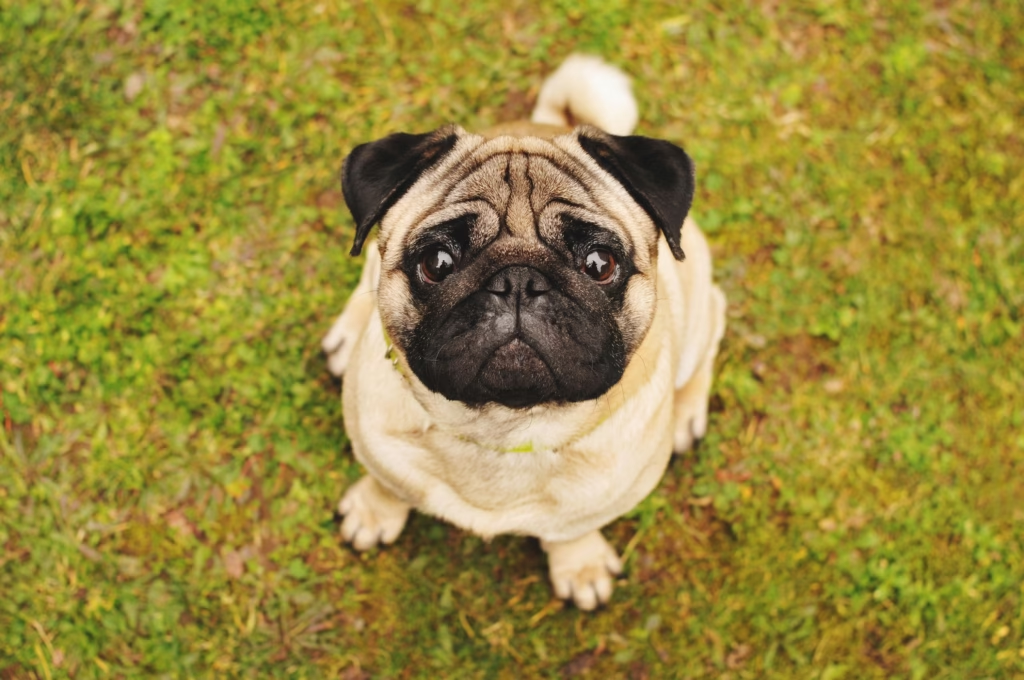
The classic Pug appearance features a fawn coat paired with a black “mask” on the face and ears, which is one of the breed’s signature traits.
Health
Pugs have charming eyes, but they can be prone to issues like corneal ulcers and dry eye. Being a flat-faced breed, Pugs may also face breathing difficulties, particularly in hot or humid weather.
Facts
Pugs are small, sturdy dogs with a charming personality and affectionate nature.
They are brachycephalic, meaning they have a flat face, which can cause breathing problems, especially in hot or humid weather.
Pugs are prone to eye issues like corneal ulcers and dry eye due to their large, prominent eyes.
They have a short, smooth coat that requires minimal grooming but sheds year-round.
Pugs are highly social and enjoy the company of people and other pets.
Doberman
Doberman
Dobermans are smart, brave, and deeply loyal, making them ideal family pets as well as attentive protectors. Their affectionate nature combined with their watchful instincts ensures they are both loving companions and reliable guardians.
Physical Characteristics
- Size: Medium to Large
- Height: Males: 26–28 inches | Females: 24–26 inches
- Weight: Males: 85–100 lbs | Females: 65–75 lbs
- Coat: Short and sleek
- Energy Level: High
- Ideal Activities: Obedience training, Agility, Tracking, Therapy work, Search & Rescue, Rally, and Protection Sports
Life of a Doberman dog
10 to 12 years
Colors
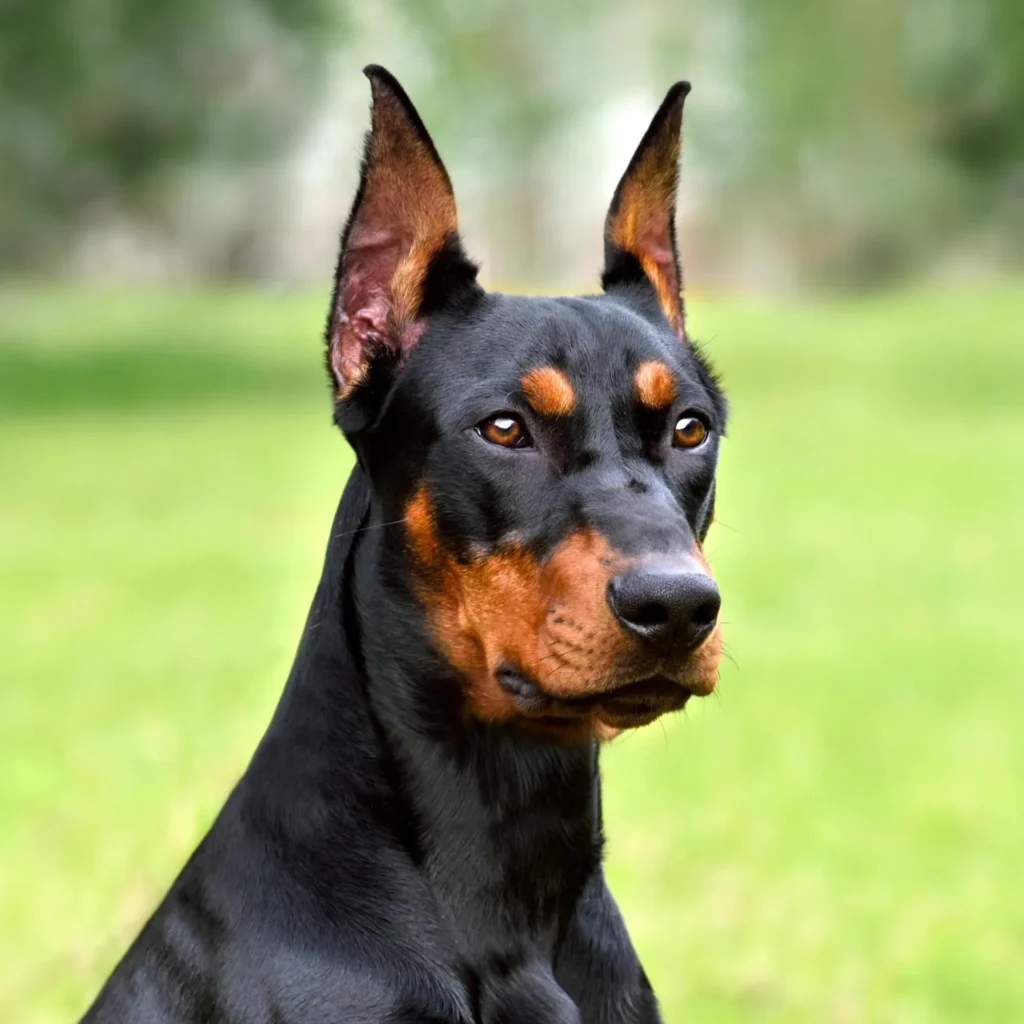
Dobermans are best known for their sleek black and rust coats, but they also come in blue, red, and fawn. Rust markings appear above the eyes, on the muzzle, chest, legs, paws, and under the tail, giving this breed its distinctive look.
Doberman Pinschers are generally a healthy and resilient breed. Like many large, deep-chested dogs, they can be prone to bloat, so careful feeding and monitoring are important. Some Dobermans may also be at risk for genetic conditions such as hip dysplasia, heart issues like dilated cardiomyopathy, von Willebrand’s disease, hypothyroidism, and certain eye disorders.
Reputable breeders prioritize health by carefully screening their dogs for these conditions, helping ensure that puppies have the best chance at a long, happy, and healthy life.
Facts
- The U.S. Marine Corps used Dobermans during World War II.
- Louis Dobermann didn’t keep records of the breeds used to create the Doberman Pinscher, but some of its likely ancestors include the Rottweiler, German Pinscher and the Black and Tan Terrier.
- A life-size, bronze Doberman statue known as “Always Faithful” stands guard in Guam, overlooking the war dog cemetery at the U.S. Naval Base there.
Bullmastiff
Bullmastiff
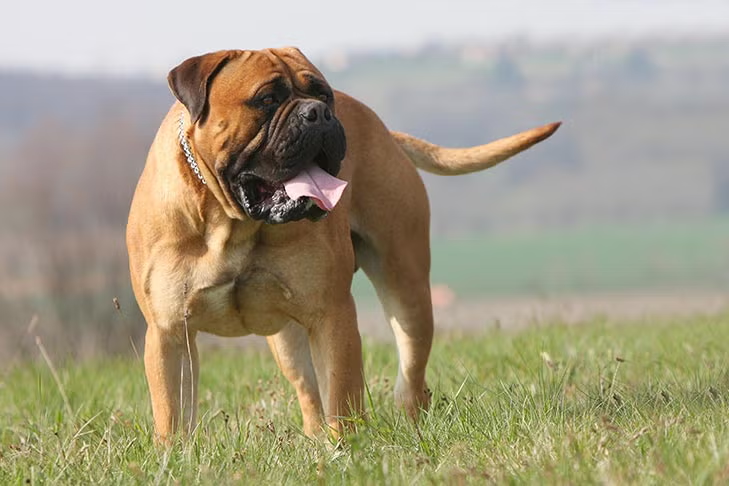
The Bullmastiff is a powerful and loyal breed, known for its courage and gentle nature with families. Originally bred as a guard dog, it combines strength with intelligence and calm temperament. This breed is affectionate, protective, and makes an excellent family companion.
Physical Characteristics
- Size: Large to Giant
- Height: Males: 25–27 inches | Females: 24–26 inches
- Weight: Males: 110–130 lbs | Females: 100–120 lbs
- Coat: Short and dense
- Colors: Red, Fawn, or Brindle
- Energy Level: Low to Moderate
Ideal Activities: Obedience, Rally, Agility, Conformation, and Tracking
Life of a Bullmastiff dog
7 to 10 years
Health
Bullmastiffs are generally robust dogs, but like all large breeds, they can be prone to certain health issues. Common concerns include hip and elbow dysplasia, heart problems, bloat (gastric torsion), and certain cancers. Regular vet check-ups, a balanced diet, and controlled exercise can help prevent or manage these conditions.
Facts
- Loyal Protectors: Bullmastiffs are affectionate family dogs and excellent guard dogs.
- Size & Strength: Large to giant breed, weighing 100–130 lbs with a powerful build.
- Low to Moderate Energy: Enjoys short walks and moderate play, not overly active.
- Health Needs: Can be prone to hip/elbow dysplasia, heart issues, bloat, and certain cancers.
Saint Bernard
Saint Bernard
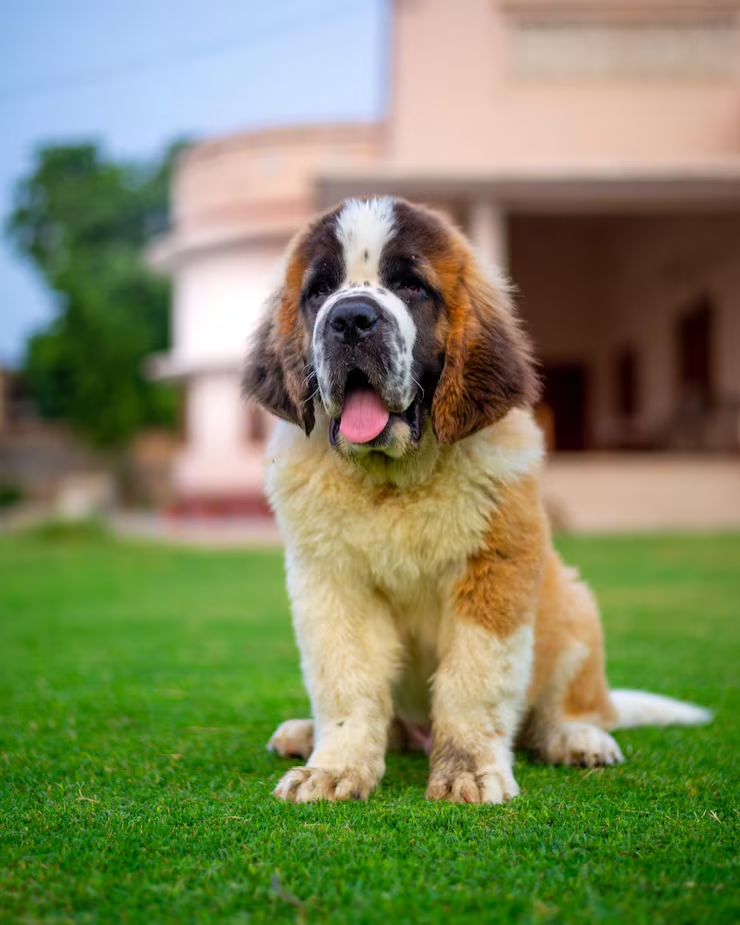
The Saint Bernard is a gentle giant, known for its strength, calm temperament, and affectionate nature. Originally bred in the Swiss Alps as a rescue dog, it is loyal, patient, and great with families. This breed combines impressive size with a loving and protective personality, making it a devoted companion.
Physical Characteristics
Size: Giant
Height & Weight: Males 28–30 in / 140–180 lbs; Females 26–28 in / 120–140 lbs
Coat & Colors: Medium-long; brown to brown-yellow with white markings
Energy: Low
Activities: Obedience, Conformation, Cart Pulling, Weight Pulling, Search & Rescue
Life of a Saint Bernard dog
8 to 10 years
Colors
Saint Bernards usually have warm brown coats with white markings on their chest, face, paws, and tail. Their colors make them look majestic and gentle—perfect for a loving family companion.
Health
Saint Bernards are generally healthy, but like many giant breeds, they can be prone to certain health issues. Common concerns include hip and elbow dysplasia, heart problems, bloat (gastric torsion), and certain types of cancer. Regular veterinary check-ups, a balanced diet, and moderate exercise can help keep them strong and healthy.
Reputable breeders screen for genetic conditions, ensuring puppies have the best chance at a long, happy, and healthy life. With proper care, Saint Bernards can thrive as gentle, loyal family companions.
Facts
Gentle and loyal family companions.
Giant breed weighing 120–180 lbs.
Low energy and calm temperament.
Can be prone to hip/elbow dysplasia, heart issues, and bloat.
Pandikona
Pandikona
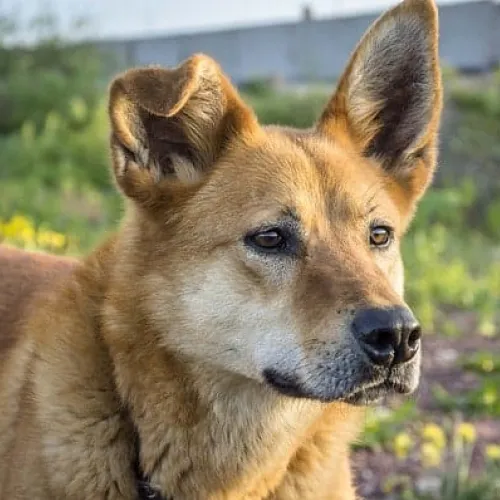
The Pandikona dog is a rare Indian native dog breed that comes from the Kurnool region of Andhra Pradesh. It is known for being strong, brave, and very loyal, and it was traditionally used by local people for hunting and guarding.
Physical Characteristics
- Size:
Medium to large dog - Height:
About 22–26 inches - Weight:
Around 30–40 kg - Coat:
Short and smooth coat - Energy Level:
High energy - Activities:
Good for hunting, guarding, running, and farm protection.
Life of a Pandikona dog
12 to 15 years
Colors
The Pandikona dog usually comes in colors such as fawn, black, white, brown, or a mix of these colors. Some dogs may also have small white markings on the chest or legs. The short coat of the Pandikona dog makes it easy to maintain with basic pet care and grooming.
Health
The Pandikona dog is generally a strong and hardy Indian breed with good natural health. Because it developed naturally in rural areas, it usually has fewer genetic health problems than many modern breeds.
However, like most active dogs, Pandikona dogs still need proper pet care, balanced nutrition, regular exercise, and routine veterinary checkups to stay healthy. Good grooming and a clean living environment also help keep this breed fit and active.
Facts
The Pandikona dog is a native Indian breed from the Kurnool district of Andhra Pradesh.
This breed was traditionally used for hunting wild boar and guarding farms.
Pandikona dogs are known for their strength, speed, and bravery.
They are very loyal and protective of their owners.
With proper pet care and training, the Pandikona dog can be a strong and reliable companion.
Bagel
Beagle
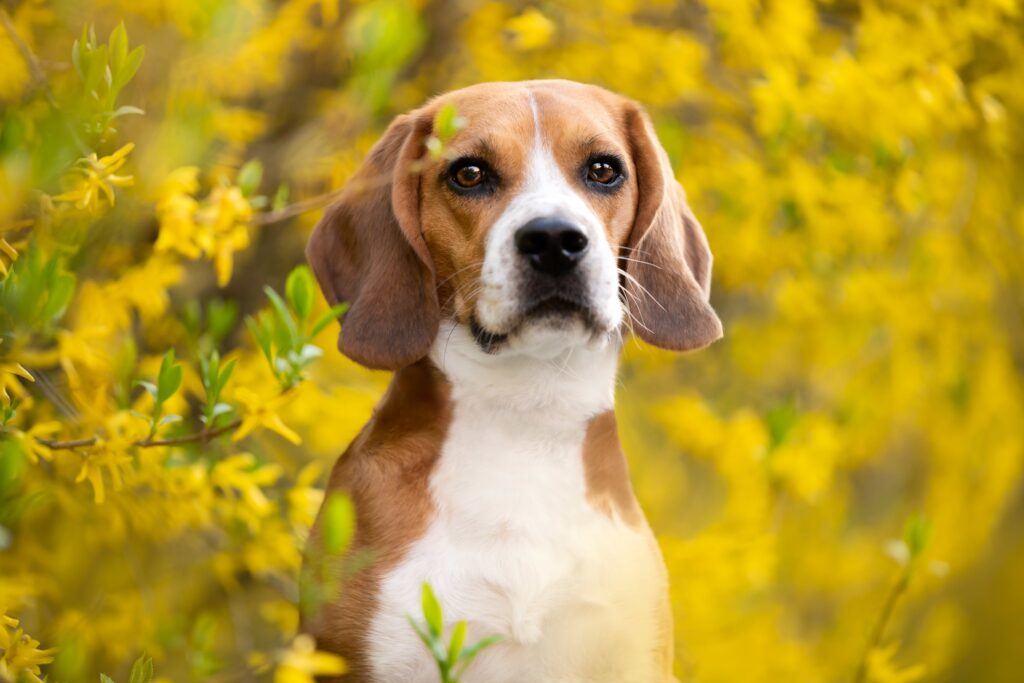
The Beagle is a small to medium-sized hound dog breed known for its excellent sense of smell and friendly personality. Originally bred for hunting rabbits and small game, Beagles are active, curious, and intelligent dogs.
They are also loving, social, and great family pets, especially with children. With proper pet care, training, and regular exercise, a Beagle dog can be a happy and energetic companion.
Physical Characteristics
- Size:
Small to medium dog - Height:
About 13–15 inches - Weight:
Around 20–30 pounds - Coat:
Short and smooth coat - Energy Level:
High energy - Activities:
Good for hunting, tracking, scent work, and family companionship.
Life of a Beagle dog
12 to 15 years
Colors
The Beagle dog comes in a variety of coat colors. The most common is tricolor (black, white, and tan). Beagles can also be lemon and white, red and white, brown and white, or blue and white. Their short coat is easy to maintain with regular pet care and grooming.
Health
The Beagle dog is generally a healthy breed, but it can sometimes develop health problems such as hip dysplasia, ear infections, obesity, and eye disorders. Because Beagles have long floppy ears, they should be checked and cleaned regularly to prevent infections.
With proper pet care, a balanced diet, regular exercise, and routine veterinary checkups, a Beagle dog can stay healthy, active, and happy for many years.
Facts
The Beagle dog is famous for its excellent sense of smell, which makes it a great tracking and hunting dog.
Beagles were originally bred to hunt rabbits and small animals.
This breed is friendly, curious, and good with children, making it a great family pet.
Beagles are very active and love outdoor activities like running and exploring.
With proper pet care and training, Beagles become loyal and loving companions.