Gmail - piyushjoshi2324@gmail.com
Contact- +91 991779100177

Top - 20 Fish Breeds
Ocellaris Clownfish
Ocellaris Clownfish
Ocellaris Clownfish, often called the “False Percula Clownfish,” is a small, brightly colored marine fish famous for its orange body with white stripes outlined in black. They are popular in home saltwater aquariums and are known for their symbiotic relationship with sea anemones.
Quick Facts
| Attribute | Details |
|---|---|
| Scientific Name | Amphiprion ocellaris |
| Nickname | False Percula Clownfish |
| Average Size | 3–4 inches (7–10 cm) |
| Typical Lifespan | 6–10 years in a well-maintained aquarium |
| Tank Environment | Saltwater reef setup |
| Minimum Aquarium Size | 20 gallons (75 liters) |
| Ideal Water Temperature | 75–80°F (24–27°C) |
| Optimal Salinity | 1.020–1.025 (specific gravity) |
| Water pH | 8.0–8.4 |
| Behavior | Peaceful, social, forms bonds with anemones |
Appearance & Physical Traits
The Ocellaris Clownfish showcases a bright orange hue with three bold white stripes edged in black, giving it a striking and recognizable pattern.
Its body is slightly oval and compressed, with smooth, rounded fins that allow agile movement through coral reefs.
Females are larger and more vibrantly colored, while males appear smaller and subtler in shade.
The fish’s streamlined shape helps it navigate easily among anemone tentacles for protection and shelter.
Dark, alert eyes give it a distinctive look, often described as almost “animated” in expression.
Water Requirements
Native to coral reefs of the Indo-Pacific region
Lives among sea anemones for protection and mutual benefit
Requires stable saltwater conditions with proper filtration
Needs a tank with hiding spots and live rock
Feeding
Ocellaris Clownfish are omnivores, thriving on a mix of protein-rich and plant-based foods.
In aquariums, they enjoy high-quality flakes, pellets, and frozen or live foods like brine shrimp and mysis shrimp.
Feed small portions 2–3 times a day, ensuring they consume everything within a few minutes to prevent water pollution.
Occasionally, adding finely chopped vegetables or algae-based foods can supplement their diet and enhance coloration.
Health
Ocellaris Clownfish are generally hardy but sensitive to sudden water changes. They can be prone to marine ich and fin rot if tank conditions aren’t stable. Maintaining clean, well-oxygenated water and observing for unusual behavior helps keep them healthy.
Breeding
Sequential hermaphrodite: the dominant fish becomes female
Breeding can occur in captivity if tank conditions are stable
Eggs are laid on flat surfaces near the host anemone
Males guard and aerate the eggs until they hatch
Livebearers
Endler’s Livebearer
Endler’s Livebearer is a small, brightly colored freshwater fish closely related to guppies. Known for their neon-like patterns and constant activity, they are easy to care for and perfect for beginner aquarists. Like all livebearers, they give birth to free-swimming fry instead of laying eggs.
Quick Facts
| Attribute | Details |
|---|---|
| Scientific Name | Poecilia wingei |
| Common Names | Endler guppy, Endler’s livebearer |
| Size | 1–1.5 inches (2.5–3.8 cm) |
| Lifespan | 2–4 years (up to ~5+ with good care) |
| Temperament | Peaceful, active |
| Care Level | Easy (beginner-friendly) |
| Diet | Omnivore |
| Tank Size | Minimum 5–10 gallons |
| Origin | Venezuela (South America) |
Appearance & Physical Traits
Males are brightly colored with neon orange, green, black, and metallic patterns.
Females are larger but dull-colored (silver or light gold).
Very small, slender body compared to guppies.
Males usually stay around 1 inch, females slightly bigger.
Constant movement and flashing colors make them very eye-catching.
Water Requirements
Endler’s Livebearers prefer stable freshwater conditions similar to their natural habitat. They thrive in temperatures between 24–28°C (75–82°F) with a slightly alkaline pH of 6.5–8.5. Clean, well-filtered water is essential, along with regular water changes to maintain quality. Adding plants and gentle water flow helps create a comfortable and stress-free environment.
Feeding
- Eat flakes, pellets, and frozen foods (bloodworms, brine shrimp)
- Also need plant-based foods like algae or spirulina
- Feed small amounts 1–2 times daily
- A varied diet improves color and health
Health
Endler’s Livebearers are generally hardy fish but can be sensitive to sudden changes in water conditions. They may be prone to common aquarium diseases like ich and fin rot if the tank is not well maintained. Keeping the water clean, stable, and well-filtered, along with providing a balanced diet, helps ensure they stay healthy and active.
Breeding
- Endler’s Livebearers are livebearers, meaning they give birth to free-swimming fry instead of laying eggs.
- They breed easily in aquariums when kept in stable conditions.
- Females can give birth every 3–4 weeks to small batches of fry.
- Fry are independent at birth but should be protected with plants or hiding spots.
- Adults may eat the fry, so separation or dense planting is recommended.
Swordtail
Swordtail
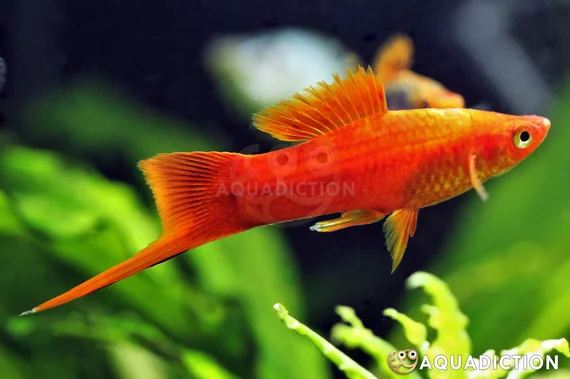
Swordtails (Xiphophorus hellerii) are vibrant freshwater fish known for the long “sword” on the males’ tails. They are peaceful, active swimmers that do well in community tanks. Native to Central America, they are hardy and easy to care for, making them popular with beginners. Swordtails are omnivores and thrive in planted aquariums with open swimming spaces, stable water conditions, and regular maintenance. Their bright colors and lively behavior make them a favorite in home aquariums.
Quick Facts
| Attribute | Details |
|---|---|
| Scientific Name | Xiphophorus hellerii |
| Common Names | Swordtail |
| Size | 4–6 inches (10–15 cm) |
| Lifespan | 3–5 years |
| Temperament | Peaceful (males slightly aggressive) |
| Care Level | Easy (beginner-friendly) |
| Diet | Omnivore |
| Tank Size | Minimum 15–20 gallons |
| Origin | Central America |
Appearance & Physical Traits
- Males have a long sword-like tail extension; females do not
- Bright and vibrant colors: red, orange, green, black, and mixed varieties
- Males are slimmer, females are larger and rounder
- Active swimmers with sleek, elongated bodies
- Swordtails are visually striking and add movement to any aquarium
Water Requirements
Swordtails prefer clean, well-maintained freshwater with stable conditions. They thrive in temperatures between 22–28°C (72–82°F) with a pH of 7.0–8.5. Slightly hard, alkaline water is ideal, along with regular water changes and good filtration.
Feeding
Swordtails are omnivores
Eat flakes, pellets, and frozen or live foods (bloodworms, brine shrimp)
Also need plant-based foods like algae or spirulina
Feed 1–2 times daily in small amounts
A varied diet helps maintain bright colors and good health
Health
Swordtails are hardy but can become stressed if water quality is poor or conditions change suddenly. They may suffer from common diseases like ich or fin rot. Keeping the tank clean, avoiding overcrowding, and providing a balanced diet helps maintain their health.
Breeding
Swordtails are livebearers, giving birth to free-swimming fry
Females can have babies every 4–6 weeks
Fry are independent at birth but should have plants or hiding spots
Adults may eat the fry, so protection or separation is recommended
Breeding is easy in well-maintained aquariums
Platy Fish
Platy fish
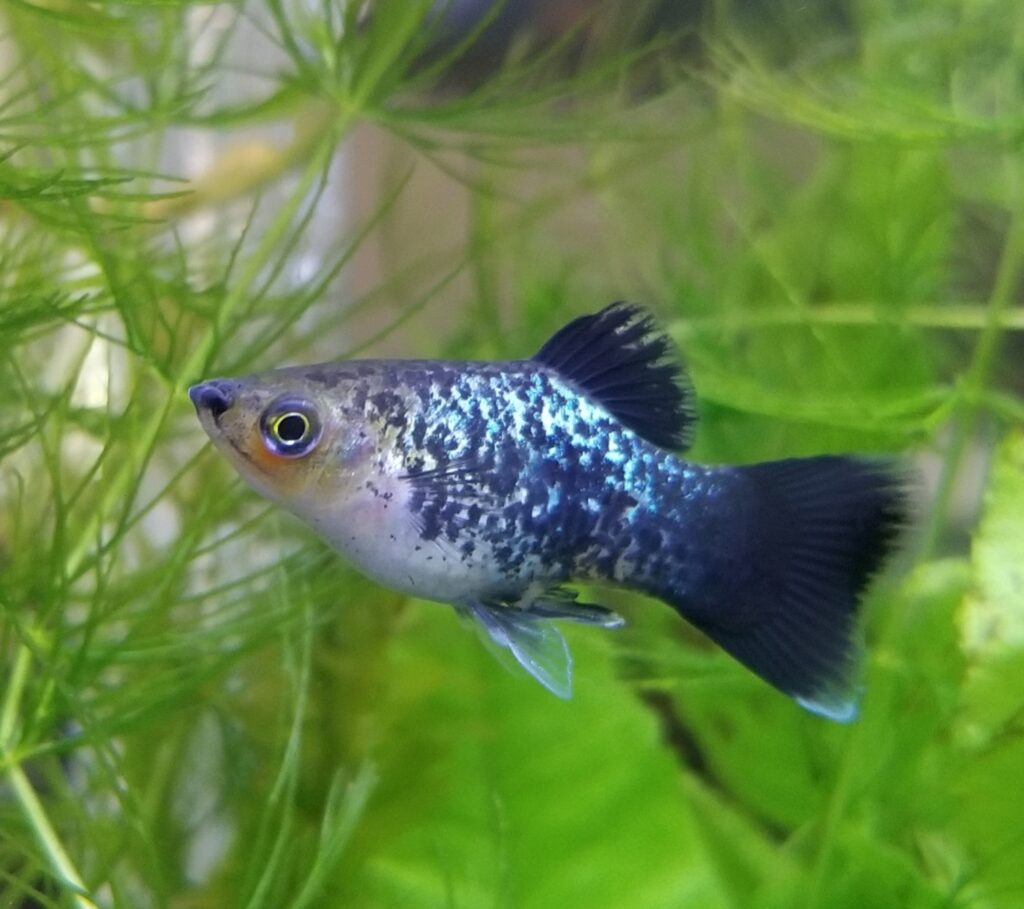
Platys are small, hardy freshwater fish with bright colors and distinctive patterns. They are peaceful, active swimmers and do well in community tanks. Platys are native to Central America and thrive in planted aquariums with stable water conditions. Their friendly behavior and ease of care make them ideal for beginners and community setups.
Quick Facts
| Attribute | Details |
|---|---|
| Scientific Name | Xiphophorus maculatus |
| Common Names | Platy, Common Platy |
| Size | 2–3 inches (5–7.5 cm) |
| Lifespan | 2–3 years |
| Temperament | Peaceful, social |
| Care Level | Easy (beginner-friendly) |
| Diet | Omnivore |
| Tank Size | Minimum 10 gallons |
| Origin | Central America |
Appearance & Physical Traits
Small, elongated body with bright colors: red, orange, yellow, blue, black, and mixes
Males are slimmer and more colorful
Females are slightly larger with a rounder body
Patterns include spots, stripes, and solid colors
Active swimmers that add movement and vibrancy to tanks
Water Requirements
Temperature: 20–26°C (68–79°F)
pH: 7.0–8.2 (slightly alkaline)
Water Type: Freshwater
Hardness: Moderate to hard
Clean, filtered water with regular water changes keeps them healthy
Planted tanks with open swimming space are ideal
Feeding
- Platys are omnivores
- Eat flakes, pellets, frozen/live foods (bloodworms, brine shrimp)
- Also consume plant-based foods like algae or spinach
- Feed 1–2 times daily in small portions
- A varied diet enhances color and vitality
Health
Platys are generally hardy but can be sensitive to sudden changes in water quality or temperature. Poor conditions may cause diseases like ich or fin rot. Keeping the tank clean, well-filtered, and feeding a balanced diet helps them stay healthy and active.
Breeding
- Platys are livebearers, giving birth to free-swimming fry
- Females can give birth every 4–6 weeks
- Fry should have plants or hiding spots for protection
- Adults may eat the fry, so separation is recommended
- Breeding is easy in well-maintained aquariums
Molly fish
Mollyy
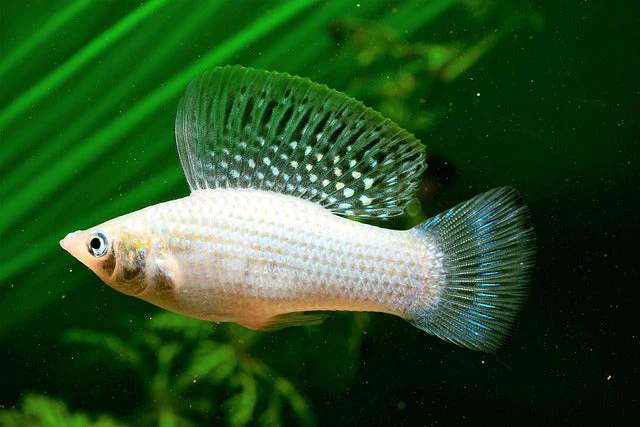
Mollies are hardy, social freshwater fish known for their sail-like fins and variety of colors. They are livebearers, easy to breed, and thrive in community aquariums. Native to Central America, they prefer planted tanks with open swimming areas and stable water conditions.
Quick Facts
| Attribute | Details |
|---|---|
| Scientific Name | Poecilia sphenops |
| Common Names | Molly, Sailfin Molly |
| Size | 3–4 inches (7.5–10 cm) |
| Lifespan | 3–5 years |
| Temperament | Peaceful, social |
| Care Level | Easy (beginner-friendly) |
| Diet | Omnivore |
| Tank Size | Minimum 20 gallons |
| Origin | Central America |
Appearance & Physical Traits
- Sail-like dorsal fins, especially in males
- Colors: black, white, silver, gold, dalmatian, and mixed patterns
- Males are smaller, slimmer, and more colorful
- Females are larger with rounder bodies
- Active swimmers, adding liveliness to aquariums
Water Requirements
- Temperature: 24–28°C (75–82°F)
- pH: 7.5–8.5 (slightly alkaline)
- Water Type: Freshwater (can tolerate brackish)
- Hardness: Moderate to hard
- Regular water changes and good filtration are essential
- Planted tanks with open swimming space are ideal
Feeding
- Mollies are omnivores
- Eat flakes, pellets, live/frozen foods (bloodworms, brine shrimp)
- Enjoy plant-based foods like spinach or algae
- Feed 1–2 times daily in small amounts
- A varied diet maintains vibrant colors and health
Health
Mollies are hardy but can be sensitive to poor water quality or sudden changes. Stress may lead to diseases like ich or fin rot. Keeping water clean and stable, along with a balanced diet, helps them stay healthy and active.
Breeding
Mollies are livebearers, giving birth to free-swimming fry
Females can have babies every 4–6 weeks
Fry should have plants or hiding spots for protection
Adults may eat fry, so separation is recommended
Breeding is easy in well-maintained aquariums
Celestial Pearl Danio fish
Celestial Pearl Danio
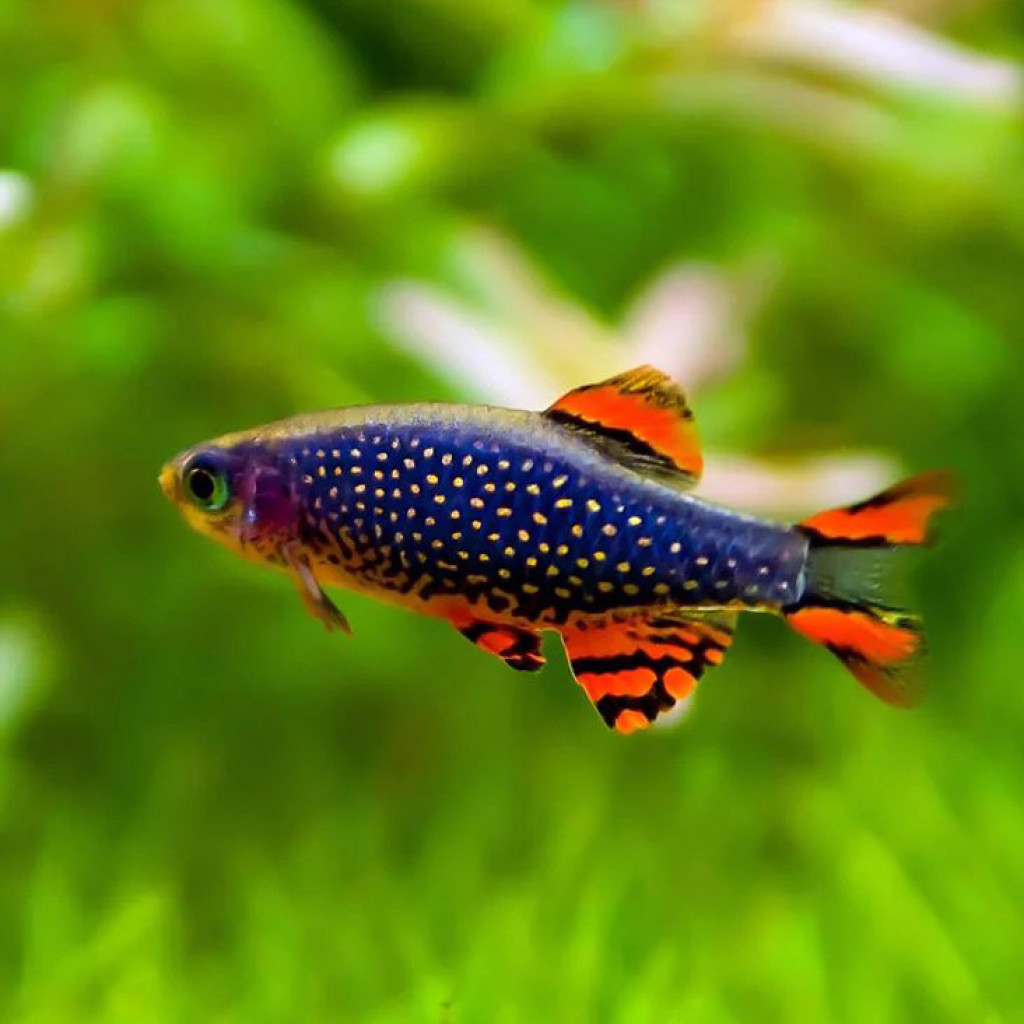
Celestial Pearl Danios are tiny, peaceful fish with shimmering pearl-like spots and vibrant red fins. They thrive in planted tanks with calm water and gentle flow. Native to Myanmar, they are ideal for nano tanks and peaceful community setups. They prefer stable water conditions and a well-maintained aquarium.
Quick Facts
| Attribute | Details |
|---|---|
| Scientific Name | Danio margaritatus |
| Common Names | Celestial Pearl Danio, Galaxy Rasbora |
| Size | 0.8–1 inch (2–2.5 cm) |
| Lifespan | 3–5 years |
| Temperament | Peaceful, social |
| Care Level | Moderate (needs stable conditions) |
| Diet | Omnivore |
| Tank Size | Minimum 10 gallons |
| Origin | Myanmar (Southeast Asia) |
Appearance & Physical Traits
Small, compact body with metallic blue spots resembling stars
Fins are bright red or orange with black markings
Males are smaller, slimmer, and more colorful
Females are slightly larger with duller colors
Active, schooling fish that flash their colors when happy
Water Requirements
Temperature: 22–26°C (72–79°F)
pH: 6.5–7.5 (slightly acidic to neutral)
Water Type: Freshwater
Hardness: Soft to moderately hard
Regular water changes and gentle filtration are essential
Planted tanks with hiding spots make them feel secure
Feeding
Omnivorous; eat flakes, micro-pellets, frozen/live foods (daphnia, brine shrimp)
Appreciate small-sized food due to tiny mouths
Feed 1–2 times daily in small portions
A varied diet enhances color and activity
Health
Celestial Pearl Danios are sensitive to poor water conditions. Sudden changes in temperature, pH, or water quality can stress them and lead to diseases like ich. Maintaining clean, stable water and feeding a varied diet keeps them vibrant and active.
Breeding
- Livebearers are not applicable; they are egg-layers
- Spawn in planted tanks or spawning mops
- Eggs hatch in 2–3 days
- Fry are tiny and require infusoria or micro-food
- Adults may eat eggs, so separation is recommended
Pearl Gourami fish
Pearl Gourami
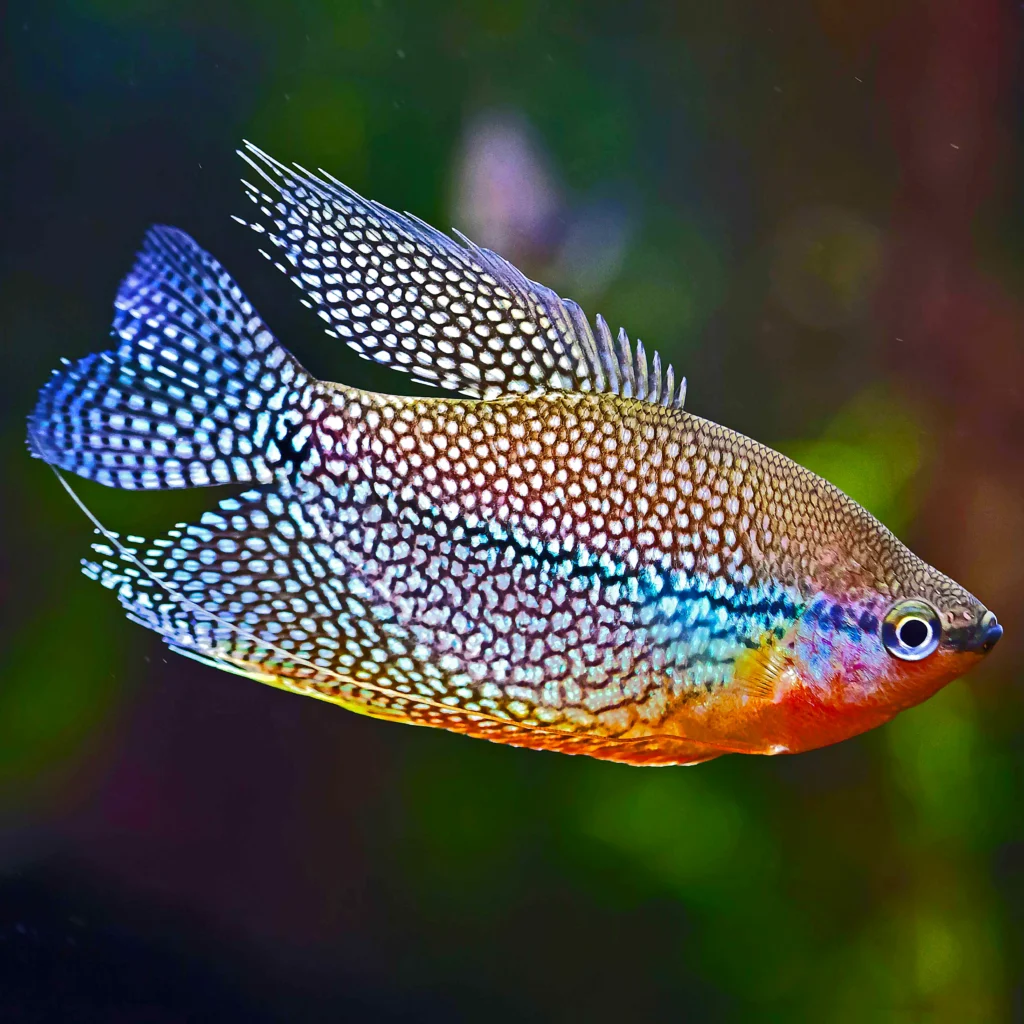
Pearl Gouramis are calm, graceful fish with a shimmering pearl-like pattern across their bodies. They thrive in planted aquariums with gentle water flow. Native to Southeast Asia, they are compatible with other peaceful species and prefer stable water conditions and moderate lighting.
Quick Facts
| Attribute | Details |
|---|---|
| Scientific Name | Trichopodus leerii |
| Common Names | Pearl Gourami |
| Size | 4–5 inches (10–12 cm) |
| Lifespan | 4–6 years |
| Temperament | Peaceful, social |
| Care Level | Moderate |
| Diet | Omnivore |
| Tank Size | Minimum 20 gallons |
| Origin | Southeast Asia (Indonesia, Malaysia, Thailand) |
Appearance & Physical Traits
- Iridescent body covered with pearl-like spots
- Long, flowing fins with reddish-orange highlights
- Males are larger with brighter colors and more pointed dorsal fins
- Females are slightly smaller with rounder bodies
- Elegant swimmers, often gliding near the mid to top water level
Water Requirements
- Temperature: 24–28°C (75–82°F)
- pH: 6.0–7.5 (slightly acidic to neutral)
- Water Type: Freshwater
- Hardness: Soft to moderately hard
- Gentle filtration and regular water changes are recommended
- Planted tanks with floating plants provide hiding spots and security
Feeding
- Omnivorous diet: flakes, pellets, frozen/live foods (bloodworms, brine shrimp, daphnia)
- Feed 1–2 times daily in small portions
- Also benefit from vegetable matter (blanched spinach, zucchini)
- A varied diet enhances color and vitality
Health
Pearl Gouramis are hardy but sensitive to poor water quality and stress. Common issues include ich or fin rot if water conditions are unstable. Maintaining clean, stable water and a varied diet keeps them healthy, active, and brightly colored.
Breeding
Pearl Gouramis are bubble nest builders
Males create nests at the water surface using bubbles and plant debris
Eggs hatch in 24–36 hours
Fry are tiny and need infusoria or micro-food initially
After hatching, it’s best to remove adults or provide dense plants to protect fry
Neon Tetra
Neon Tetra
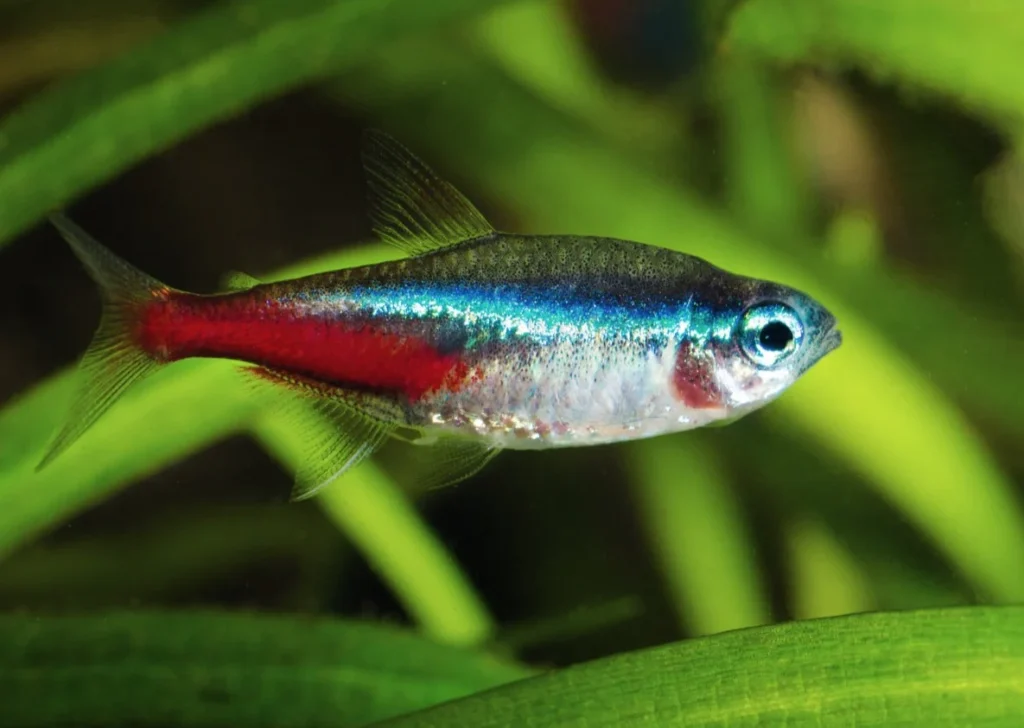
Neon Tetras are small, peaceful schooling fish with striking neon blue and red stripes. They thrive in planted aquariums with calm water and stable conditions. Native to South America, they are perfect for community tanks and display best in groups of 6 or more.
Quick Facts
| Attribute | Details |
|---|---|
| Scientific Name | Paracheirodon innesi |
| Common Names | Neon Tetra |
| Size | 1–1.5 inches (2.5–4 cm) |
| Lifespan | 5–10 years |
| Temperament | Peaceful, social |
| Care Level | Easy to moderate |
| Diet | Omnivore |
| Tank Size | Minimum 10 gallons |
| Origin | South America (Brazil, Colombia, Peru) |
Appearance & Physical Traits
Tiny, streamlined body with bright neon blue stripe from nose to tail
Red stripe runs from mid-body to tail
Males are slightly smaller and slimmer; females are rounder
Extremely vibrant in dim or planted aquariums
Active, schooling fish that flash their colors in groups
Water Requirements
Temperature: 20–26°C (68–79°F)
pH: 6.0–7.0 (slightly acidic to neutral)
Water Type: Freshwater
Hardness: Soft to moderately hard
Gentle filtration and regular water changes are important
Planted tanks with hiding spots make them feel secure
Feeding
Omnivorous; eat flakes, micro-pellets, frozen/live foods (daphnia, brine shrimp)
Feed 1–2 times daily in small portions
Also accept vegetable-based foods like spirulina
A varied diet enhances color and vitality
Health
Neon Tetras are hardy but sensitive to sudden water changes or poor water quality. Stress can lead to diseases like ich. Maintaining clean, stable water and a balanced diet keeps them healthy and vibrant.
Breeding
- Egg-layers; spawn in planted tanks or spawning mops
- Eggs hatch in 24–36 hours
- Fry are tiny and require infusoria or micro-food initially
- Adults may eat eggs, so separate breeding tank recommended
Betta Fish
Betta Fish
Betta Fish are colorful, territorial fish known for their long flowing fins and active behavior. Males are highly aggressive toward each other, while females can live in small groups called sororities. Native to Southeast Asia, Bettas thrive in well-planted tanks with calm water and stable conditions.
Quick Facts
| Attribute | Details |
|---|---|
| Scientific Name | Betta splendens |
| Common Names | Betta Fish, Siamese Fighting Fish |
| Size | 2–3 inches (5–7.5 cm) |
| Lifespan | 3–5 years |
| Temperament | Aggressive (males), peaceful (females in groups) |
| Care Level | Moderate |
| Diet | Carnivore / Omnivore |
| Tank Size | Minimum 5 gallons (10+ for community setup) |
| Origin | Thailand, Cambodia, Vietnam (Southeast Asia) |
Appearance & Physical Traits
- Wide variety of colors: red, blue, green, yellow, white, and metallic
- Fins: long, flowing, and dramatic in males (tail types: veil, crown, halfmoon, delta)
- Males are more colorful with larger fins; females are smaller with shorter fins
- Sleek, streamlined body with iridescent scales
- Showy, elegant swimmers
Water Requirements
Temperature: 24–28°C (75–82°F)
pH: 6.5–7.5 (slightly acidic to neutral)
Water Type: Freshwater
Hardness: Soft to moderately hard
Gentle filtration and frequent water changes maintain health
Provide hiding spots with plants or décor; Bettas prefer calm water
Feeding
- Carnivorous / omnivorous diet: pellets, flakes, frozen/live foods (bloodworms, brine shrimp, daphnia)
- Feed 1–2 times daily in small portions
- Avoid overfeeding to prevent bloating
- Occasional vegetable matter is beneficial for overall health
Health
Betta Fish are hardy but sensitive to poor water quality and sudden changes. Stress or overcrowding can lead to diseases like fin rot, ich, or velvet. Clean, stable water and a balanced diet help them stay healthy and vibrant.
Breeding
- Bettas are bubble nest builders
- Males build bubble nests at the water surface and guard eggs
- Eggs hatch in 24–36 hours
- Fry are tiny and require infusoria or micro-food initially
- After hatching, remove adults to prevent predation
Pygmy Corydoras
Pygmy Corydoras
Pygmy Corydoras are small, peaceful bottom-dwelling fish that thrive in planted community tanks. They are schooling fish, so keeping at least 6 or more is recommended. Native to Brazil, they prefer soft, slightly acidic water and a sandy substrate for foraging.
Quick Facts
| Attribute | Details |
|---|---|
| Scientific Name | Corydoras pygmaeus |
| Common Names | Pygmy Cory, Pygmy Catfish |
| Size | 0.8–1 inch (2–2.5 cm) |
| Lifespan | 3–5 years |
| Temperament | Peaceful, social |
| Care Level | Easy to moderate |
| Diet | Omnivore |
| Tank Size | Minimum 10 gallons |
| Origin | South America (Brazil) |
Appearance & Physical Traits
Tiny, slender body with silver or light gray coloring
Black lateral line running along the body
Fins are small and transparent with subtle markings
Active bottom dwellers that move in synchronized schools
Gentle and non-aggressive, adding life to the tank bottom
Water Requirements
Temperature: 24–28°C (75–82°F)
pH: 6.5–7.5 (slightly acidic to neutral)
Water Type: Freshwater
Hardness: Soft to moderately hard
Gentle filtration and frequent water changes maintain health
Provide hiding spots with plants or décor; Bettas prefer calm water
Feeding
Omnivorous; eat sinking pellets, flakes, frozen/live foods (daphnia, bloodworms)
Also consume vegetable-based foods like algae wafers
Feed 1–2 times daily in small portions
Bottom-foraging behavior ensures all leftover food is consumed
Health
Betta Fish are hardy but sensitive to poor water quality and sudden changes. Stress or overcrowding can lead to diseases like fin rot, ich, or velvet. Clean, stable water and a balanced diet help them stay healthy and vibrant.
Breeding
- Bettas are bubble nest builders
- Males build bubble nests at the water surface and guard eggs
- Eggs hatch in 24–36 hours
- Fry are tiny and require infusoria or micro-food initially
- After hatching, remove adults to prevent predation
Golden Wonder Killifish
Golden Wonder Killifish
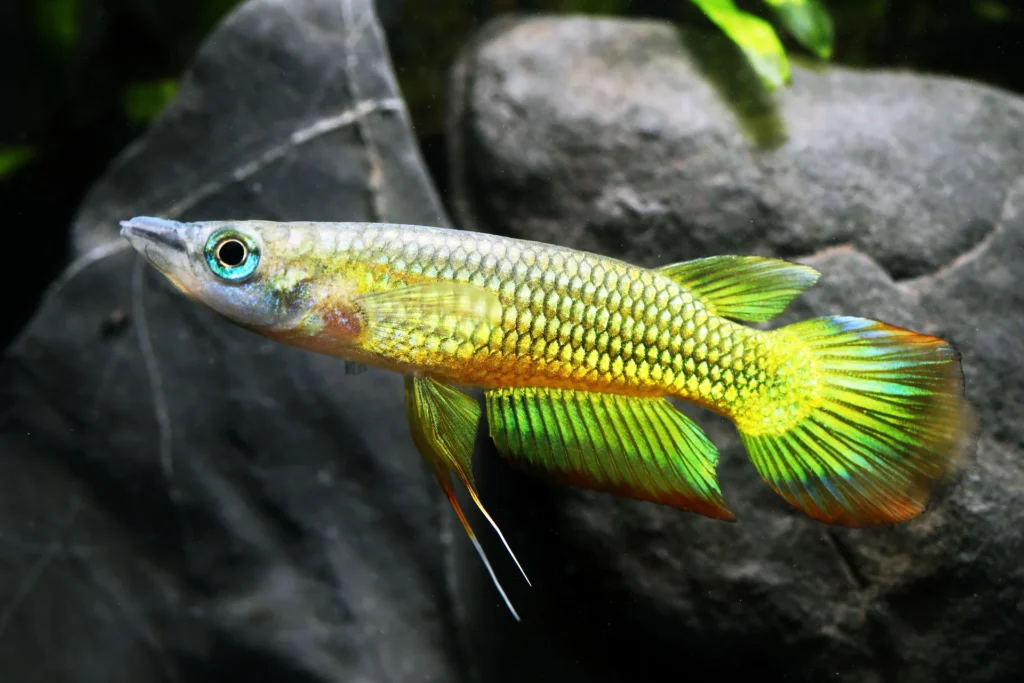
Golden Wonder Killifish are active, surface-dwelling predators. They prefer planted tanks with calm waters and are best kept with fast-moving, larger fish to avoid predation on small species. Native to South Asia, they require stable water conditions and a diet rich in live or frozen foods.
Quick Facts
| Attribute | Details |
|---|---|
| Scientific Name | Aplocheilus lineatus |
| Common Names | Golden Wonder Killifish, Golden Panchax |
| Size | 3–4 inches (7.5–10 cm) |
| Lifespan | 3–5 years |
| Temperament | Semi-aggressive, predator |
| Care Level | Moderate |
| Diet | Carnivore |
| Tank Size | Minimum 20 gallons |
| Origin | South Asia (India, Sri Lanka, Bangladesh) |
Appearance & Physical Traits
- Vibrant golden-yellow body with iridescent scales
- Fins are slightly translucent with subtle orange or red highlights
- Sleek, elongated body with pointed head
- Active, agile swimmers, often patrolling the tank surface
- Predatory appearance makes them visually striking
Water Requirements
- Temperature: 22–28°C (72–82°F)
- pH: 6.5–7.5 (slightly acidic to neutral)
- Water Type: Freshwater
- Hardness: Soft to moderately hard
- Gentle filtration and weekly water changes are recommended
- Provide floating plants for cover and hunting enrichment
Feeding
- Carnivorous diet: live foods (bloodworms, small insects, brine shrimp), frozen foods
- Occasionally accepts high-quality pellets
- Feed once or twice daily, adjusting for appetite
- Avoid keeping very small fish as tankmates—they may be eaten
Health
Golden Wonder Killifish are hardy but sensitive to poor water quality. Stress or sudden changes can lead to illness. Maintaining clean, stable water and a high-protein diet ensures health and vibrant coloration.
Breeding
Egg-layers; spawn over plants or spawning mops
Adults may eat eggs, so a separate breeding tank is recommended
Eggs hatch in 10–14 days, depending on temperature
Fry need infusoria or small live foods initially
White Cloud Mountain Minnow
White Cloud Mountain Minnow
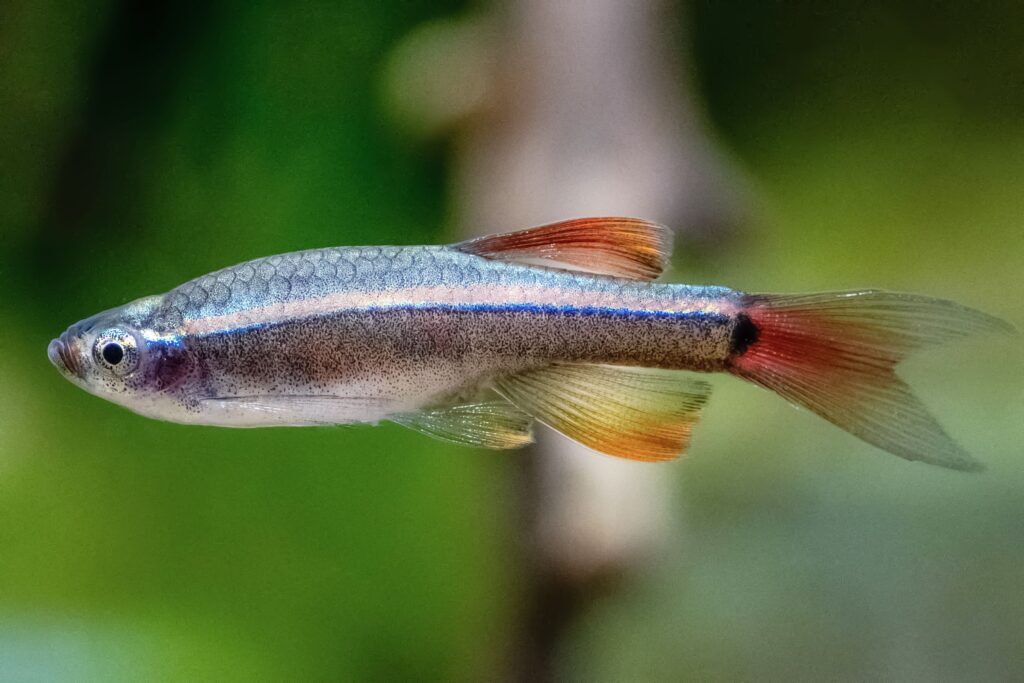
White Cloud Mountain Minnows are hardy, peaceful schooling fish with bright silver bodies and red fins. Native to China, they adapt well to a range of water temperatures and are ideal for beginners. They thrive in groups of 6 or more and are compatible with other small, peaceful fish.
Quick Facts
| Attribute | Details |
|---|---|
| Scientific Name | Tanichthys albonubes |
| Common Names | White Cloud Mountain Minnow |
| Size | 1–1.5 inches (2.5–4 cm) |
| Lifespan | 3–5 years |
| Temperament | Peaceful, social |
| Care Level | Easy |
| Diet | Omnivore |
| Tank Size | Minimum 10 gallons |
| Origin | China (White Cloud Mountain region) |
Appearance & Physical Traits
Small, streamlined body with silvery scales
Red fins with a white tip on the tail
Males slightly slimmer and more colorful; females slightly rounder
Active swimmers, schooling near mid and top levels
Shimmering appearance adds liveliness to tanks
Water Requirements
Temperature: 18–22°C (64–72°F), can tolerate cooler water
pH: 6.5–7.5 (neutral to slightly acidic)
Water Type: Freshwater
Hardness: Soft to moderately hard
Gentle filtration and regular water changes are sufficient
Planted tanks with open swimming space are ideal
Feeding
Omnivorous diet: flakes, micro-pellets, frozen/live foods (daphnia, brine shrimp)
Feed 1–2 times daily in small amounts
Accepts small amounts of plant-based foods
A varied diet maintains vibrant color and energy
Health
White Cloud Mountain Minnows are hardy and adaptable to a wide range of water conditions. Stress or poor water quality can lead to ich or fin rot. Clean water, regular maintenance, and a balanced diet keep them healthy and vibrant.
Breeding
- Egg-layers; spawn in planted tanks or spawning mops
- Eggs hatch in 2–3 days
- Fry are tiny and require infusoria or micro-food initially
- Adults may eat eggs, so a separate breeding tank is recommended
Pygmy Gourami Fish
Pygmy Gourami
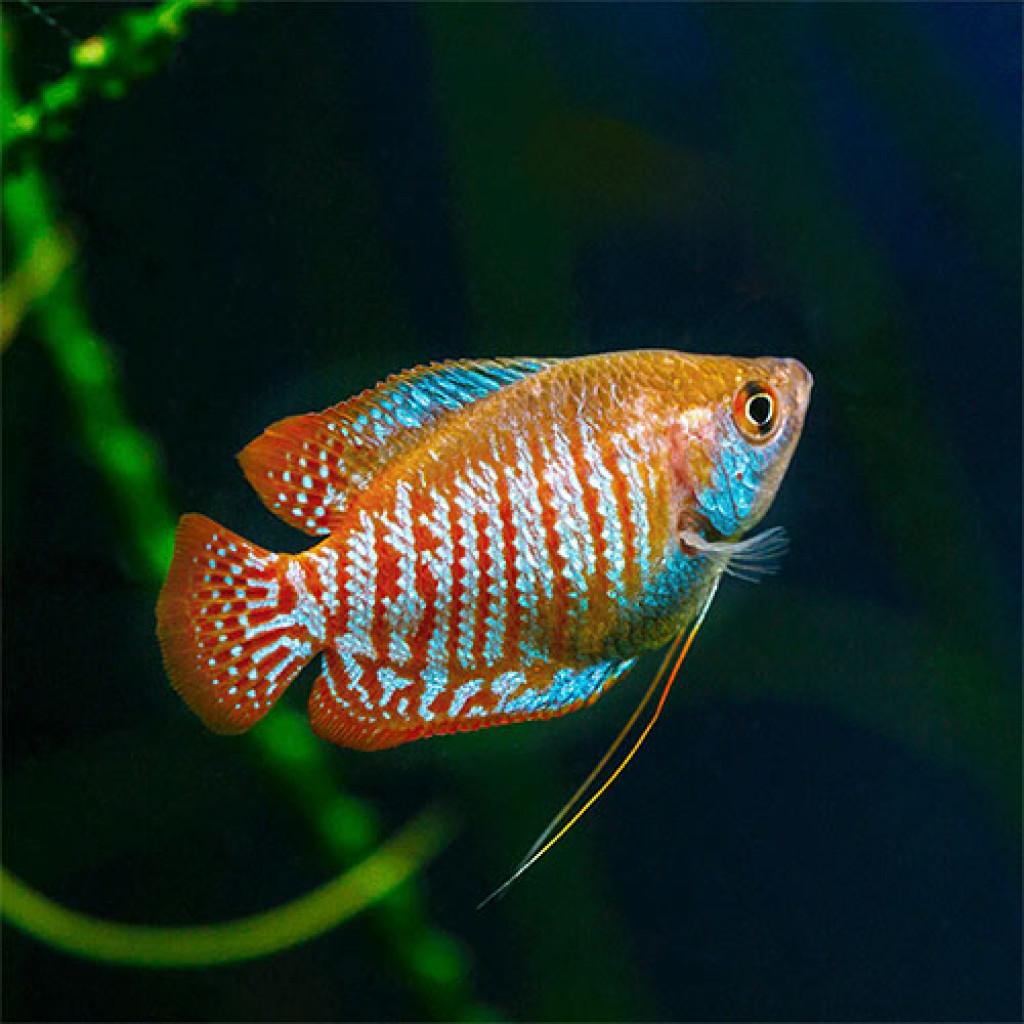
Pygmy Gouramis are small, peaceful fish with shimmering iridescent stripes. They thrive in planted tanks with calm water and enjoy dense vegetation for hiding. Native to Southeast Asia, they are ideal for nano aquariums or peaceful community setups.
Quick Facts
| Attribute | Details |
|---|---|
| Scientific Name | Trichopsis pumila |
| Common Names | Pygmy Gourami |
| Size | 1.2–1.5 inches (3–4 cm) |
| Lifespan | 3–5 years |
| Temperament | Peaceful, shy |
| Care Level | Moderate |
| Diet | Omnivore |
| Tank Size | Minimum 10 gallons |
| Origin | Southeast Asia (Thailand, Cambodia, Vietnam) |
Appearance & Physical Traits
- Tiny, elongated body with iridescent horizontal stripes along the body
- Colors: shades of blue, red, and gold depending on lighting and mood
- Males are slightly more colorful; females are plainer and smaller
- Active but gentle swimmers
- Attractive in groups, often flashing colors when interacting
Water Requirements
- Temperature: 24–28°C (75–82°F)
- pH: 6.0–7.0 (slightly acidic to neutral)
- Water Type: Freshwater
- Hardness: Soft to moderately hard
- Gentle filtration and frequent water changes recommended
- Heavily planted tanks with floating plants provide comfort and security
Feeding
- Omnivorous; eat flakes, micro-pellets, frozen/live foods (daphnia, bloodworms)
- Feed 1–2 times daily in small portions
- Accepts finely chopped vegetable matter or spirulina
- A varied diet promotes vibrant coloration and activity
Health
Pygmy Gouramis are generally hardy but sensitive to poor water quality. Stress can lead to fin rot or ich. Stable water conditions, clean tanks, and a balanced diet keep them healthy and active.
Breeding
- Bubble-nest builders; males create small nests at the water surface
- Eggs hatch in 24–36 hours
- Fry are tiny and require infusoria or micro-food initially
- Dense plants or breeding tanks help protect fry from adults
Zebra Danio Fish
Zebra Danio
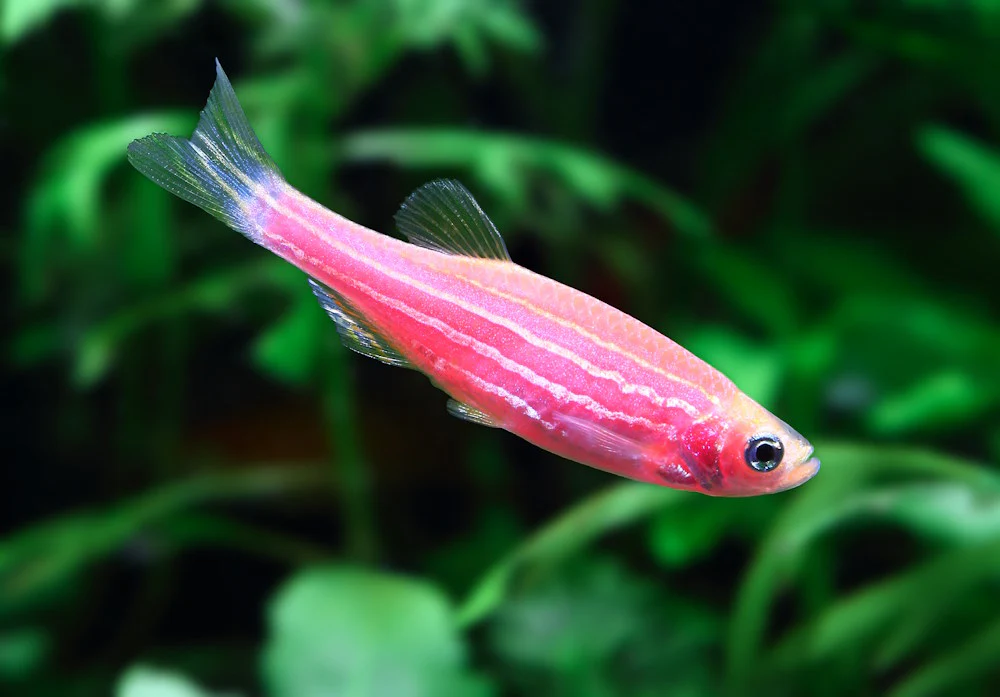
Zebra Danios are active, hardy, and peaceful schooling fish. They thrive in community tanks and are ideal for beginners. Native to South Asia, they adapt well to a wide range of water conditions and are perfect for planted or open aquariums.
Quick Facts
| Attribute | Details |
|---|---|
| Scientific Name | Danio rerio |
| Common Names | Zebra Danio, Zebra Fish |
| Size | 1.5–2 inches (4–5 cm) |
| Lifespan | 3–5 years |
| Temperament | Peaceful, social |
| Care Level | Easy |
| Diet | Omnivore |
| Tank Size | Minimum 10 gallons |
| Origin | South Asia (India, Bangladesh, Nepal) |
Appearance & Physical Traits
Slender, torpedo-shaped body
Horizontal blue and silver stripes from gill to tail
Fins are small and translucent
Males slightly slimmer; females rounder when carrying eggs
Active swimmers, constantly moving in groups
Water Requirements
Temperature: 18–24°C (64–75°F)
pH: 6.5–7.5 (neutral)
Water Type: Freshwater
Hardness: Soft to moderately hard
Hardy and tolerant of slight fluctuations, but clean, well-filtered water is ideal
Planted or open aquariums suitable
Feeding
Zebra Danios are active, small-mouthed omnivores. They thrive on micro-pellets, high-quality flakes, and tiny live or frozen foods like daphnia, baby brine shrimp, or bloodworms. Feed small portions 1–2 times daily, ensuring all food is eaten quickly to prevent water pollution.
Health
Zebra Danios are very hardy and tolerant of a range of water conditions. Stress or poor water quality can still lead to diseases like ich. Maintaining clean water, moderate feeding, and a balanced diet ensures healthy, active fish.
Breeding
Egg-layers; spawn in planted tanks or spawning mops
Eggs hatch in 2–3 days
Fry are tiny and need infusoria or micro-food initially
Adults may eat eggs, so separate breeding tank recommended
Scissortail Rasbora
Scissortail Rasbora
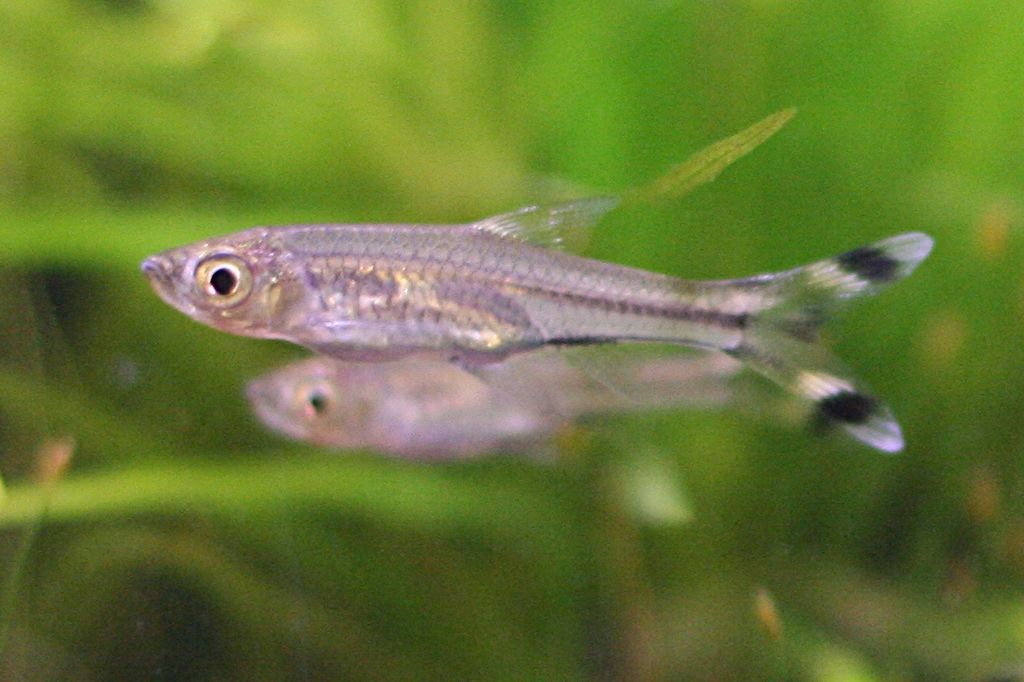
Scissortail Rasboras are active, schooling fish that swim in the mid-levels of the tank. Native to Southeast Asia, they prefer well-planted aquariums with open swimming space and are ideal for peaceful community tanks. They display their signature forked tails when swimming in groups.
Quick Facts
| Attribute | Details |
|---|---|
| Scientific Name | Rasbora trilineata |
| Common Names | Scissortail Rasbora |
| Size | 2–3 inches (5–7.5 cm) |
| Lifespan | 4–6 years |
| Temperament | Peaceful, social |
| Care Level | Easy to moderate |
| Diet | Omnivore |
| Tank Size | Minimum 20 gallons |
| Origin | Southeast Asia (Malaysia, Thailand, Indonesia) |
Appearance & Physical Traits
- Slender, silver body with a subtle blue-green iridescence
- Distinctive forked tail resembling scissors
- Males slightly slimmer and more colorful; females rounder
- Active swimmers, often schooling in synchronized groups
- Bright, elegant appearance enhances community tanks
Water Requirements
- Temperature: 24–28°C (75–82°F)
- pH: 6.5–7.5 (neutral to slightly acidic)
- Water Type: Freshwater
- Hardness: Soft to moderately hard
- Gentle filtration and regular water changes are important
- Planted tanks with open swimming areas are preferred
Feeding
Scissortail Rasboras are omnivorous mid-level feeders. They eat high-quality flakes, micro-pellets, and small live or frozen foods such as daphnia, baby brine shrimp, or bloodworms. Feed 1–2 times daily in small portions and ensure all food is consumed quickly to avoid water fouling.
Health
Scissortail Rasboras are hardy but sensitive to poor water quality. Stress or sudden changes can lead to disease. Maintaining clean, well-filtered water and a balanced diet keeps them healthy, active, and vibrant.
Breeding
Egg-layers; spawn over fine-leaved plants or spawning mops
Eggs hatch in 24–36 hours
Fry are tiny and require infusoria or micro-food initially
Adults may eat eggs, so use a separate breeding tank if possible
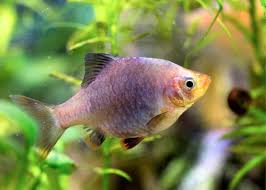
Black Ruby Barb
Black Ruby Barb
The Black Ruby Barb is a small, colorful freshwater tropical fish popular in home aquariums. It is known for its deep ruby-red coloration (in males) and its peaceful, social nature. This fish is native to forest streams in Sri Lanka.
Quick Facts
| Attribute | Details |
|---|---|
| Scientific Name | Pethia nigrofasciata |
| Common Names | Black Ruby Barb, Purplehead Barb |
| Average Size | 5–7 cm (2–3 inches) |
| Typical Lifespan | 4–6 years |
| Tank Environment | Freshwater |
| Minimum Aquarium Size | 20 gallons |
| Ideal Temperature | 22–26°C (72–79°F) |
| Water pH | 6.0 – 7.0 |
| Behavior | Peaceful, social, schooling fish |
Appearance & Physical Traits
Body has dark vertical black stripes.
Adult males develop a bright ruby-red color, especially during breeding .
Females are lighter and less colorful.
Body is slightly rounded and smooth.
Dark fins and shiny scales make them attractive.
Water Requirements
- Prefer clean, soft, slightly acidic water
- Aquarium should include:
- Live plants 🌿
- Hiding spaces
- Open swimming areas
- Dim lighting is ideal
- Slow-moving water is best
Feeding
- Black Ruby Barbs are omnivores
Their diet includes:
High-quality flakes and pellets
Live or frozen foods (bloodworms, brine shrimp)
Plant matter and algae
Health
Black Ruby Barbs are generally hardy and easy-to-care-for fish, making them suitable for beginners. However, they can become stressed or sick if their environment is not properly maintained.
They are sensitive to poor water quality and sudden changes in temperature
Common diseases include fungal infections, fin rot, and ich (white spot disease)
Stress can occur if they are kept alone or in too small groups
Breeding
- Egg-laying fish (egg scatterer)
- Lays eggs among plants
- Can lay 100+ eggs at a time
- Eggs hatch within 24–48 hours
- Parents should be removed (may eat eggs)
Cherry Barb Fish
Cherry Barb
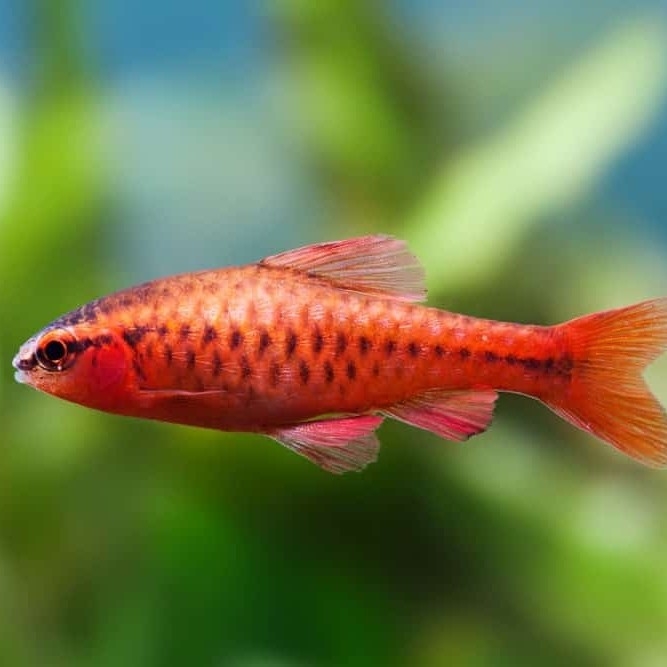
The Cherry Barb is a small, peaceful freshwater tropical fish known for its bright red (cherry-like) color. It is one of the most popular aquarium fish because of its calm nature and easy care. It is native to Sri Lanka.
Quick Facts
| Attribute | Details |
|---|---|
| Scientific Name | Pethia titteya |
| Common Names | Cherry Barb |
| Average Size | 4–5 cm (1.5–2 inches) |
| Typical Lifespan | 4–7 years |
| Tank Environment | Freshwater |
| Minimum Aquarium Size | 15–20 gallons |
| Ideal Temperature | 23–27°C (73–81°F) |
| Water pH | 6.0 – 7.5 |
| Behavior | Peaceful, shy, schooling fish |
Appearance & Physical Traits
- Males have bright cherry-red color 🍒
- Females are lighter (yellowish-brown)
- Slim and small body
- Color becomes brighter during breeding
Water Requirements
- Prefer clean, slightly acidic water
- Tank should have:
- Plants 🌿
- Hiding spots
- Open swimming space
- Soft lighting is ideal
Feeding
- Cherry Barbs are omnivores
- Their diet includes:
- Flakes and pellets
- Small live or frozen foods (bloodworms, daphnia)
- Plant matter
Health
Cherry Barbs are hardy fish but need clean water and stable temperature. They can get ich, fin rot, or fungal infections if stressed or overcrowded. Keep them in groups of 6+, do regular water changes, and feed a balanced diet to stay healthy and colorful.
Breeding
Egg-laying fish
Scatter eggs among plants
Eggs hatch in 1–2 days
Parents may eat eggs, so separation is needed
Congo Tetra Fish
Congo Tetra
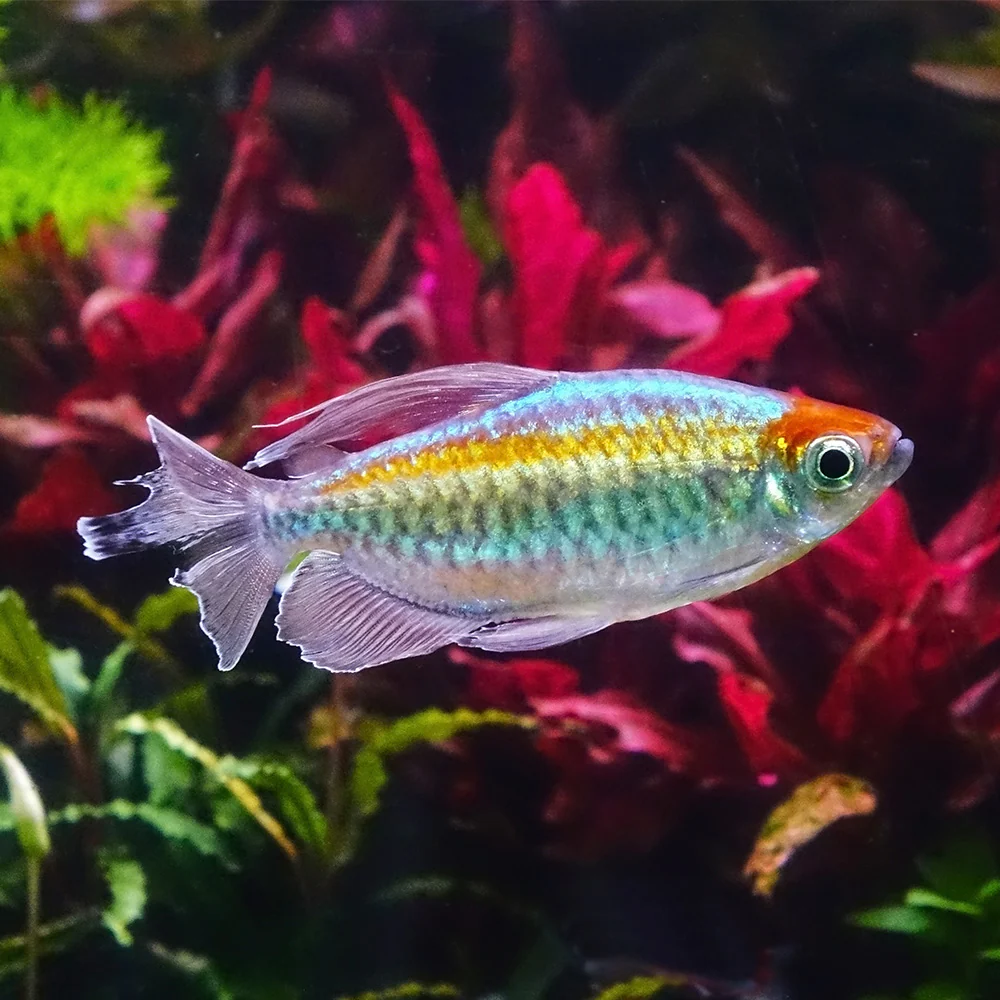
The Congo Tetra is a freshwater tropical fish known for its metallic blue-green body, long flowing fins, and bright orange tail. It is peaceful, active, and popular in community aquariums. This fish is native to Central Africa, mainly the Congo River basin.
Quick Facts
| Attribute | Details |
|---|---|
| Scientific Name | Phenacogrammus interruptus |
| Common Names | Congo Tetra |
| Average Size | 6–8 cm (2.5–3 inches) |
| Typical Lifespan | 5–8 years |
| Tank Environment | Freshwater |
| Minimum Aquarium Size | 30 gallons |
| Ideal Temperature | 23–28°C (73–82°F) |
| Water pH | 6.0 – 7.5 |
| Behavior | Peaceful, schooling, active |
Appearance & Physical Traits
- Metallic blue-green body with sparkling scales ✨
- Long, flowing tail and fins, often orange/red
- Males are more colorful and have longer fins than females
- Active and elegant swimmer
Water Requirements
- Clean, soft, slightly acidic water
- Temperature: 23–28°C
- pH: 6.0–7.5
- Tank should have:
- Lots of swimming space 🌊
- Plants and hiding spots 🌿
- Gentle/moderate lighti
Feeding
- Congo Tetras are omnivores
- Diet includes:
- High-quality flakes & pellets
- Live or frozen foods (brine shrimp, bloodworms)
- Plant matter
Health
Congo Tetras are generally hardy but require stable water conditions. Poor water quality or sudden changes in temperature can cause stress and diseases like ich or fin rot. To keep them healthy, maintain clean water, do regular water changes, keep them in groups, and feed a balanced diet. With proper care, they remain colorful, active, and disease-free.
Breeding
- Egg scatterers
- Eggs hatch in 3–4 days
- Parents may eat eggs, so separate breeding tank is recommended
Beacon Fish
Beacon Fish
The Beacon Fish (also called the Head‑and‑Taillight Tetra) is a small, peaceful freshwater fish known for its distinct reflective spots near its head and tail that look like tiny lights — just like a beacon! 🌟 It’s a popular choice for community aquariums because of its calm nature and eye‑catching look.
Quick Facts
Scientific Name: Hemigrammus ocellifer
Common Names: Beacon Fish, Beacon Tetra, Head‑and‑Tail Light Tetra
Family: Characidae (tetras)
Origin: Rivers & streams of South America (Amazon, Orinoco basins)
Average Size: ~5 cm (2 in)
Lifespan: ~4–5 years
Behavior: Peaceful, schooling fish.
Appearance & Physical Traits
- Silver, torpedo‑shaped body
- Two special reflective spots:
- One near the head
- One near the tail
— these look like tiny “lights” or beacons - Red and gold accents add color contrast
Water Requirements
- Water pH: 6.0–8.0
- Temperature: 24–28 °C (75–82 °F)
- Best conditions:
- Well‑planted aquarium
- Soft, slightly acidic water
- Floating plants for shade
- Open swimming space
- Keep a tight lid — these fish may jump
Feeding
- Diet type: Omnivorous
- Food options:
- Flakes & pellets
- Live or frozen foods (brine shrimp, bloodworms, daphnia)
- Feeding frequency: 1–2 small portions daily
- Tips: Avoid overfeeding to keep water clean and fish healthy
Health
Beacon Fish stay healthy when kept in a clean, stable environment. Poor water quality or sudden changes in temperature can stress them and lead to health issues like fin rot or fungus. Regular water changes, good filtration, and a balanced diet help keep them active and vibrant.
Breeding
Egg scatterers — females lay eggs among plants
Eggs hatch in about 1–2 days
Parents should be separated after spawning to protect eggs/fry
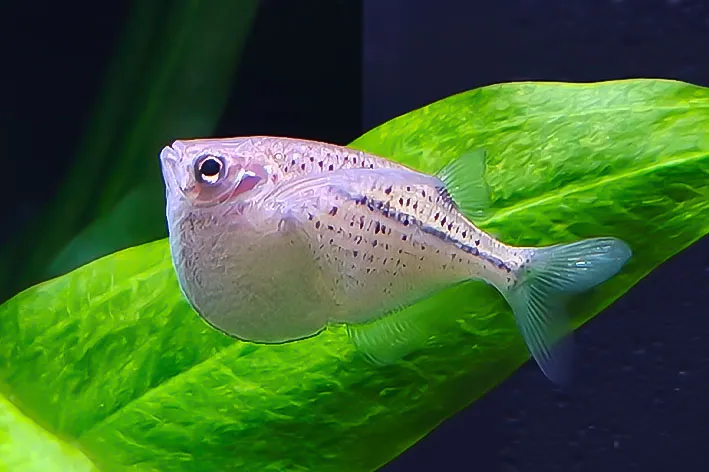
Hachet fish
Hachet fish
The Hachetfish is a unique freshwater fish famous for its knife-shaped, laterally compressed body that lets it glide above the water. Small, peaceful, and fascinating to watch, it’s a favorite for aquarists who love surface-dwelling fish.
Quick Facts
Scientific Name: Gasteropelecus sternicla
Common Names: Silver Hachetfish, Common Hachetfish
Average Size: 4–6 cm (1.5–2.5 in)
Lifespan: 3–5 years
Tank Type: Freshwater
Minimum Tank Size: 20 gallons
Temperature: 23–27°C (73–81°F)
Water pH: 6.0–7.5
Behavior: Peaceful, surface-dwelling, schooling
Appearance & Physical Traits
- Knife-shaped, laterally compressed body
- Silver metallic sheen ✨
- Upturned mouth for surface feeding
- Small fins, elegant and active swimmer
Water Requirements
- Clean, soft, slightly acidic water
- Temperature: 23–27°C
- pH: 6.0–7.5
- Tank setup:
- Lots of surface swimming space
- Floating plants for cover
- Gentle lighting
Feeding
Diet type: Omnivorous, prefers high-protein foods
Food options:
Flakes & pellets
Live or frozen foods (daphnia, brine shrimp, small insects)
Feeding frequency: 2–3 small portions daily
Tips: Avoid overfeeding to keep water clean and fish healthy
Health
Hachetfish are generally hardy but require clean, stable water to stay healthy. They are sensitive to poor water quality and sudden temperature changes, which can cause stress and lead to fin rot, fungal infections, or other common diseases. To keep them healthy, maintain regular water changes, proper filtration, a balanced diet, and keep them in groups of 6 or more. With these conditions, Hachetfish remain active, vibrant, and safe from disease.
Breeding
Egg scatterers
Breeding is difficult in home aquariums
Eggs hatch in 2–3 days under ideal conditions