careofpet.in

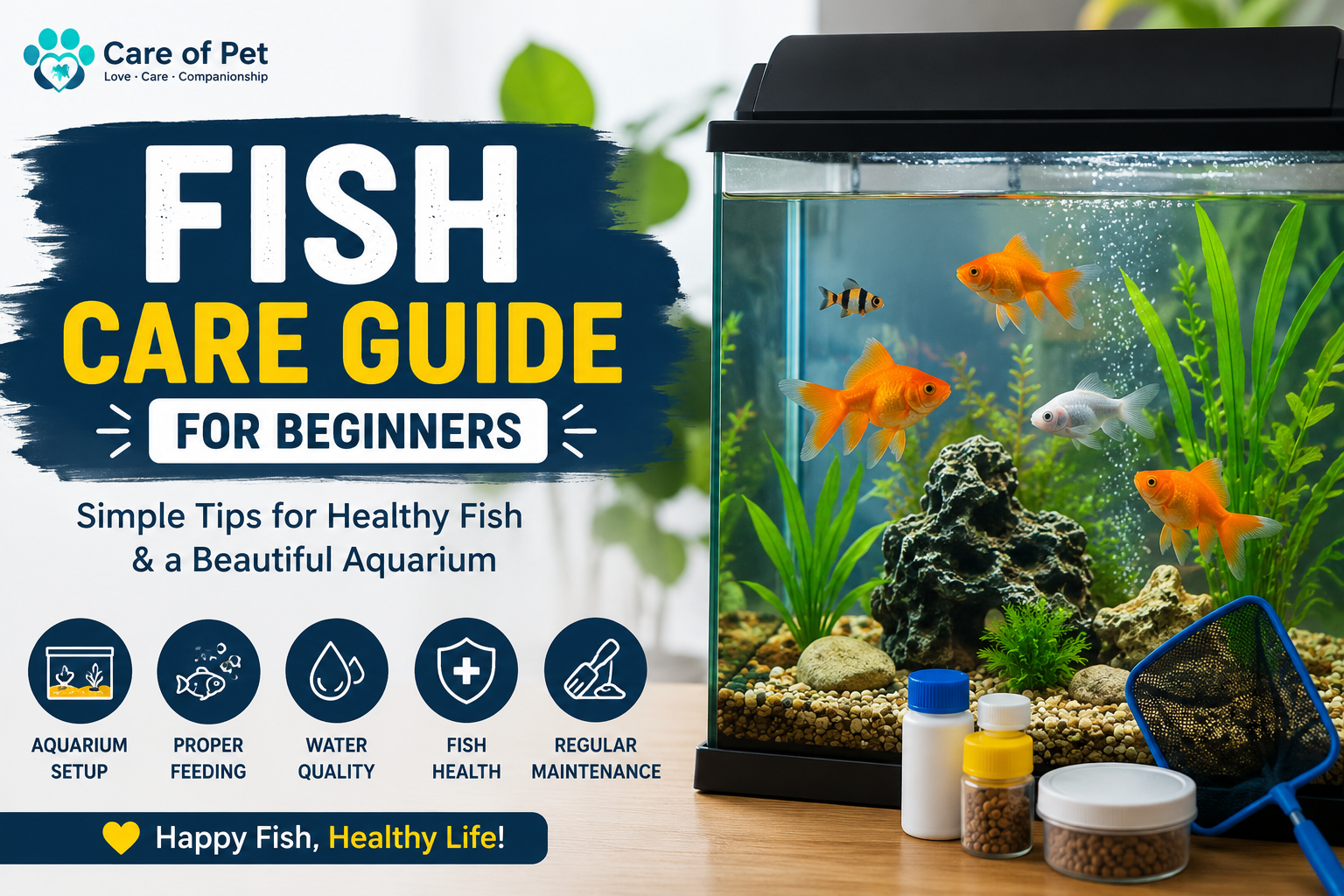
How To Take Care of Fish: Beginner Guide

Keeping fish is one of the easiest and most relaxing hobbies. However, many beginners make mistakes that can affect the health of their fish. This Fish Care Guide will help you understand everything you need to know, from choosing the right aquarium to feeding your fish properly.

At Care of Pet, we believe that healthy fish need a clean environment, balanced nutrition, and regular care. This Fish Care Guide is designed to help beginners create a healthy aquarium, avoid common mistakes, and keep their fish happy and thriving. Follow this beginner-friendly guide to maintain a beautiful aquarium and ensure your fish live a long, healthy life.

Why Fish Care Is Important

Proper fish care increases the lifespan of your fish and helps prevent diseases. A well-maintained aquarium also creates a stress-free environment where fish can swim, eat, and grow naturally. Following this Fish Care Guide will help you provide the right care, maintain excellent water quality, and ensure your fish stay healthy and active for years.

Benefits of proper fish care include:

  • Healthier and more active fish
  • Cleaner aquarium water
  • Reduced risk of diseases
  • Longer lifespan
  • Better aquarium appearance

Choose the Right Aquarium

The first step in this Fish Care Guide is selecting the correct tank.

Consider these factors:

  • A minimum 20-liter tank for beginners
  • Glass or acrylic aquarium
  • Strong stand with proper support
  • Enough space for fish to swim comfortably

Avoid overcrowding because too many fish can lead to poor water quality.

Install Essential Aquarium Equipment

Every healthy aquarium needs basic equipment.

Aquarium Filter

A filter removes waste and keeps the water clean.

Heater

Tropical fish require stable temperatures between 24°C and 28°C.

LED Light

Provide 8–10 hours of light daily to maintain a natural day-night cycle.

Thermometer

Monitor water temperature regularly.

Cycle the Aquarium Before Adding Fish

Fish Care Guide for Beginners Aquarium Setup

One of the biggest beginner mistakes is adding fish immediately after setting up the aquarium.

Allow the tank to cycle for 2–4 weeks so beneficial bacteria can develop. These bacteria help remove harmful ammonia and nitrites.

This is one of the most important steps in any Fish Care Guide.

Feed Fish Properly

Overfeeding is a common mistake among beginners.

Feed your fish:

  • Once or twice daily
  • Only the amount they can finish within 2 minutes
  • High-quality fish food
  • Occasionally frozen or live food (depending on species)

Remove leftover food to prevent water pollution.

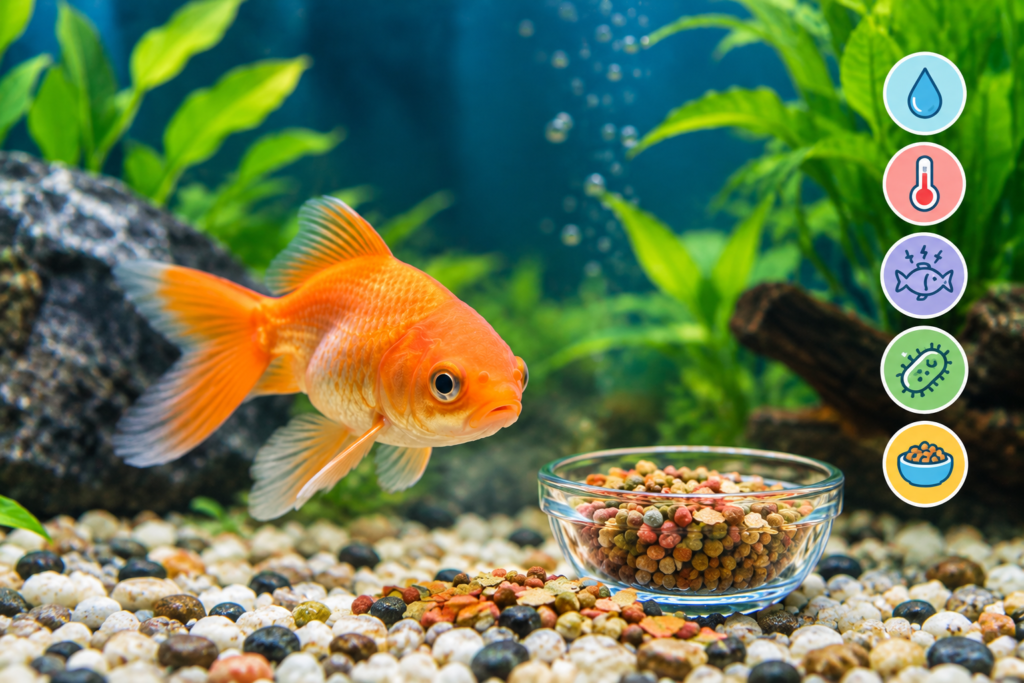
Maintain Good Water Quality

Clean water is the key to healthy fish.

Check these water parameters regularly:

  • pH level
  • Ammonia
  • Nitrite
  • Nitrate
  • Water temperature

Perform a 20–30% water change every week.

Good water quality is the foundation of excellent Fish Care Guide practices.

Decorate the Aquarium Naturally

Fish feel safer in a natural environment.

Add:

  • Live or artificial plants
  • Rocks
  • Driftwood
  • Hiding caves

Avoid decorations with sharp edges that can injure fish.

Choose Compatible Fish

Not all fish species can live together.

Research before mixing fish.

Good beginner fish include:

  • Guppy
  • Molly
  • Platy
  • Zebra Danio
  • Neon Tetra
  • Corydoras

Avoid keeping aggressive species with peaceful fish.

Watch for Signs of Illness

Healthy fish are active and eat regularly.

Warning signs include:

  • White spots
  • Torn fins
  • Difficulty swimming
  • Loss of appetite
  • Rapid breathing
  • Staying at the bottom of the tank

If you notice these symptoms, isolate the sick fish and check water quality immediately.

Clean the Aquarium Regularly

Routine maintenance keeps fish healthy.

Weekly tasks:

  • Change 20–30% of the water
  • Clean algae from the glass
  • Rinse filter media using aquarium water
  • Remove dead plants and waste
  • Test water parameters

Never replace all the water at once because it removes beneficial bacteria.

Common Fish Care Mistakes

Many beginners make these mistakes:

  • Overfeeding fish
  • Small aquarium size
  • Skipping water changes
  • Mixing incompatible fish
  • Not cycling the aquarium
  • Cleaning the filter with tap water
  • Sudden temperature changes

Avoiding these mistakes will keep your fish healthy and stress-free.

Best Fish for Beginners

If you’re new to fish keeping, these species are easy to care for:

FishDifficultyLifespan
GuppyEasy2–3 Years
MollyEasy3–5 Years
PlatyEasy3–4 Years
Zebra DanioEasy3–5 Years
Neon TetraEasy5–8 Years
CorydorasEasy5–10 Years

Frequently Asked Questions (FAQs)

How often should I feed my fish?

Feed fish once or twice daily with only the amount they can eat within two minutes.

How often should I change aquarium water?

Change 20–30% of the aquarium water every week.

Can fish survive without a filter?

Some hardy fish can survive temporarily, but a filter is highly recommended for maintaining healthy water conditions.

Which fish is best for beginners?

Guppies, Mollies, Platies, and Zebra Danios are excellent beginner-friendly fish.

How long should aquarium lights stay on?

Keep the lights on for 8–10 hours per day.

Conclusion

Following this Fish Care Guide will help you build a healthy aquarium and keep your fish happy for years. Remember that successful fish keeping depends on clean water, proper feeding, compatible fish, and regular maintenance.

At Care of Pet, our goal is to provide reliable pet care information that helps every pet owner become more confident. Explore our other guides on fish health, aquarium maintenance, fish food, and beginner pet care tips to give your aquatic pets the best life possible.

Top 10 Best Cat Food Brands in India for Indoor Cats (2026 Guide)

Indoor cats have different nutritional needs compared to outdoor cats. Since they are generally less active, they require a balanced diet that supports healthy weight, digestion, immunity, and overall well-being. Choosing the right cat food can help your feline friend live a healthier and happier life.

In this guide, we’ll explore the Best Cat Food Brands in India for indoor cats and help you select the ideal option for your pet.

Why Choose the Best Cat Food Brands in India for Indoor Cats?

Indoor cats typically:

  • Get less physical exercise
  • Are more prone to weight gain
  • Need support for hairball control
  • Require balanced protein and fat levels
  • Benefit from digestive health ingredients

A high-quality cat food formula can help meet these needs while keeping your cat active and healthy.

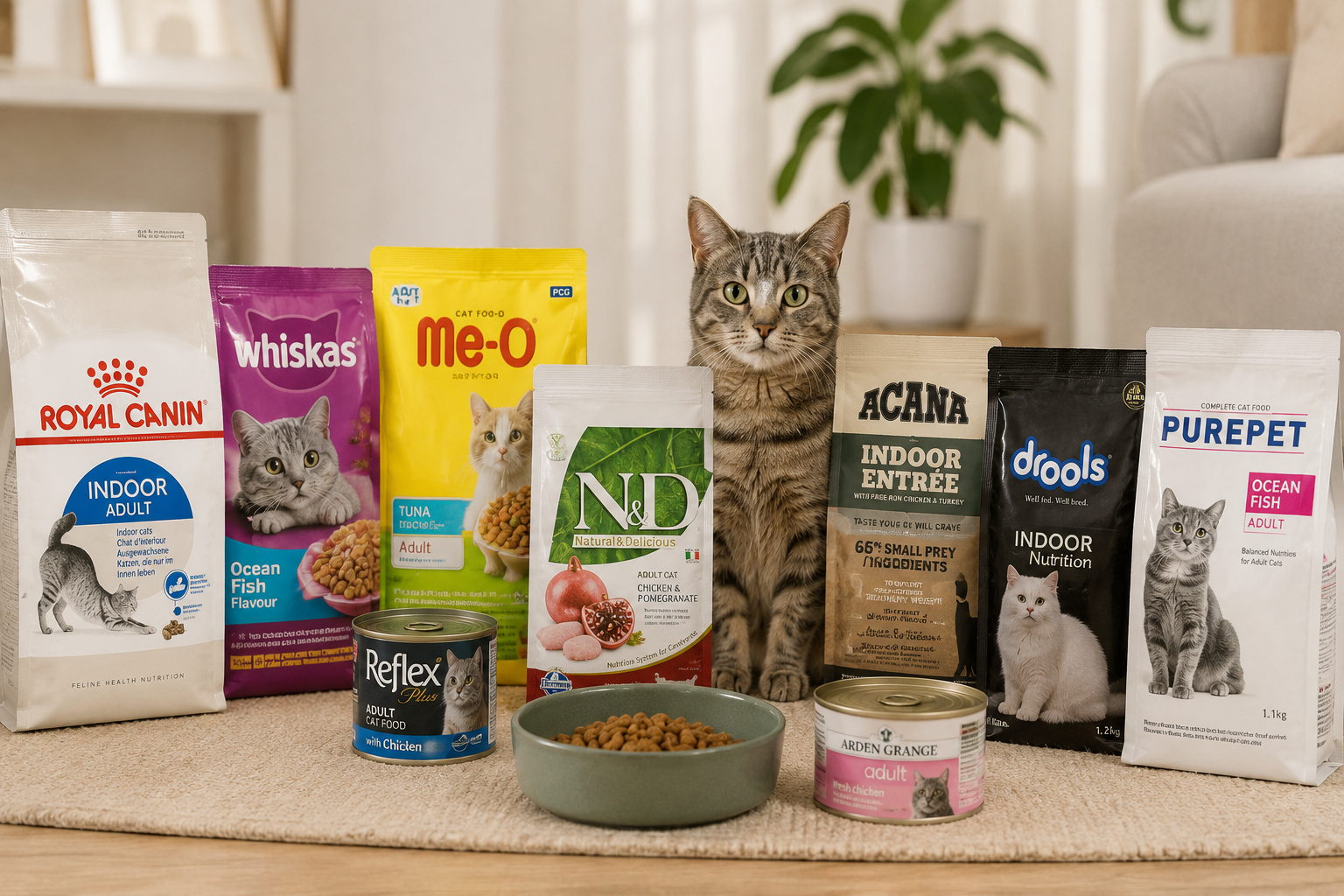
Top 10 Best Cat Food Brands in India for Indoor Cats

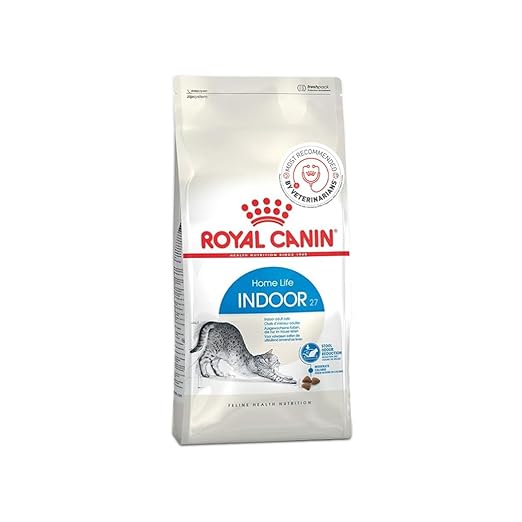
1. Royal Canin Indoor Adult Cat Food

Royal Canin is one of the most trusted pet food brands worldwide. Its Indoor Adult formula is specially designed for indoor cats.

Benefits:

  • Supports healthy digestion
  • Reduces stool odor
  • Helps maintain ideal weight
  • Promotes healthy skin and coat

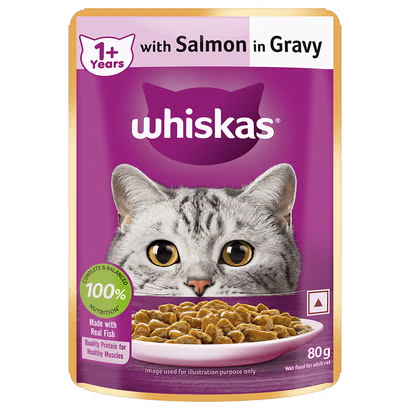
2. Whiskas Adult Cat Food

Whiskas is a popular and affordable option available across India.

Benefits:

  • Complete and balanced nutrition
  • Rich in essential vitamins and minerals
  • Available in multiple flavors
  • Suitable for adult indoor cats

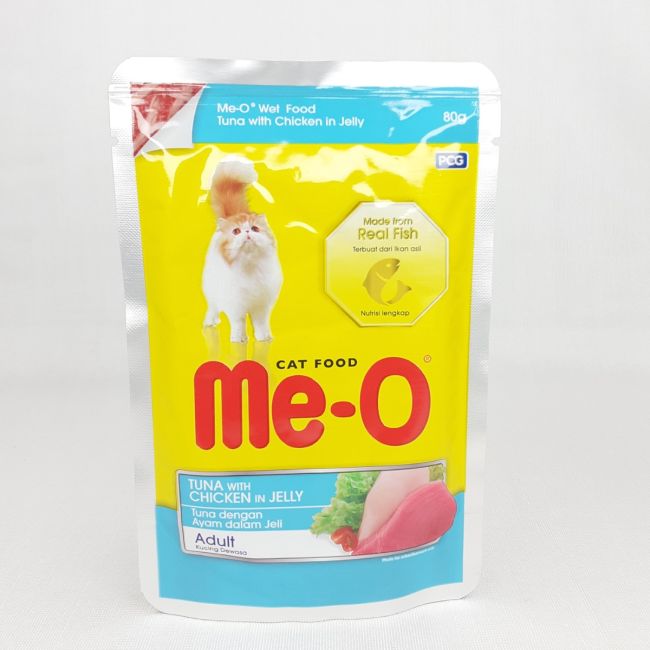
3. Me-O Cat Food

Me-O offers quality nutrition at a budget-friendly price.

Benefits:

  • Supports urinary health
  • Contains taurine for eye health
  • Helps maintain healthy skin and coat
  • Highly palatable for picky eaters

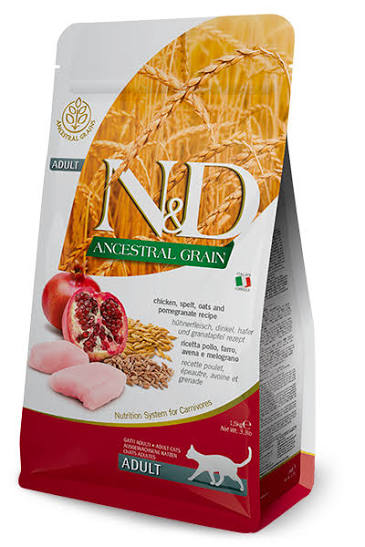
4. Farmina N&D Cat Food

Farmina N&D is a premium cat food brand known for its natural ingredients.

Benefits:

  • High animal protein content
  • Grain-free options available
  • Supports digestive health
  • Rich in antioxidants

5. Orijen Cat Food

Orijen provides biologically appropriate nutrition inspired by a cat’s natural diet.

Benefits:

  • High protein formula
  • Fresh animal ingredients
  • Supports lean muscle maintenance
  • Excellent ingredient quality

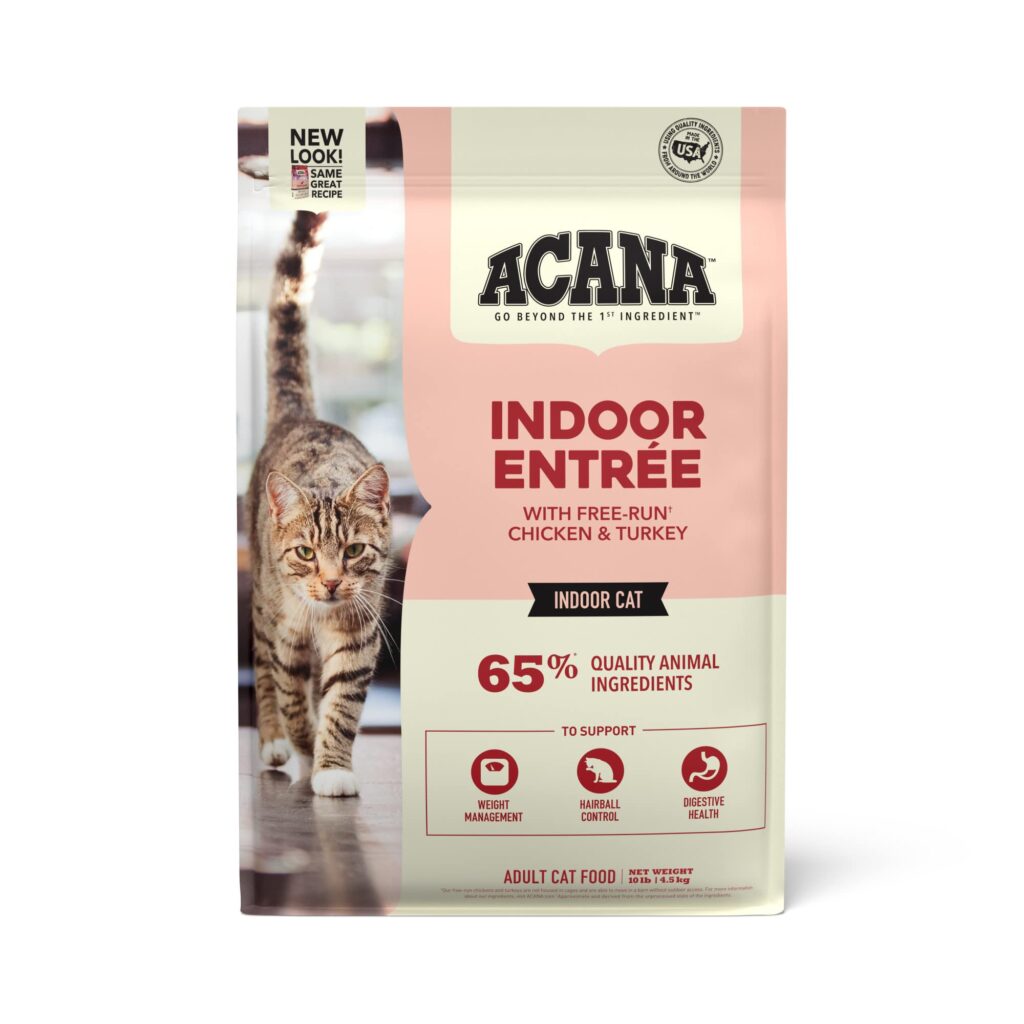
6. Acana Cat Food

Acana is another premium brand known for high-quality protein sources.

Benefits:

  • Rich in fresh meat ingredients
  • Balanced nutrition
  • Supports healthy weight management
  • Suitable for indoor cats

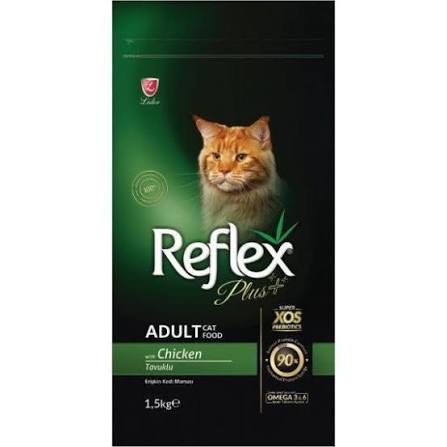
7. Reflex Plus Cat Food

Reflex Plus has gained popularity among Indian pet owners due to its nutritional profile.

Benefits:

  • Supports immunity
  • Contains prebiotics for digestion
  • Promotes healthy skin and coat
  • Affordable premium option

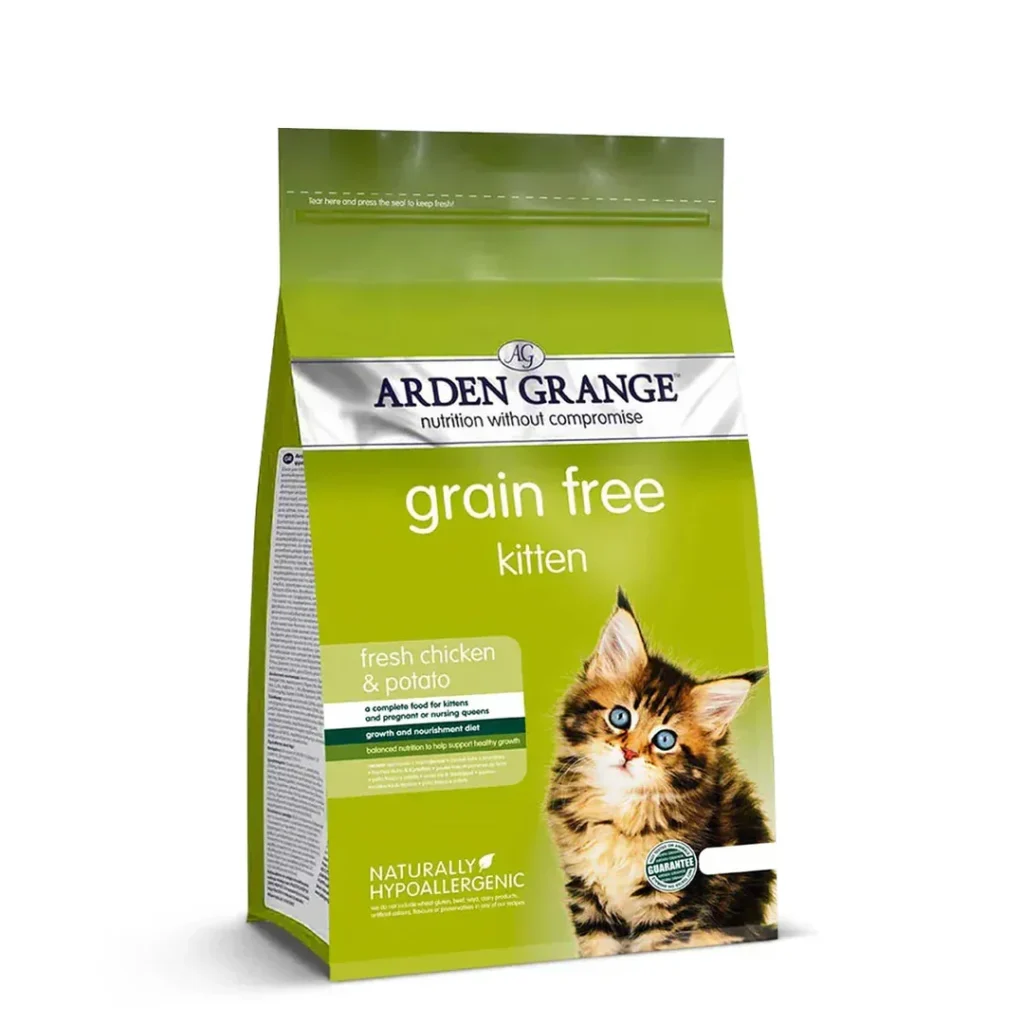
8. Arden Grange Cat Food

Arden Grange offers premium nutrition with carefully selected ingredients.

Benefits:

  • Hypoallergenic formula
  • Supports digestive health
  • Free from artificial colors and preservatives
  • Suitable for sensitive cats

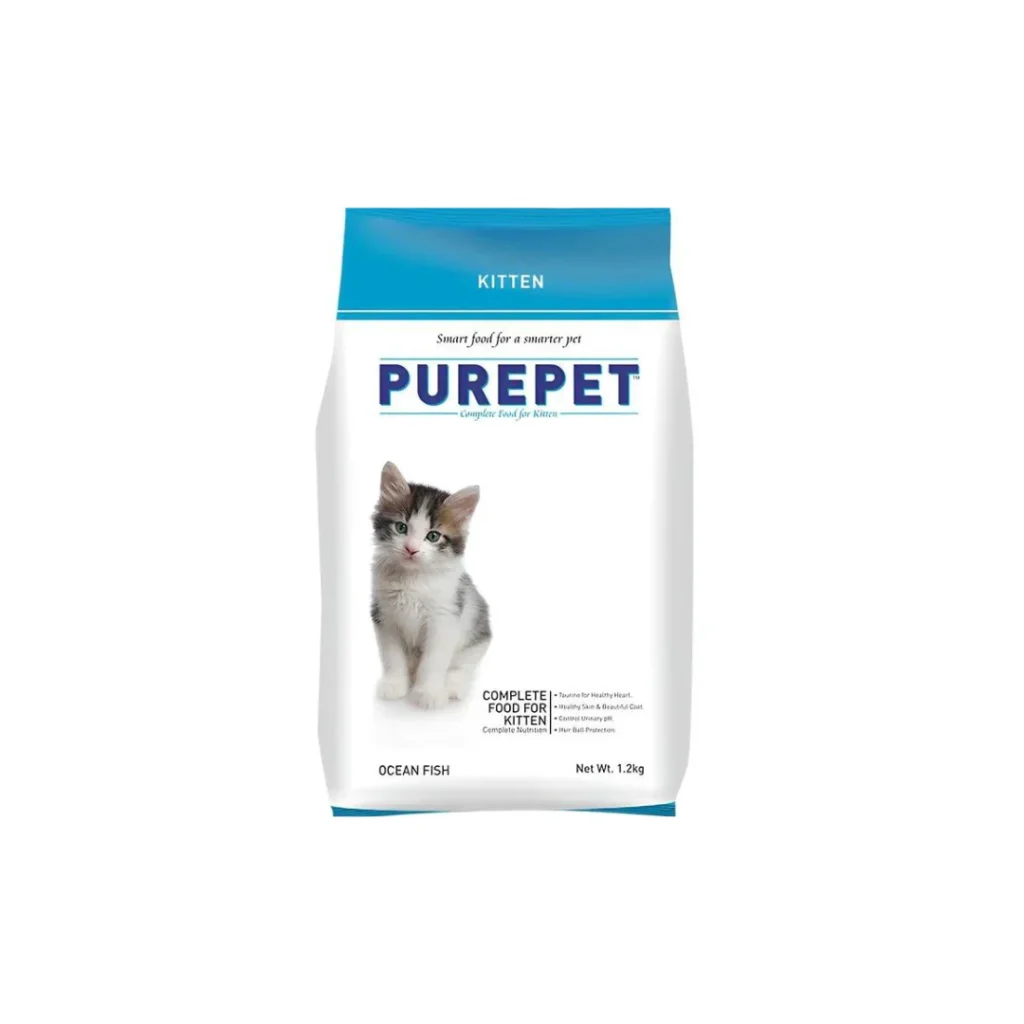
9. Purepet Cat Food

Purepet is a budget-friendly choice for cat owners looking for complete nutrition.

Benefits:

  • Affordable pricing
  • Balanced nutrients
  • Easily available in India
  • Suitable for adult cats

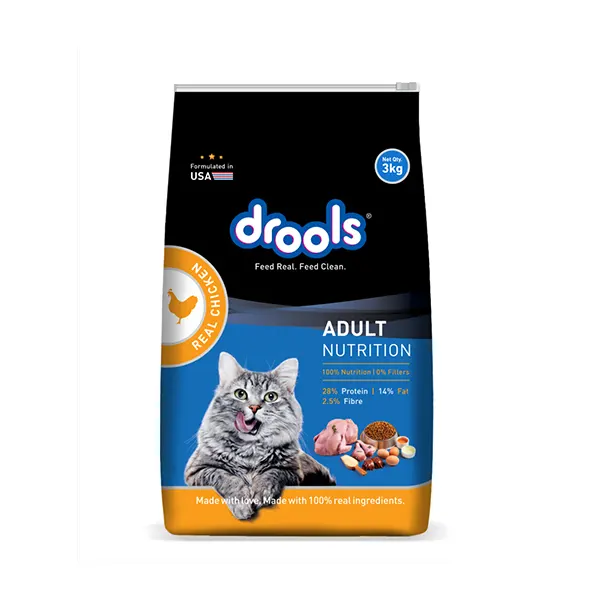
10. Drools Cat Food

Drools has become a trusted Indian pet food brand.

Benefits:

  • High-quality ingredients
  • Supports immunity and digestion
  • Affordable and widely available
  • Good option for indoor cats

How to Choose the Best Cat Food for Indoor Cats

Before purchasing cat food, consider the following factors:

Age of Your Cat

Choose food designed for kittens, adults, or senior cats.

Protein Content

Cats are obligate carnivores and require high-quality animal protein.

Weight Management

Indoor cats may gain weight more easily, so select formulas that support healthy weight control.

Digestive Health

Look for ingredients such as prebiotics and dietary fiber.

Hairball Control

Indoor cats often groom themselves frequently, making hairball management important.

Foods to Avoid Feeding Your Cat

Avoid giving your cat:

  • Chocolate
  • Onions
  • Garlic
  • Grapes and raisins
  • Alcohol
  • Excess dairy products
  • Raw fish in large quantities

These foods can be harmful to your cat’s health.

Frequently Asked Questions

Which is the best cat food brand in India?

Royal Canin, Farmina N&D, Orijen, Acana, and Whiskas are among the most trusted options available in India.

Is dry food good for indoor cats?

Yes. High-quality dry food can provide balanced nutrition when paired with adequate water intake.

How often should I feed my indoor cat?

Most adult indoor cats are fed two meals per day, but feeding schedules may vary depending on age and activity level.

Is grain-free cat food better?

Not necessarily. Grain-free food may benefit some cats, but most healthy cats can digest grains without issues.

Conclusion

Choosing from the Best Cat Food Brands in India can help improve your indoor cat’s health, digestion, coat quality, and overall well-being. Whether you select Royal Canin, Farmina N&D, Orijen, Acana, or Whiskas, the Best Cat Food Brands in India offer options for every budget and nutritional need.

A healthy diet, fresh water, regular veterinary care, and daily playtime will help your indoor cat stay active, happy, and healthy throughout life.

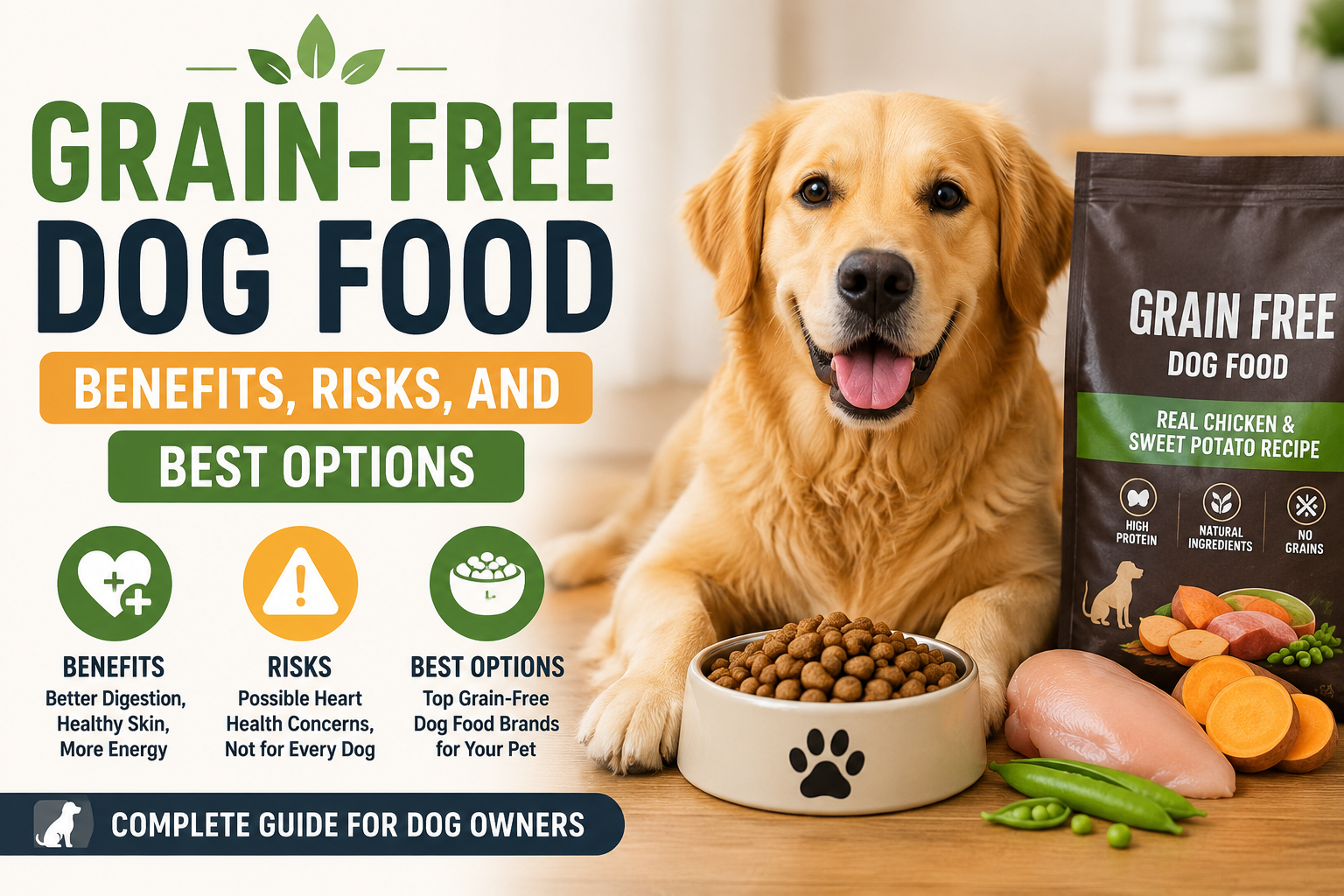
Grain-Free Dog Food: Benefits, Risks, and Best Options (2026 Guide)

Choosing the right food for your dog is one of the most important decisions for their health. In recent years, grain-free dog food has become increasingly popular among pet owners. Many people believe it is a healthier option, especially for dogs with allergies or sensitive digestion. However, grain-free diets may not be suitable for every dog.

In this guide, we’ll explore the benefits, potential risks, and the best grain-free dog food options available for your pet.

What Is Grain-Free Dog Food?

Grain-free dog food is formulated without common grains such as:

  • Wheat
  • Corn
  • Rice
  • Barley
  • Oats

Instead, these foods use alternative carbohydrate sources like:

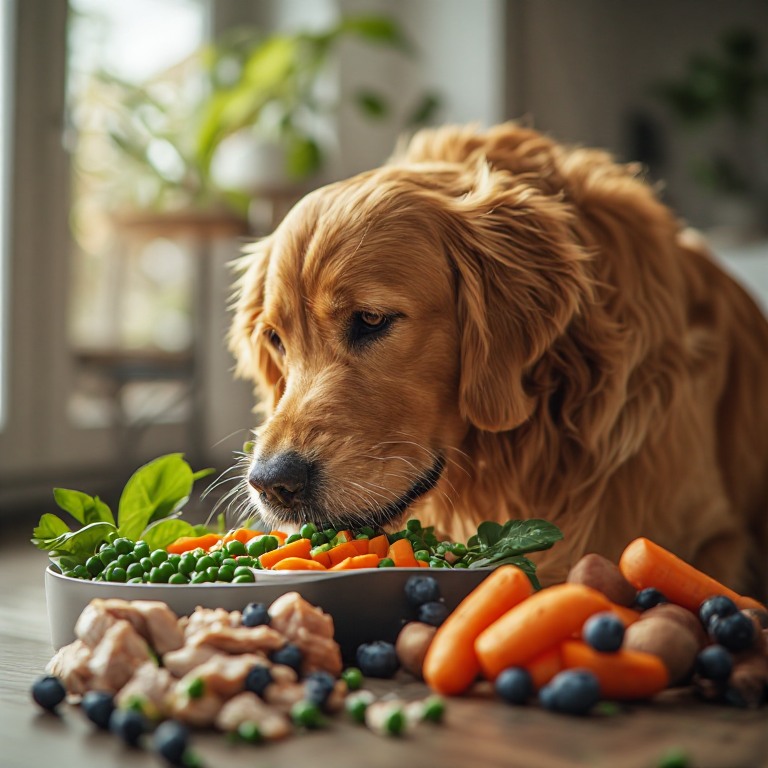
  • Sweet potatoes
  • Peas
  • Lentils
  • Chickpeas
  • Potatoes

Most grain-free formulas also contain a higher percentage of animal-based protein.

Benefits of Grain-Free Dog Food

1. May Help Dogs with Grain Sensitivities

Some dogs experience digestive discomfort or skin issues after consuming certain grains. Grain-Free Dog Food may help reduce these symptoms by providing an alternative diet that is easier for some dogs to digest. Common signs that your dog may benefit from Grain-Free Dog Food include:

  • Itchy skin
  • Excessive scratching
  • Digestive upset
  • Ear infections

2. Supports Healthy Digestion

Many grain-free formulas contain easily digestible ingredients, making them suitable for dogs with sensitive stomachs.

3. Higher Protein Content

Premium grain-free dog foods often contain more meat-based protein, which helps support:

  • Muscle development
  • Energy levels
  • Overall health

4. Improved Skin and Coat Health

The high-quality proteins and healthy fats found in many grain-free foods can contribute to a shinier coat and healthier skin.

Potential Risks of Grain-Free Dog Food

1. Not Necessary for Most Dogs

Most dogs can digest grains without any problems. Whole grains provide valuable nutrients, fiber, and energy.

2. Possible Heart Health Concerns

The U.S. FDA has investigated a possible link between certain grain-free diets and a heart condition known as Dilated Cardiomyopathy (DCM). While research is ongoing, pet owners should consult their veterinarian before making major dietary changes.

3. Can Be More Expensive

Grain-free dog food is often priced higher than traditional dog food because of its premium ingredients.

Best Grain-Free Dog Food Options

1. Orijen Original Dog Food

Key Features:

  • High meat content
  • Grain-free formula
  • Rich in protein
  • Suitable for active dogs

2. Farmina N&D Grain-Free

Key Features:

  • Premium ingredients
  • No artificial preservatives
  • Balanced nutrition
  • Excellent digestibility

3. Acana Grain-Free Dog Food

Key Features:

  • Fresh animal ingredients
  • Grain-free recipe
  • Suitable for all breeds

4. Taste of the Wild

Key Features:

  • Unique protein sources
  • Grain-free formulation
  • Added probiotics for digestion

Is Grain-Free Dog Food Right for Your Dog?

Grain-free dog food may be a good choice if your dog:

  • Has confirmed grain allergies
  • Experiences digestive issues related to grains
  • Has been recommended a grain-free diet by a veterinarian

However, if your dog is healthy and thriving on a balanced diet that includes grains, there may be no need to switch.

How to Transition to Grain-Free Dog Food

If you decide to change your dog’s diet, do so gradually over 7–10 days:

DayOld FoodNew Food
1–375%25%
4–650%50%
7–825%75%
9–100%100%

A slow transition helps prevent digestive upset.

Frequently Asked Questions

Is grain-free dog food better than regular dog food?

Not necessarily. The best diet depends on your dog’s individual health needs and nutritional requirements.

Can puppies eat grain-free dog food?

Some puppies can, but it is important to choose a formula designed specifically for growing dogs and consult your veterinarian.

Does grain-free dog food help with allergies?

It may help if your dog has a confirmed grain sensitivity, but many dog allergies are actually caused by proteins rather than grains.

Conclusion

Grain-Free Dog Food can offer benefits for dogs with specific dietary sensitivities, but it is not automatically better for every pet. Before switching, consider your dog’s health, consult a veterinarian, and choose a high-quality brand with balanced nutrition. The right diet can help your dog maintain healthy digestion, strong muscles, and a happy, active life.

Heatstroke in Pets: How to Spot It, What to Do, and When to Rush to the Vet

Hot weather can be dangerous for pets. Heatstroke in pets is a serious medical emergency that occurs when a dog’s or cat’s body temperature rises to dangerous levels and they cannot cool themselves effectively. Without quick treatment, heatstroke can lead to organ damage and even death.

What Causes Heatstroke in Pets?

Heatstroke in Pets

Heatstroke can occur when pets are exposed to high temperatures for too long. Common causes include:

  • Being left in a parked car
  • Excessive exercise during hot weather
  • Lack of shade or water
  • High humidity levels
  • Poor ventilation

Dogs with thick coats, senior pets, overweight pets, and flat-faced breeds are at higher risk.

Signs of Heatstroke in Pets

Recognizing heatstroke in pets early can save lives. Watch for these symptoms:

  • Excessive panting
  • Drooling
  • Rapid heartbeat
  • Bright red gums
  • Weakness or lethargy
  • Vomiting or diarrhea
  • Difficulty breathing
  • Confusion or disorientation
  • Collapse or seizures

What to Do If Your Pet Has Heatstroke

uick action is essential when a pet shows symptoms of heatstroke:

1. Move Your Pet to a Cool Area

Take your pet indoors or to a shaded location.

2. Offer Cool Water

Provide small amounts of cool drinking water. Do not force your pet to drink.

3. Cool the Body Gradually

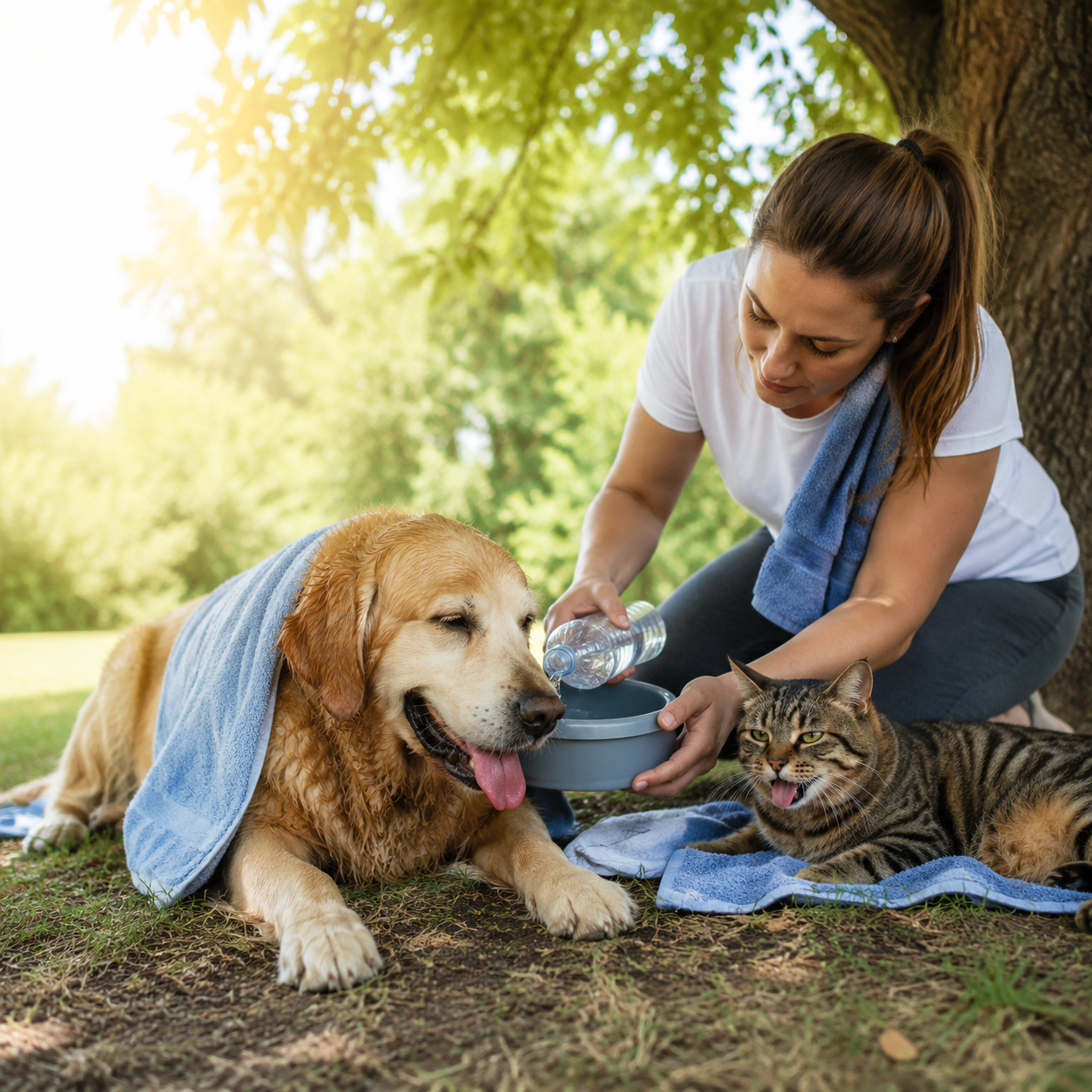
Use cool (not ice-cold) water on the paws, belly, and body. You can also use wet towels and fans.

4. Contact a Veterinarian

Even if your pet seems to improve, veterinary evaluation is important.

When to Rush to the Vet

Seek emergency veterinary care immediately if your pet:

  • Collapses
  • Has seizures
  • Cannot stand or walk
  • Shows severe breathing difficulty
  • Becomes unconscious

These are signs of severe heatstroke in pets and require urgent treatment.

How to Prevent Heatstroke in Pets

Prevention is the best protection.

  • Always provide fresh water.
  • Avoid walks during peak afternoon heat.
  • Never leave pets in parked vehicles.
  • Ensure access to shade and ventilation.
  • Exercise pets during cooler morning or evening hours.

Conclusion

Heatstroke in pets is a life-threatening condition, but early recognition and fast action can save your pet’s life. Knowing the warning signs, providing immediate cooling, and seeking veterinary care when needed are essential steps for every pet owner. During hot weather, prevention remains the best way to keep your pets safe and healthy.

FAQs

Can heatstroke be fatal in pets?

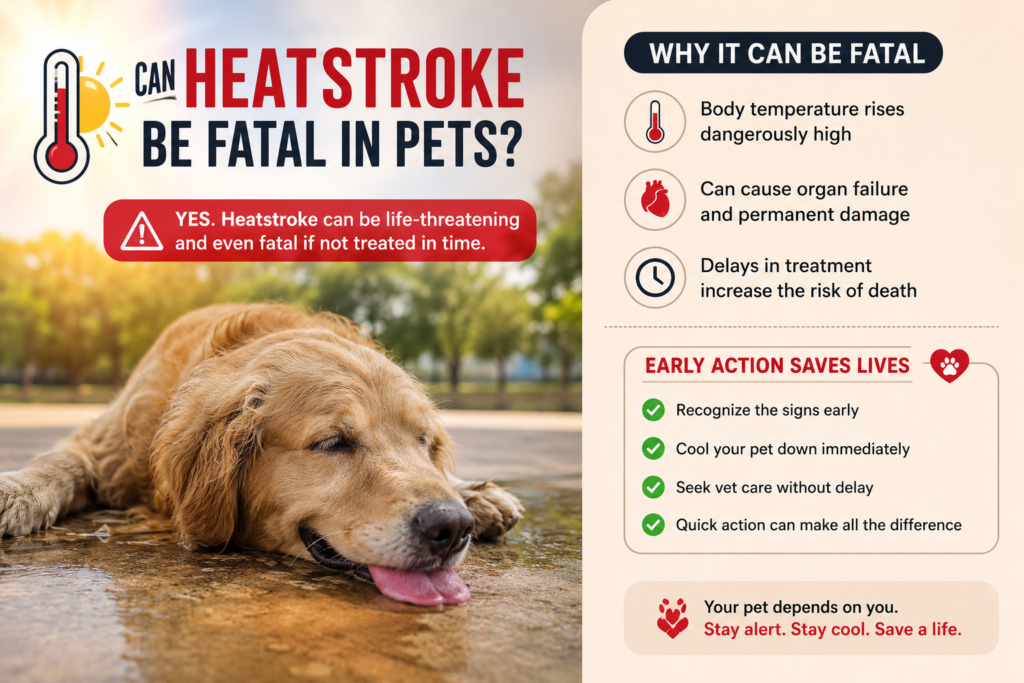
Yes. Severe heatstroke can cause organ failure and may be fatal without immediate treatment.

Are dogs more likely to suffer heatstroke than cats?

Dogs are generally more susceptible, especially brachycephalic breeds such as Pugs and Bulldogs.

Can I use ice water to cool my pet?

No. Ice-cold water may cause shock. Use cool water instead.

What temperature is dangerous for pets?

Temperatures above 30°C (86°F), especially with high humidity, can increase the risk of heatstroke.

Dog Vaccination Schedule in India: Complete Guide for Pet Owners

Vaccinations are one of the most important parts of responsible pet ownership. Following the correct Dog Vaccination Schedule in India helps protect your dog from serious and potentially life-threatening diseases. Whether you have a new puppy or an adult dog, staying up to date with vaccinations is essential for long-term health.

Why Are Dog Vaccinations Important?

Vaccines help build immunity against dangerous diseases such as:

  • Rabies
  • Parvovirus
  • Distemper
  • Hepatitis
  • Leptospirosis

Following a proper Dog Vaccination Schedule in India can reduce the risk of infection and improve your dog’s quality of life.

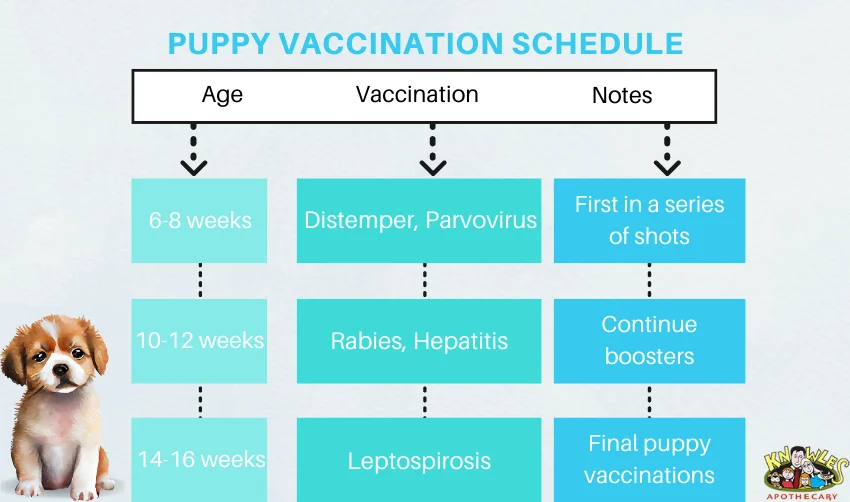
Puppy Vaccination Schedule in India

Puppy vaccination schedule chart for dogs in India

Core Vaccines for Dogs

1. Rabies Vaccine

Rabies is a fatal disease that affects both animals and humans. Every dog should receive a rabies vaccination as recommended by a veterinarian.

2. Distemper Vaccine

Canine distemper affects the respiratory, digestive, and nervous systems. Vaccination is the best protection.

3. Parvovirus Vaccine

Parvovirus is highly contagious and can be fatal, especially in puppies. Early vaccination is critical.

4. Hepatitis Vaccine

This vaccine protects dogs from infectious canine hepatitis, a serious liver disease.

Booster Vaccinations

Adult dogs require booster vaccinations to maintain immunity. Most veterinarians recommend annual health checkups and booster shots based on the dog’s age, lifestyle, and health condition.

Signs Your Dog May Need Veterinary Attention

Contact your veterinarian immediately if your dog shows:

  • Loss of appetite
  • Vomiting
  • Diarrhea
  • Fever
  • Lethargy
  • Difficulty breathing

The Dog Vaccination Schedule in India helps protect dogs from many diseases that can cause these symptoms.Vaccination helps prevent many diseases that cause these symptoms.

Tips for Dog Owners

  • Keep a vaccination record.
  • Never miss booster doses.
  • Follow your veterinarian’s recommendations.
  • Avoid exposing unvaccinated puppies to unknown dogs.
  • Schedule regular health checkups.

Conclusion

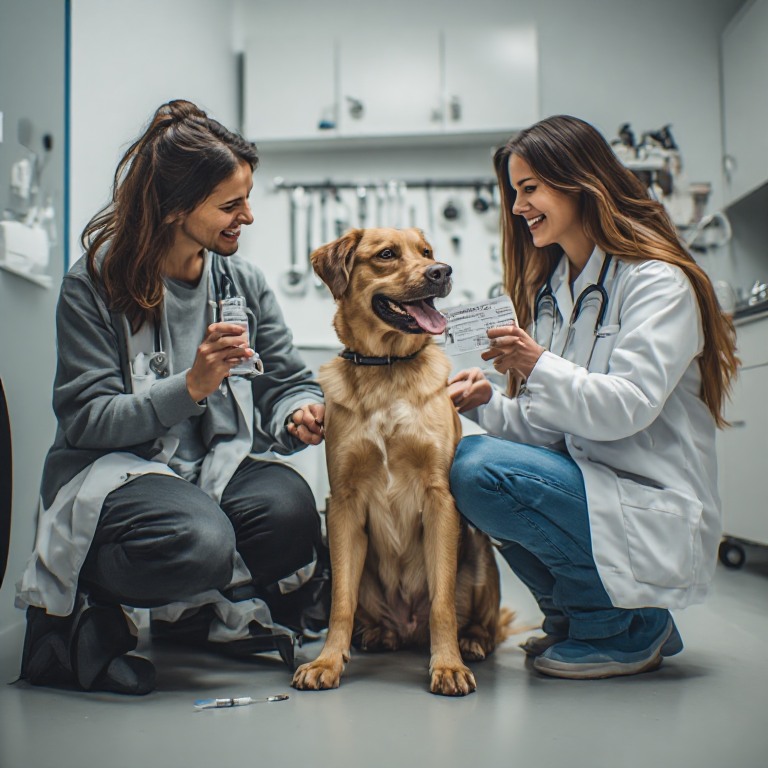
Happy vaccinated dog with owner and veterinarian

Following the correct Dog Vaccination Schedule in India is one of the best ways to protect your pet from serious diseases. Timely vaccinations, regular booster shots, and routine veterinary care can help your dog live a healthy and happy life. Always consult your veterinarian for a vaccination plan tailored to your dog’s specific needs.

Frequently Asked Questions

Q. At what age should puppies receive their first vaccine?

A. Most puppies receive their first vaccination between 6 and 8 weeks of age.

Q. Is the rabies vaccine mandatory in India?

A. Yes, rabies vaccination is strongly recommended and often required by local regulations.

Q. How often do dogs need booster vaccines?

A. Most dogs require annual booster vaccinations, but schedules may vary based on veterinary advice.

Q. Can a puppy go outside before vaccination?

A. It is best to limit exposure to unknown dogs and contaminated environments until vaccinations are completed.

Pet Emergency Kit: Essential Items Every Pet Owner Needs

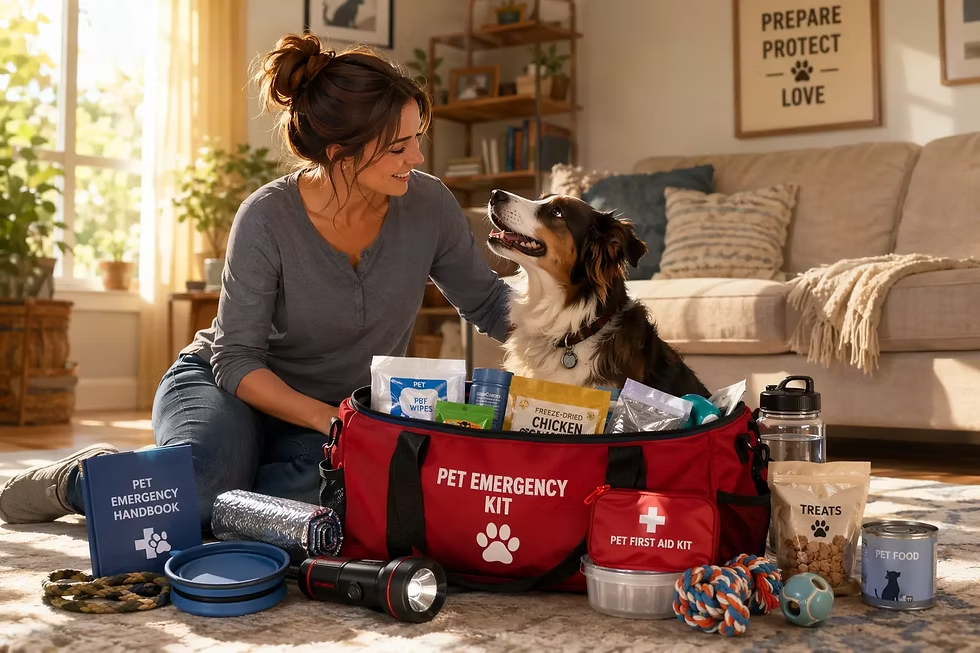
Emergencies can happen at any time, whether it is a natural disaster, accident, power outage, or sudden illness. Having a pet emergency kit ready can help protect your furry friend and ensure they receive proper care when you need it most. A well-prepared pet emergency kit provides peace of mind and helps pet owners respond quickly during unexpected situations.

Why Is a Pet Emergency Kit Important?

Pets depend on their owners for safety and care. During emergencies, access to food, water, medication, and veterinary services may be limited. A properly stocked pet emergency kit can help keep your pet comfortable, healthy, and secure until normal conditions return.

Essential Items for a Pet Emergency Kit

Food and Water Supply

Keep at least a 3 to 7-day supply of pet food and clean drinking water in your emergency kit.

Include:

  • Dry or canned pet food
  • Bottled water
  • Food and water bowls
  • Manual can opener (for canned food)

Pet First Aid Kit

A pet first aid kit is one of the most important parts of any pet emergency kit.

Include:

  • Sterile gauze pads
  • Bandages
  • Adhesive tape
  • Antiseptic wipes
  • Cotton balls
  • Tweezers
  • Disposable gloves
  • Digital thermometer
  • Pet-safe wound cleaner

3. Medications and Medical Records

Store essential medications and copies of medical records in a waterproof container.

  • Vaccination records
  • Medical history
  • Prescription information
  • Veterinarian contact details
  • Emergency clinic phone numbers

4. Identification and Safety Items

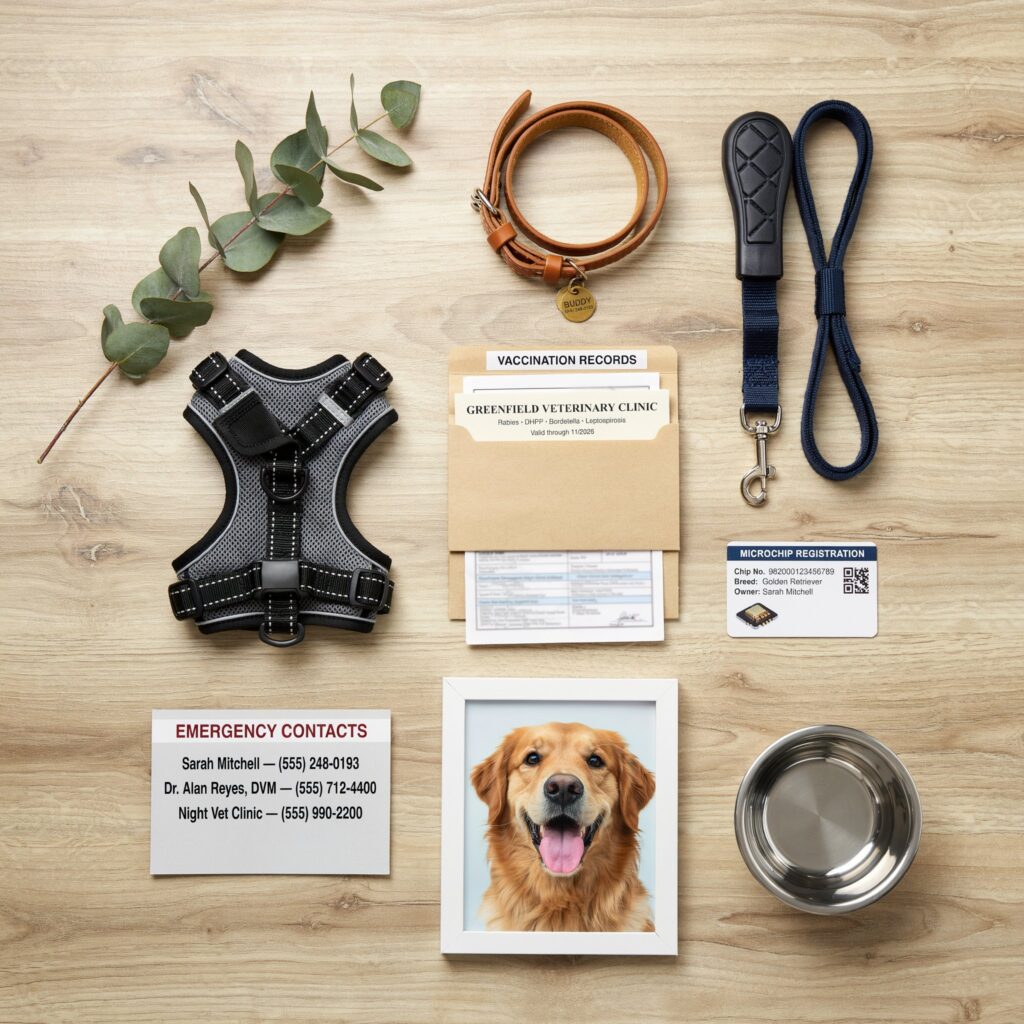
Pet identification tags leash collar and emergency documents as part of a pet emergency kit

Proper identification can help reunite you with your pet if you become separated during an emergency.

  • Include:
  • Collar with ID tag
  • Recent pet photographs
  • Microchip information
  • Extra leash
  • Harness

5. Comfort and Shelter Supplies

Familiar items can reduce stress and anxiety for pets during emergencies.

  • Pack:
  • Blanket
  • Favorite toy
  • Pet bed
  • Towels
  • Waste bags

6. Hygiene Supplies

Maintaining cleanliness is important, especially if you need to stay away from home for several days.

Include:

Cleaning supplies

Waste disposal bags

Litter and litter tray (for cats)

Paper towels

Pet wipes

7. Emergency Contact List

Keep a written list of important contacts.

Include:

  • Regular veterinarian
  • Emergency veterinary hospital
  • Pet boarding facility
  • Family members or trusted friends
  • Local animal shelters

Tips for Maintaining Your Pet Emergency Kit

  • Check supplies every six months.
  • Replace expired food and medications.
  • Update vaccination and medical records regularly.
  • Adjust the kit according to your pet’s age and health needs.
  • Store the kit in an easily accessible location.
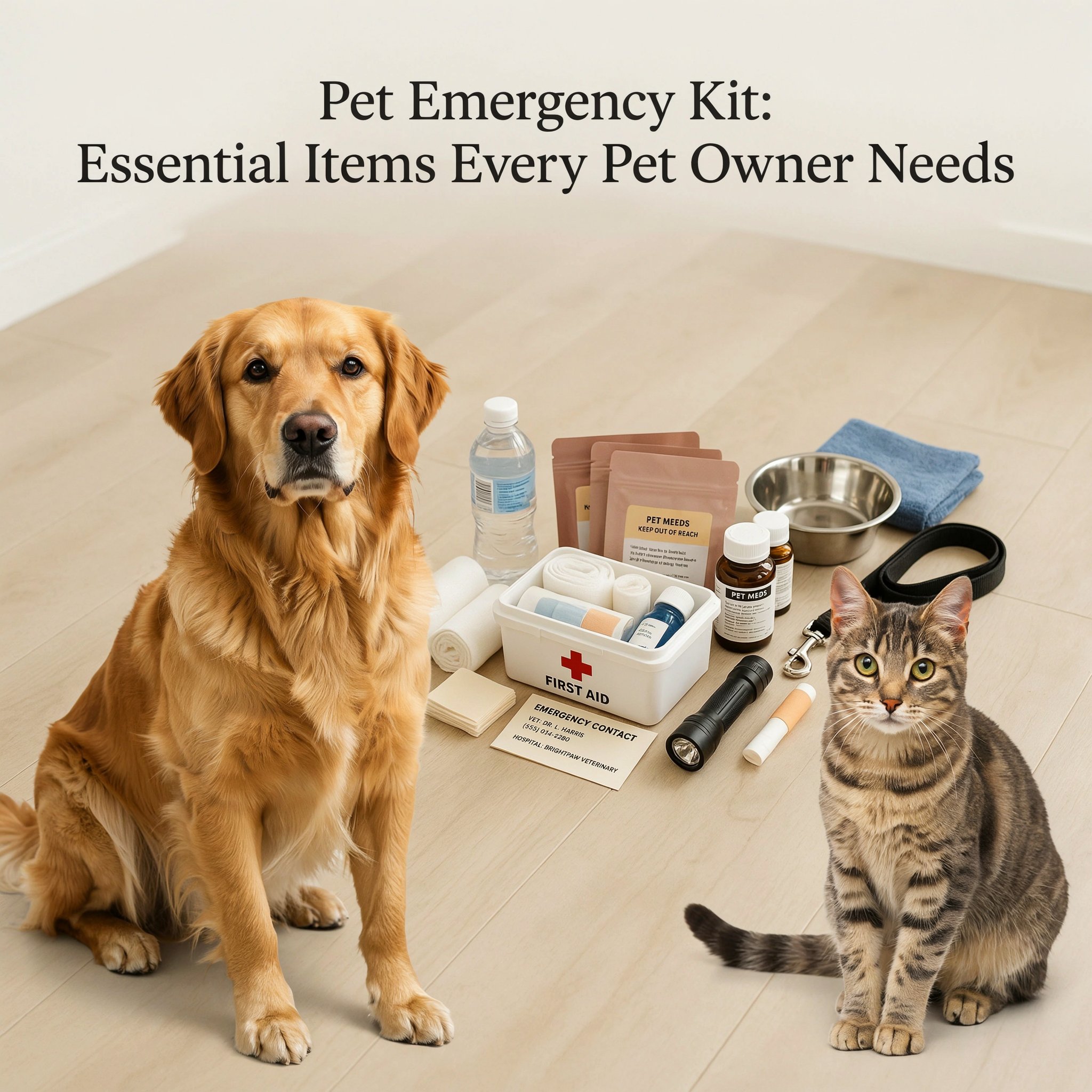
Prepared pet emergency kit helping keep dogs and cats safe during emergencies

Common Mistakes to Avoid

  • Forgetting prescription medications.
  • Not updating contact information.
  • Storing expired food or water.
  • Keeping the kit in a hard-to-reach area.
  • Not including identification documents.

FAQ Schema Content

Q: What should be included in a pet emergency kit?

A: A pet emergency kit should include food, water, medications, first aid supplies, identification documents, medical records, and comfort items.

Q: How long should a pet emergency kit supply last?

A: Experts recommend keeping at least 3 to 7 days of food, water, and essential supplies.

Q: How often should I update my pet emergency kit?

A: Check and update the kit every six months to replace expired items and update records.

Q: Why is a pet emergency kit important?

A: It helps ensure your pet’s safety, health, and comfort during disasters, accidents, or other emergencies.

Q: Can I use a human first aid kit for my pet?

A: Some items can be used, but a dedicated pet first aid kit is recommended because pets may require specific medical supplies and treatments.

10 Signs Your Dog Is Trying to Tell You Something Is Wrong

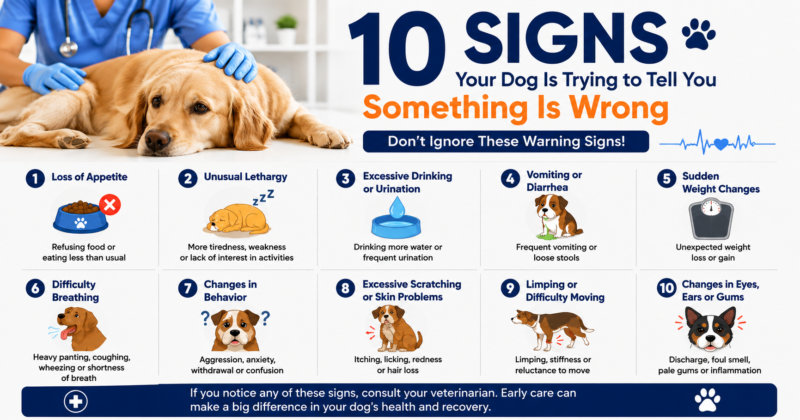
As a pet owner, understanding dog health warning signs can help you identify potential problems before they become serious. Dogs cannot communicate with words, but they often show physical and behavioral changes when they are unwell. Recognizing these signs early and seeking veterinary care can protect your pet’s health and improve recovery outcomes.

Loss of Appetite

One of the most common dog health warning signs is a sudden loss of appetite. If your dog refuses food for more than a day or shows little interest in eating, it may indicate dental problems, digestive issues, infections, or other health conditions.

Unusual Lethargy

A healthy dog is generally alert and active. If your pet becomes unusually tired, sleeps more than usual, or avoids activities they once enjoyed, it could be a sign that something is wrong.

Excessive Drinking or Urination

Drinking significantly more water or urinating frequently may point to conditions such as diabetes, kidney disease, or hormonal imbalances. Monitoring these changes can help detect health issues early.

Vomiting or Diarrhea

Occasional digestive upset is common, but repeated vomiting or persistent diarrhea should never be ignored. These symptoms can lead to dehydration and may be caused by infections, parasites, food intolerance, or more serious illnesses.

Sudden Weight Changes

Unexpected weight loss or weight gain without changes in diet or exercise can indicate underlying medical conditions. Regularly checking your dog’s weight is an important part of preventive care.

Difficulty Breathing

Heavy panting when not exercising, coughing, wheezing, or shortness of breath are serious dog health warning signs that require immediate veterinary attention.

Changes in Behavior

Behavioral changes such as aggression, anxiety, confusion, withdrawal, or excessive clinginess may suggest pain, stress, or neurological problems. Since dogs cannot explain what they are feeling, behavior often provides important clues.

Excessive Scratching or Skin Problems

Constant scratching, licking, redness, hair loss, or irritated skin may result from allergies, parasites, infections, or environmental triggers. Prompt treatment can prevent further discomfort.

Limping or Difficulty Moving

If your dog struggles to stand, limps, avoids jumping, or hesitates to climb stairs, it may be experiencing joint pain, injury, arthritis, or muscle problems.

Changes in Eyes, Ears, or Gums

Cloudy eyes, eye discharge, foul-smelling ears, pale gums, or inflamed tissues can signal infections or other health concerns that should be evaluated by a veterinarian.

Conclusion

Recognizing dog health warning signs is one of the most important responsibilities of a pet owner. Paying attention to changes in appetite, energy levels, behavior, and physical appearance can help you take action before a condition becomes severe. Regular vet check-ups, proper nutrition, exercise, and a caring environment will help keep your dog healthy and happy for years to come.

5 Common Pet Owner Mistakes and How to Avoid Them

Pets are more than just animals—they are family members. Whether you have a dog, cat, bird, or fish, proper care is essential for their health and happiness. However, many pet owners unknowingly make mistakes that can affect their pets’ well-being. Here are five common mistakes pet owners make and how you can avoid them.

Feeding the Wrong Diet

One of the most common mistakes is giving pets an unbalanced or inappropriate diet. Many owners feed table scraps or human food without realizing that some foods can be harmful.

How to Avoid It:

Choose high-quality pet food suitable for your pet’s age and breed. Avoid foods like chocolate, onions, grapes, and excessive salt. Provide fresh water at all times. Consult your veterinarian for dietary recommendations.

Skipping Regular Veterinary Checkups

Many pet owners visit the vet only when their pet becomes sick. Regular checkups help detect health problems before they become serious.

How to Avoid It:

  • Schedule annual or biannual vet visits.
  • Keep vaccinations up to date.
  • Follow parasite prevention programs.
  • Monitor your pet’s weight and overall health.

Not Providing Enough Exercise and Mental Stimulation

Lack of physical activity can lead to obesity, Behavioral issues, and poor health.

How to Avoid It:

  • Walk dogs daily. Provide toys and puzzle feeders.
  • Encourage playtime for cats.
  • Offer enrichment activities for birds and small pets.

Ignoring Training and Socialization

Pets that are not properly trained or socialized may develop anxiety, aggression, or destructive Behaviors.

How to Avoid It:

  • Start training early.
  • Use positive reinforcement techniques.
  • Introduce pets to different environments and people.
  • Be consistent with commands and routines.

Neglecting Grooming and Hygiene

Poor grooming can lead to skin infections, dental issues, and discomfort.

How to Avoid It:

  • Brush your pet regularly.
  • Trim nails when needed. Clean ears and teeth.
  • Bathe pets using appropriate products.

Final Thoughts

Being a responsible pet owner means understanding your pet’s needs and avoiding common mistakes. Proper nutrition, regular veterinary care, exercise, training, and grooming are essential for keeping your pet healthy and happy.

By making small improvements in your pet care routine, you can ensure your furry, feathered, or aquatic companion enjoys a long and fulfilling life.

How to keep birds healthy naturally at home

Birds are lively, intelligent, and full of personality, making them wonderful companions for pet lovers. Their cheerful chirping and vibrant colors can instantly brighten up any home, creating a lively and positive atmosphere. Whether it’s a small parakeet or a talkative parrot, birds bring energy and charm into everyday life.

Birds are highly social animals and enjoy interaction with their owners. They love to play, explore, and even learn simple tricks or mimic sounds. Spending time with your pet bird helps build trust and strengthens your bond, making them feel safe and happy in their environment.

Proper care is essential for a bird’s well-being. This includes a spacious cage, a balanced diet, regular cleaning, and mental stimulation through toys and interaction. Fresh air, sunlight, and routine health check-ups also play an important role in keeping birds healthy and active.

At CareOfPet, we believe birds are more than just pets—they are joyful companions that fill your home with life and music. With the right care and attention, your feathered friend will stay happy, healthy, and full of energy.

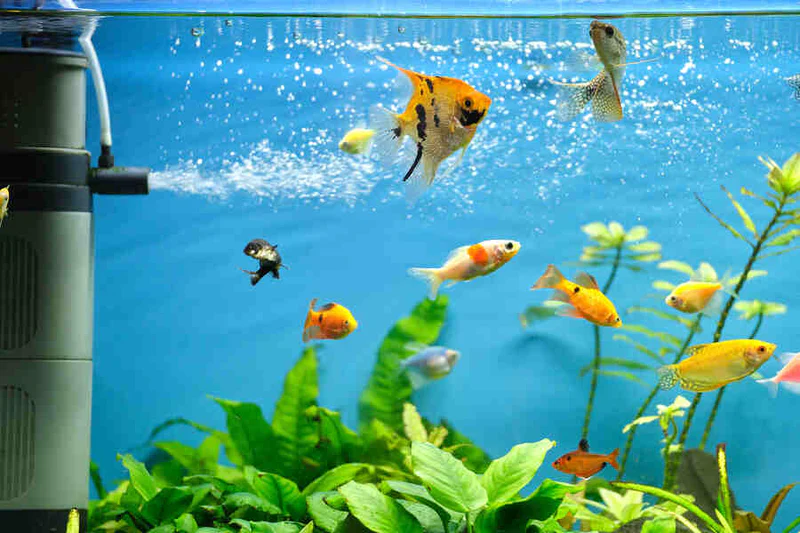
How to keep fish alive in aquarium at home

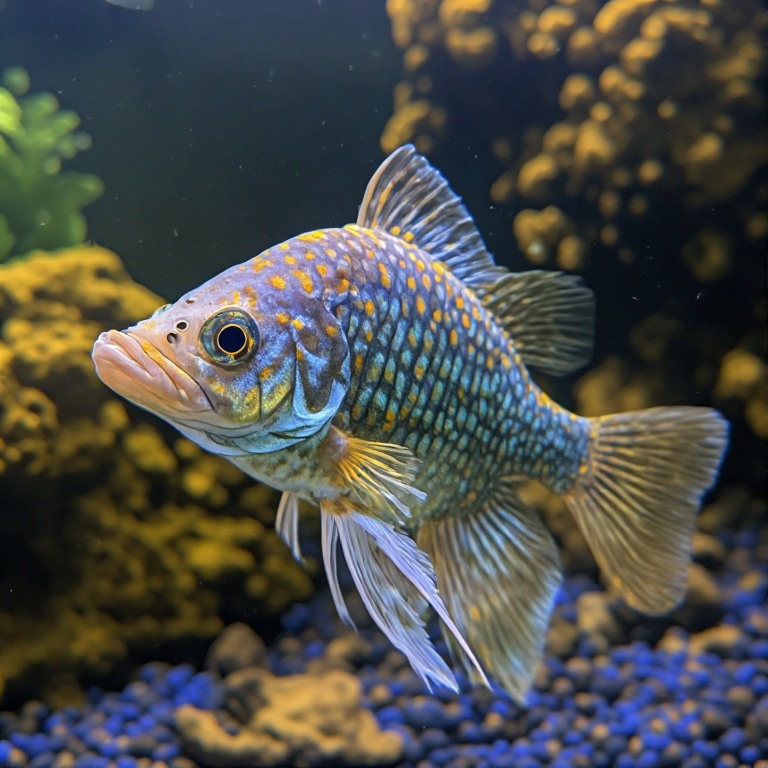
Fish are among the most peaceful and mesmerizing pets you can have. Watching them glide gracefully through the water creates a calming effect that helps reduce stress and brings a sense of tranquility to any space. An aquarium not only adds beauty to your home but also creates a soothing environment for relaxation.

Unlike other pets, fish require a different kind of care, focused on maintaining a clean and balanced aquatic environment. Proper filtration, regular water changes, and the right temperature are essential for keeping fish healthy and active. Choosing compatible species and providing appropriate food also play a key role in their well-being.

Fish may not show affection in the same way as cats or dogs, but they still bring joy through their vibrant colors, gentle movements, and peaceful presence. Taking time to observe and care for them can be a rewarding and therapeutic experience.

At CareOfPet, we believe even the smallest pets deserve proper care and attention. With the right setup and maintenance, your aquarium can become a beautiful, lively world full of life and calmness.